







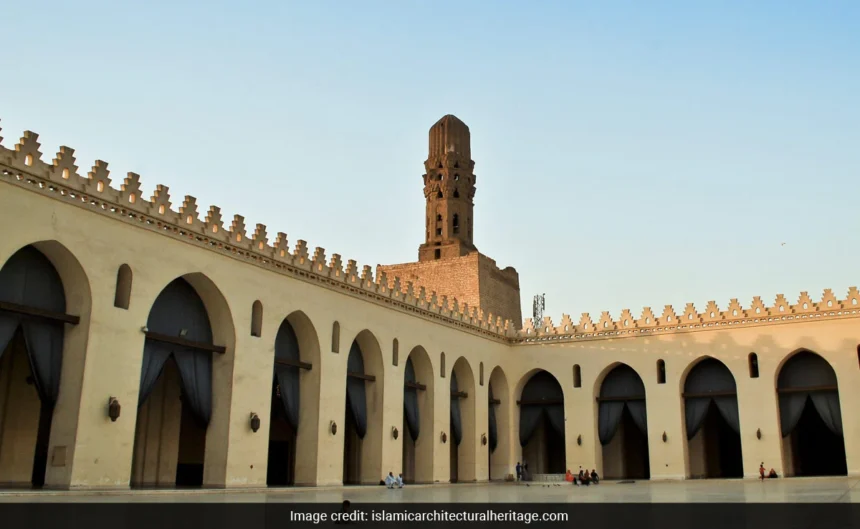
Indian Prime Minister Narendra Modi is embarking on his inaugural state visit to Egypt, where he will have the honor of visiting the historically significant Al-Hakim Mosque in Cairo. The mosque’s restoration, undertaken with the support of India’s Dawoodi Bohra community, holds immense importance for both India and Egypt. This symbol of cultural collaboration and preservation showcases the deep ties between the two nations. Scheduled for Sunday, this visit signifies the shared commitment to heritage conservation and interfaith harmony.
Restoration Efforts and Collaborative Endeavors
The Ministry of Tourism and Antiquities in Egypt has confirmed that the Al-Hakim Mosque has been meticulously restored in collaboration with the Dawoodi Bohra community of India. The completion of this ambitious restoration project, finalized approximately three months ago, highlights the significant role played by the Dawoodi Bohra community in preserving and reviving cultural landmarks. Through their generous contributions and concerted efforts, the mosque has been transformed into a remarkable testament to history.
Historical Significance of Al-Hakim Mosque
The Al-Hakim Mosque, dating back to the 11th century, carries great historical and religious importance. Named after the sixth Fatimid Caliph, Al-Hakim bi-Amr Allah, the mosque has endured the test of time, witnessing the rise and fall of empires and serving as a spiritual center for the Muslim community. With its architectural grandeur and cultural heritage, the mosque stands as a living reminder of the rich legacy of Egypt.
Cultural Diplomacy and India-Egypt Relations
Prime Minister Narendra Modi’s visit to the Al-Hakim Mosque serves as a symbol of the strong cultural ties between India and Egypt. It highlights the value both nations place on cultural diplomacy and the mutual respect for each other’s heritage. By actively participating in the restoration of the mosque, the Dawoodi Bohra community has made a significant contribution to fostering bilateral relations, facilitating people-to-people exchanges, and promoting dialogue between different faiths.
Interfaith Harmony and Cooperation
The restoration of the Al-Hakim Mosque exemplifies the spirit of interfaith harmony and cooperation. The Dawoodi Bohra community’s involvement in this endeavor showcases their commitment to preserving cultural and religious sites worldwide. It serves as a shining example of how communities can work together, transcending religious and cultural boundaries, to protect shared heritage and promote mutual understanding.
Cairo’s Architectural Jewel Restored to Glory
The completion of the Al-Hakim Mosque restoration project is a triumph for Egypt’s Ministry of Tourism and Antiquities, the Dawoodi Bohra community, and all those involved. The mosque now stands as a magnificent testament to the beauty and splendor of Islamic architecture. Its intricate designs, vibrant colors, and intricate calligraphy have been restored to their former glory, captivating visitors with their timeless elegance.
Tourism Boost and Cultural Exchange
The restored Al-Hakim Mosque is expected to become a major attraction for tourists and locals alike. Its renewed splendor will draw visitors from around the world, eager to witness the breathtaking architectural marvel. This influx of tourism will not only contribute to Egypt’s economy but also facilitate cultural exchange between India and Egypt, fostering greater understanding and appreciation of each other’s traditions.
Conclusion
Prime Minister Narendra Modi’s visit to the restored Al-Hakim Mosque in Egypt marks a significant milestone in India-Egypt relations. It showcases the joint efforts of the Dawoodi Bohra community and the Egyptian government in preserving and restoring cultural heritage. This collaboration highlights the shared commitment to interfaith harmony, cultural diplomacy, and the mutual appreciation of diverse traditions. The restored mosque stands as a testament to the enduring legacy of Egypt.

