





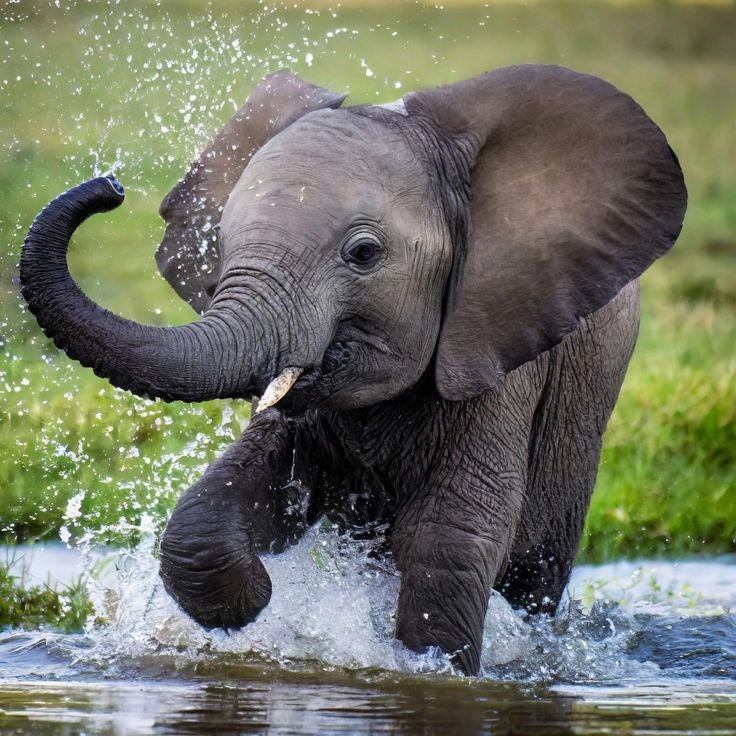
After weeks of medical care, elephant Maniki Assam has finally returned to her forest home. Her recovery marks a significant moment for wildlife conservation in Northeast India. Forest officials and veterinarians have issued strict care protocols to ensure her continued healing.
This inspiring story reflects the growing commitment to protect endangered species and reduce human-wildlife conflict in Assam.
Maniki’s Rescue and Recovery Journey
Locals in Sonitpur district first spotted Maniki limping near a tea estate. She had sustained serious injuries, likely from a territorial clash or accidental contact with human settlements. The Assam Forest Department quickly responded, transporting her to a nearby care facility.
Veterinarians treated her wounds using antibiotics and hydration therapy. They monitored her progress daily, adjusting treatment as needed. Thanks to their efforts, Maniki regained strength and mobility.
Care Protocols for Elephant Maniki Assam
Now that Maniki is back in the wild, forest officials have outlined a detailed care plan. These steps aim to prevent complications and support her reintegration into her herd.
🐾 Key Recovery Measures
- Daily Tracking: Forest guards and trained volunteers will monitor her movements.
- Limited Human Contact: Villagers must avoid approaching her to reduce stress.
- Supplemental Feeding: Nutrient-rich food will be placed near her habitat.
- Monthly Health Checks: Vets will assess her condition regularly.
These proactive measures reflect Assam’s evolving approach to wildlife rehabilitation.
Community Role in Maniki’s Recovery
Maniki’s healing depends not only on medical care but also on community involvement. Local residents have received training to identify signs of distress and report them promptly. This initiative builds on Assam’s successful community-led conservation efforts.
Awareness and Education
- Villages near Maniki’s habitat now host workshops on elephant behavior.
- Schools distribute educational materials to foster empathy among children.
To learn more about similar programs, read our article on Kaziranga’s Rhino Conservation.
Why Elephant Maniki Assam Matters
Maniki’s story highlights the urgent need to protect elephants in Northeast India. As forests shrink and human settlements expand, elephants face increasing threats.
Conservation Challenges
- Assam hosts over 5,000 wild elephants, many of whom roam near villages.
- Human-elephant conflict has surged, causing injuries and fatalities.
- Conservationists urge better forest corridors and eco-sensitive zoning.
For broader insights, visit WWF India’s elephant conservation page.
Take Action for Assam’s Elephants
Maniki’s recovery is a reminder that every elephant deserves protection. Whether you live in Assam or abroad, you can support conservation efforts.
How You Can Help
- Donate to wildlife rescue organizations.
- Volunteer for forest patrols and awareness drives.
- Share this story to raise awareness.
- Report injured wildlife to local authorities.
Together, we can ensure elephants like Maniki thrive in their natural habitat.
READ MORE: Fantastic Four India Response: Box Office and Reviews