

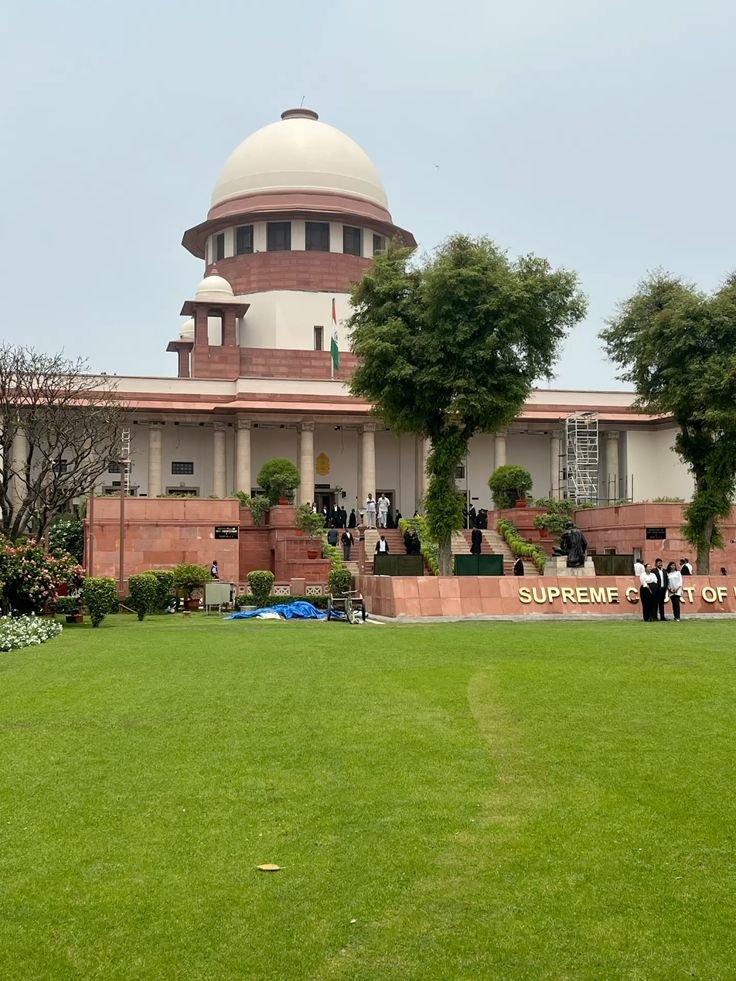
In a critical development for press freedom in India, the Supreme Court on August 27 granted four weeks’ interim protection from arrest to journalist Abhisar Sharma in connection with a First Information Report (FIR) filed against him by the Assam Police. The FIR relates to a controversial social media post made by Sharma, triggering a legal storm and national debate around media rights and free speech.
SC Grants Interim Relief in Assam FIR Against Abhisar Sharma
The Supreme Court bench, led by Justice Sanjiv Khanna, heard Sharma’s plea for relief after the Assam Police registered a case against him under multiple sections, including those related to public mischief and promoting enmity.
In its order, the Court said:
“We are of the opinion that the petitioner shall be protected from arrest for four weeks to enable him to approach the jurisdictional court for appropriate relief.”
This Abhisar Sharma protection gives the journalist enough time to seek anticipatory bail.
Why the FIR Was Filed by Assam Police
The Assam Police filed the FIR following a post by Abhisar Sharma that allegedly linked Assam’s law enforcement to custodial deaths and human rights violations. According to Assam Police, the post was misleading and had the potential to incite disharmony.
Sharma, a senior journalist known for his critical takes on government policies, countered that his post was rooted in verified reports and fell well within the bounds of journalistic commentary.
Key Legal Issues Raised
This case has raised important legal and constitutional questions, especially concerning:
- Freedom of the Press under Article 19(1)(a)
- Reasonable restrictions under Article 19(2)
- The use of criminal law to curb dissent
Civil liberties organizations like the Press Club of India and Editors Guild of India have expressed support for Sharma and concern over the misuse of law to target independent journalism.
Abhisar Sharma’s Response
After the hearing, Abhisar Sharma welcomed the decision but stated that this is not just a personal battle:
“This is a fight for the right of every journalist to report without fear. I will not be silenced.”
Sharma also called on fellow journalists and citizens to remain vigilant about growing attempts to use state machinery to intimidate the press.
Recent Trend of FIRs Against Journalists
This is not an isolated incident. In recent months, several journalists across India have faced FIRs and arrests over social media posts or investigative reports. This has triggered a wave of concern across national and international media circles.
What Happens Next?
The four-week protection granted by the Supreme Court gives Sharma time to seek anticipatory bail from an appropriate court in Assam. Meanwhile, legal experts believe this case could set a precedent for how courts view freedom of expression in digital journalism.
The Supreme Court has not yet stayed the FIR, which means the case can proceed, but without immediate threat of arrest.
Broader Impact on Media Freedom
This decision comes at a time when press freedom in India is facing increasing scrutiny. India ranked 159th out of 180 countries in the 2024 World Press Freedom Index by Reporters Without Borders, signaling a need for judicial balance.
Legal scholars believe the Abhisar Sharma Supreme Court protection order underscores the judiciary’s role in protecting individual rights amid growing state power.
What You Can Do
Support free press: Share this article to raise awareness about the importance of media freedom.
Speak up: If you’re concerned about threats to free speech, write to local representatives or support press advocacy groups.
Stay informed: Follow verified sources and support independent journalism to keep democracy strong.
READ MORE: Ban on Septic Waste Discharge in Kohima Rivers; Powerful Step
The Abhisar Sharma Supreme Court protection is more than legal relief for one journalist. It’s a clear signal that the judiciary recognizes the importance of preserving journalistic freedom in the face of growing pressure. As citizens, it’s our duty to stay informed, defend civil liberties, and ensure that truth-telling is never criminalized.