





Introduction
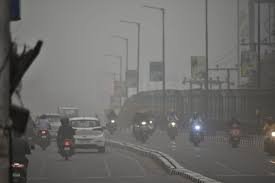
The Guwahati AQI worse than Delhi concern has drawn attention after environmental experts warned that air quality in the Assam capital can occasionally surpass pollution levels recorded in Delhi. The warning came during an environmental awareness meeting in Guwahati, where specialists highlighted the growing threat of air pollution in the region. Notably, experts emphasised that increasing urbanisation, traffic congestion, and construction activities are contributing to deteriorating air quality.
Read more: Left Front Fields 70% Fresh Faces in Tripura ADC Polls
Experts Raise Pollution Concerns
Environmental experts stated that the Air Quality Index (AQI) in Guwahati has occasionally reached levels comparable to or worse than those recorded in Delhi, which is often considered one of the most polluted cities in India.
Moreover, specialists explained that seasonal factors and local environmental conditions can cause sudden spikes in pollution levels. Consequently, residents may experience unhealthy air quality during certain periods of the year.
Causes Behind Rising AQI Levels
Experts highlighted several factors contributing to the rising pollution levels in Guwahati. For instance, rapid urban growth has increased the number of vehicles on the roads.
In addition, construction activities and dust from unpaved roads add to particulate pollution. Furthermore, waste burning and industrial emissions can also affect air quality in the city.
Need for Stronger Environmental Measures
Environmental specialists stressed the need for stronger policies and public awareness to address the issue. Therefore, they suggested measures such as improving public transport, regulating construction dust, and promoting green spaces.
Meanwhile, experts also encouraged citizens to adopt environmentally friendly practices to reduce pollution levels.
Read more: Arunachal Minister Links Rising Human–Animal Conflict to Development
Looking Ahead
The warning about the Guwahati AQI worse than Delhi highlights the urgent need for action to protect public health and the environment. Ultimately, coordinated efforts by authorities, experts, and residents will be essential to improve air quality in the city.