





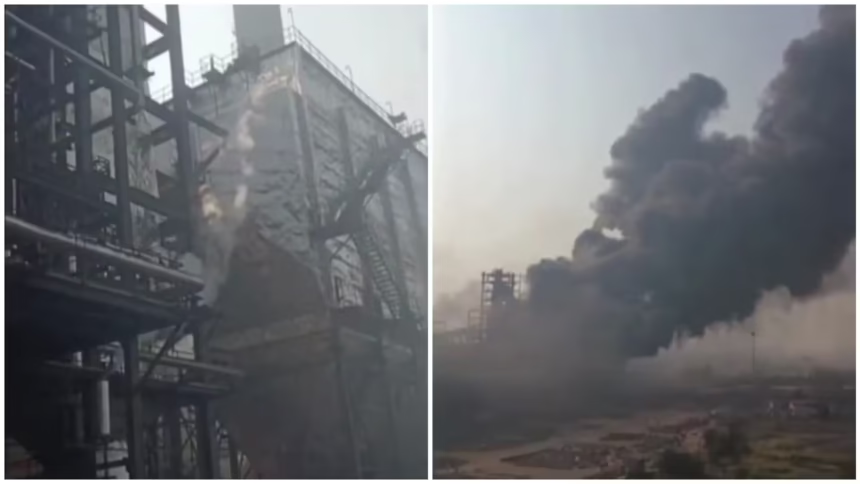
The Goalpara Industrial Damage Storm caused severe destruction at a steel factory in Assam, where powerful winds damaged machinery and disrupted operations. The incident highlights the vulnerability of industrial infrastructure to extreme weather events and raises concerns about preparedness and recovery.
Assam Deportation: Districts Told to Identify and Expel Illegal Immigrants
Powerful Storm Strikes Goalpara
A sudden and intense storm swept through Goalpara, Assam, leaving a trail of destruction in its wake. The strong winds and harsh weather conditions directly impacted a local steel factory. As a result, the Goalpara Industrial Damage Storm caused extensive damage within a short period.
Workers and nearby residents witnessed the force of the storm as it tore through structures and equipment. Fortunately, initial reports have focused on property damage, while authorities continue to assess the situation.
Extent of Damage to the Steel Factory
The storm severely affected the factory’s infrastructure and machinery. Heavy equipment suffered damage, which may take considerable time and resources to repair. Moreover, sections of the facility experienced structural impact, which has disrupted normal operations.
This level of destruction highlights the need for stronger safety measures in industrial zones. Additionally, the financial impact on the factory could be significant due to repair costs and halted production.
Immediate Response and Safety Measures
Authorities and factory management responded quickly after the incident. Teams secured the affected area and began evaluating the damage. As a result, officials aimed to prevent further risks and ensure worker safety.
Emergency protocols played a crucial role in managing the situation. Furthermore, coordination between local authorities and the factory helped streamline initial recovery efforts.
Impact on Workers and Operations
The disruption has affected workers who depend on the factory for employment. Many operations have temporarily stopped, which has created uncertainty for employees. Therefore, the Goalpara Industrial Damage Storm has both economic and social implications.
Management is likely to focus on restoring operations as soon as possible. In the meantime, support measures for workers may become necessary to address immediate concerns.
Economic Implications for the Region
Industrial damage of this scale can affect the local economy. The steel factory contributes to employment and production in the region. Consequently, any prolonged shutdown can impact supply chains and business activities.
Additionally, repair and reconstruction efforts will require investment. While this may create some opportunities, it also places financial pressure on the company and related sectors.
Importance of Disaster Preparedness
This incident underscores the importance of disaster preparedness in industrial areas. Factories must implement strong safety protocols to handle extreme weather conditions. Moreover, regular risk assessments can help minimize potential damage.
The Goalpara Industrial Damage Storm serves as a reminder that proactive planning is essential. By strengthening infrastructure and emergency systems, industries can reduce vulnerability to such events.
Recovery and Future Measures
Recovery efforts will focus on repairing damaged equipment and restoring production. Authorities and management must work together to ensure a smooth and safe process. Additionally, future planning may include upgrading infrastructure to withstand severe weather.
Long-term measures can help prevent similar incidents. Investing in resilient systems and training can improve overall preparedness.
FAQs
What caused the damage to the steel factory?
A powerful storm with strong winds caused significant damage to machinery and structures.
Where did the incident occur?
The incident took place in Goalpara, Assam.
Was anyone injured in the storm?
Reports have mainly highlighted property damage, while authorities continue to assess the situation.
How has the factory been affected?
The factory has suffered machinery damage and operational disruptions.
What steps can prevent such damage in the future?
Improved infrastructure, disaster preparedness, and safety protocols can help reduce risks.