


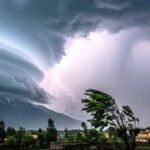



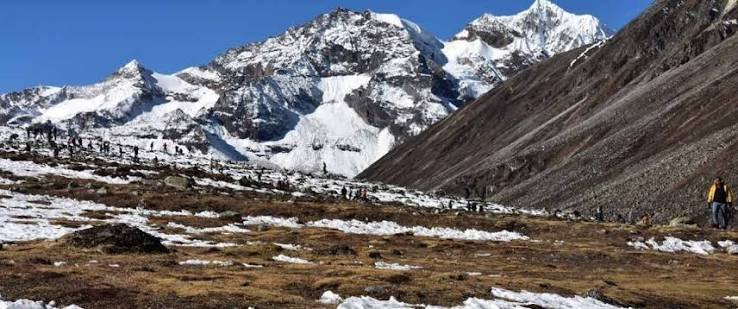
The North Sikkim Zero Point snowfall has transformed the high-altitude landscape into an early winter scene. The season’s first snowfall was reported at Zero Point and other higher reaches of North Sikkim on September 24, 2026, amid heavy rain across the state. The early spell covered parts of the region with fresh snow and brought a sharp change in mountain conditions.
The snowfall arrived while several parts of Sikkim were experiencing unsettled weather and landslides. Moreover, heavy snow accumulated along some high-altitude routes, creating additional challenges for road connectivity. The development has also renewed attention on North Sikkim’s winter tourism and weather preparedness.
Malem Thongam’s Kashmir-to-Mizoram Peace Ride Gains Local Support
North Sikkim Zero Point Snowfall Marks Early Seasonal Change
The North Sikkim Zero Point snowfall was reported on September 24, when the state was still experiencing the transition from the southwest monsoon towards the post-monsoon period. Snowfall occurred at Zero Point in North Sikkim as well as around Tsomgo Lake in East Sikkim.
Zero Point, located beyond Yumthang Valley near Lachung, sits at a high elevation where temperatures can fall rapidly. The area regularly receives snow during colder months, but the September spell arrived relatively early in the season.
Reports from North Sikkim also indicated snowfall around Kala Patthar and other high-altitude locations. The combination of snow and rain created a distinctly wintry appearance across the upper mountain landscape.
The snowfall also followed several days of unsettled weather. Heavy rain triggered landslides in different parts of Sikkim, including areas of West Sikkim and along important roads. Consequently, the early snow added another weather-related challenge for authorities and road users.
Sikkim’s official tourism information notes that the state experiences major variations in climate because of its dramatic changes in altitude. The northern highlands can experience cold, snow-bound conditions, while lower areas remain considerably milder.
North Sikkim Zero Point Snowfall Covers High Mountain Routes
The North Sikkim Zero Point snowfall did not remain limited to one tourist location. Snow was also reported in the wider high-altitude belt, including the Dongkya La area. By September 27, reports indicated that around four feet of snow had accumulated near the Jedong Army Camp in the Dongkya La region.
Such accumulation can quickly affect movement through high mountain passes. Roads in North Sikkim pass through steep terrain and remain vulnerable to snow, landslides and sudden weather changes.
Earlier in September, heavy rain had already caused disruption in parts of the region. Around 60 tourists became stranded in Lachen after continuous severe weather affected connectivity. Authorities later evacuated them through a coordinated operation involving security personnel, administration, disaster-management teams and local residents.
An alternative route through Lachung and Zero Point was also examined during the evacuation effort. However, authorities found that this route faced substantial obstruction from accumulated snow before Dongkya La.
Meanwhile, the Border Roads Organisation remains important for maintaining connectivity in Sikkim’s high-altitude areas. Snow-clearance operations become particularly significant when fresh accumulation blocks roads or makes driving conditions difficult.
The combination of early snowfall and heavy rainfall therefore presents a complex challenge. While snow creates a winter landscape that attracts visitors, it can simultaneously restrict movement and increase operational demands for road agencies.
North Sikkim Zero Point Snowfall Boosts Winter Landscape Appeal
The North Sikkim Zero Point snowfall has also changed the visual character of one of Sikkim’s best-known high-altitude destinations. Fresh snow creates the white landscape that attracts visitors to North Sikkim during the colder months.
Zero Point and Yumthang Valley are among the destinations promoted by the Sikkim Tourism Department. The government describes the northern part of the state as a snow-bound high-altitude environment, with snowfall forming an important part of its seasonal tourism appeal.
Snowfall can support tourism-related activity in areas such as Lachung, particularly when roads remain accessible. Hotels, local transport operators and other tourism-linked businesses often benefit from increased interest in snow-covered landscapes.
However, early snowfall does not automatically mean that every high-altitude destination will remain accessible. Mountain weather can change rapidly, and authorities can restrict movement when road conditions become unsafe.
The experience of Lachen in late September demonstrates this challenge. Heavy rainfall, snowfall and landslides disrupted connectivity, leaving tourists stranded before an evacuation operation restored their movement.
Therefore, the snowfall brings both opportunity and caution for North Sikkim’s tourism sector. The region can attract visitors seeking an early winter experience, but changing road and weather conditions remain important considerations.
The state government has previously reopened North Sikkim tourism destinations after disruptions caused by natural calamities. In September 2025, authorities announced the reopening of Lachung, Yumthang Valley and Zero Point after infrastructure and connectivity work.
North Sikkim Zero Point Snowfall Signals Difficult Mountain Weather
The North Sikkim Zero Point snowfall occurred alongside a broader period of unsettled weather in Sikkim. Heavy rain triggered multiple landslides, while snow affected the higher reaches. This combination demonstrates how rapidly conditions can shift across the Himalayan state.
Sikkim’s geography plays a major role in these variations. The state’s elevation ranges from relatively low valleys to extremely high mountain areas. As a result, rainfall in one location can coincide with snowfall only a short distance away at higher elevations.
The timing is also notable because September normally falls near the end of the southwest monsoon season. Sikkim’s official tourism information identifies June to September as the southwest monsoon period and October to November as the retreating-monsoon period.
Consequently, the September snowfall represents a visible shift towards colder high-altitude conditions even while lower areas can continue to experience rain. Such contrasts are common in mountainous terrain, where altitude strongly influences temperature and precipitation.
The latest weather episode also highlights the importance of maintaining mountain roads. Snow clearance, landslide response and route monitoring become increasingly important as winter approaches.
Reports of fresh snow at Zero Point and heavier accumulation farther north indicate that winter conditions can establish themselves quickly at high elevations. Therefore, authorities and local communities need to remain prepared for further changes in weather and road conditions.
At the same time, the snowfall has created a striking transformation across the upper reaches of North Sikkim. Areas that were recently affected by rain have quickly taken on a colder, snow-covered appearance.
North Sikkim Zero Point Snowfall Changes Travel Conditions
The North Sikkim Zero Point snowfall is likely to influence travel conditions in the high-altitude region as temperatures fall further. Roads beyond Yumthang and towards Zero Point can become increasingly dependent on weather and snow conditions.
Current travel information indicates that mountain roads in North Sikkim can close or face restrictions within a short period after heavy rain or snow. Zero Point remains particularly dependent on weather conditions because of its high elevation.
This makes real-time administrative decisions important for visitors and transport operators. Even when a route remains technically open, fresh snowfall or landslides can change conditions quickly.
The snowfall also reinforces the need for careful management of tourism in environmentally sensitive mountain areas. Sikkim Tourism encourages responsible travel and protection of the state’s fragile ecosystems.
Moreover, the region’s roads serve communities as well as tourists. Connectivity to remote settlements, movement of supplies and access for emergency services can all become more difficult when heavy snow or landslides affect high-altitude routes.
For that reason, the early snowfall should not be viewed only as a tourism spectacle. It is also a seasonal weather development with implications for transportation, local livelihoods and disaster preparedness.
Conclusion
The North Sikkim Zero Point snowfall has transformed the region into an early winter landscape, with the season’s first significant snow reported at Zero Point and other high-altitude areas from September 24. The snowfall arrived alongside heavy rain and landslides, creating both scenic appeal and connectivity challenges.
The latest spell also shows how quickly weather conditions can change across Sikkim’s mountainous terrain. While fresh snow could encourage winter tourism, authorities must continue monitoring roads, landslides and high-altitude conditions as the state moves deeper into the colder season.
FAQs
When was the North Sikkim Zero Point snowfall reported?
The North Sikkim Zero Point snowfall was reported on September 24, 2026, when the season’s first snowfall occurred in the high-altitude areas of North Sikkim.
Which other areas received snowfall?
Snowfall was also reported around Kala Patthar, Muguthang and other higher reaches of North Sikkim. The Tsomgo Lake area in East Sikkim also received snowfall during the same weather spell.
Did the snowfall affect roads in North Sikkim?
Yes. Snow and landslides affected connectivity in parts of North Sikkim. In late September, an alternative route through Lachung and Zero Point was found obstructed by significant snow accumulation near Dongkya La.
Is Zero Point a regular snowfall destination?
Yes. Zero Point is one of Sikkim’s recognised high-altitude locations for snowfall. The Sikkim Tourism Department lists Zero Point among destinations where visitors can experience snow during the colder months.
Will snowfall continue in North Sikkim?
Snowfall can continue or return at high elevations as temperatures fall, but the timing and intensity depend on evolving weather conditions. Therefore, travel and road conditions can change quickly in the northern mountain areas.