





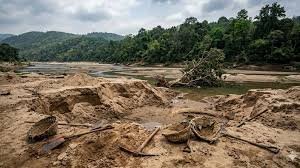
Meghalaya Environmental Ban Sand marks a decisive step as the East Khasi Hills administration halted sand extraction in several areas due to rising environmental concerns. The move aims to protect natural ecosystems, prevent degradation, and ensure sustainable resource management in the region.
Meghalaya Environmental Ban Sand Enforced in East Khasi Hills
Meghalaya Environmental Ban Sand has come into effect as authorities in East Khasi Hills imposed restrictions on sand extraction. Officials introduced the ban to address increasing environmental damage caused by unregulated activities. Moreover, the administration acted promptly after assessing the impact on local ecosystems. As a result, the decision reflects a strong commitment to environmental protection.
Reasons Behind the Sand Extraction Ban
The Meghalaya Environmental Ban Sand decision stems from growing concerns about ecological imbalance. Excessive sand extraction can damage riverbeds, reduce water quality, and disturb natural habitats. Additionally, such activities can increase the risk of soil erosion and flooding. Therefore, authorities implemented the ban to prevent further environmental degradation.
Impact on Local Ecosystems
Meghalaya Environmental Ban Sand is expected to benefit local ecosystems significantly. Rivers and surrounding areas will have an opportunity to recover from continuous extraction. Furthermore, preserving natural resources helps maintain biodiversity and ecological balance. Consequently, the ban supports long-term environmental sustainability.
Administrative Measures and Enforcement
Authorities have strengthened enforcement under the Meghalaya Environmental Ban Sand initiative. Officials are monitoring restricted areas and taking action against violations. In addition, local agencies are coordinating to ensure compliance with regulations. Therefore, strict implementation remains a priority for the administration.
Effect on Local Economy
The Environmental Ban Sand may impact individuals involved in sand extraction activities. However, authorities aim to balance economic concerns with environmental protection. Moreover, alternative livelihood options may be explored to support affected communities. As a result, sustainable development remains the long-term goal.
Importance of Sustainable Resource Management
Environmental Ban Sand highlights the importance of managing natural resources responsibly. Overexploitation can lead to long-term damage that affects both the environment and human life. Additionally, sustainable practices ensure that resources remain available for future generations. Therefore, the ban promotes responsible usage.
Role of Community Awareness
Community awareness plays a key role in the success of the Meghalaya Environmental Ban Sand initiative. Residents must understand the importance of protecting natural resources. Furthermore, public cooperation can help authorities enforce the ban effectively. Consequently, awareness campaigns may strengthen compliance.
Challenges in Implementing the Ban
Implementing the Environmental Ban Sand may present challenges such as monitoring remote areas and preventing illegal activities. However, authorities are working to address these issues through surveillance and strict penalties. Moreover, collaboration with local communities can improve enforcement. Therefore, continuous effort remains essential.
Flight Chaos in Itanagar Shocking Delay Leaves Passengers Frustrated
Future Environmental Outlook
The Environmental Ban Sand decision sets a positive example for environmental conservation. Authorities may introduce additional measures to protect ecosystems and regulate resource use. Furthermore, long-term planning can ensure sustainable development in the region. As a result, the initiative supports a healthier environment.
FAQs
1. What is the Meghalaya Environmental Ban Sand about?
It is a restriction on sand extraction in East Khasi Hills due to environmental concerns.
2. Why did authorities impose the ban?
They imposed it to prevent ecological damage, erosion, and habitat disruption.
3. Which areas are affected by the ban?
Several areas in East Khasi Hills district are under the restriction.
4. How will this ban help the environment?
It will protect river ecosystems, improve water quality, and preserve biodiversity.
5. Will the ban affect local livelihoods?
Yes, but authorities may explore alternative solutions for affected communities.