





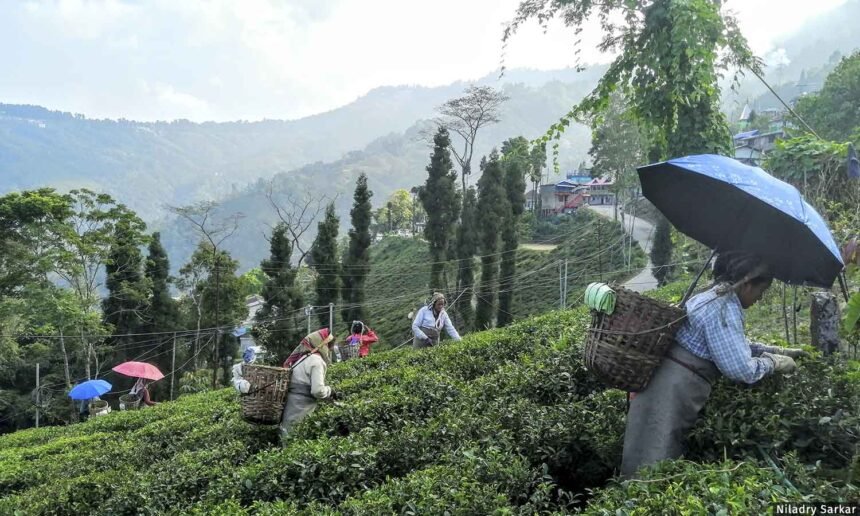
Darjeeling tea AI technology initiatives gained major attention after leading tea estates in Darjeeling introduced advanced artificial intelligence systems to address climate-related agricultural challenges. The modernization effort aims to improve crop monitoring, weather forecasting, and plantation management as changing climate conditions increasingly affect tea production across the Himalayan region. Meanwhile, industry officials stated that the technology shift could help protect one of India’s most internationally recognized agricultural industries.
Assam Pro-tem Speaker Swearing Ceremony Held
Assam Investment Proposals Enter Advanced Stages
Tea Estates Introduce Smart Monitoring Systems
Authorities confirmed that several tea plantations in Darjeeling have started using AI-powered monitoring tools to analyze soil conditions, rainfall patterns, and crop health data. Additionally, estate managers explained that digital systems now assist workers in identifying early signs of plant stress and disease outbreaks.
The new technology reportedly combines satellite imaging, sensor networks, and predictive weather analytics to support plantation management decisions. Consequently, tea producers may respond more quickly to climate disruptions affecting harvest quality and productivity. Earlier, unpredictable rainfall and temperature fluctuations caused significant operational challenges for multiple estates in the region.
Officials from the Tea Board of India stated that climate adaptation strategies have become increasingly important for long-term sustainability in the tea sector. Furthermore, industry representatives indicated that AI-based agricultural systems may improve production efficiency while protecting premium tea quality standards.
Climate Change Continues Affecting Tea Production
Senior plantation officials and agricultural experts attended technology demonstration programs linked to the modernization initiative in Darjeeling. Meanwhile, researchers highlighted rising concerns regarding irregular rainfall, soil erosion, and temperature instability across tea-growing areas.
Authorities explained that climate variability has affected crop cycles, leaf quality, and annual production volumes in recent years. Specifically, changing weather conditions may reduce the consistency of high-quality tea harvests traditionally associated with Darjeeling plantations. In addition, environmental analysts believe mountain agriculture sectors remain particularly vulnerable to long-term climate shifts.
Several tea estate operators welcomed the introduction of digital monitoring systems because traditional forecasting methods often proved unreliable during sudden climate events. However, smaller plantation owners expressed concerns regarding technology costs and operational training requirements. Despite this, officials stated that technical support programs remain available for participating estates.
Artificial Intelligence Helps Predict Weather Risks
The Darjeeling tea AI technology project includes predictive analytics systems capable of forecasting rainfall intensity, frost conditions, and heat stress risks affecting tea crops. Additionally, authorities confirmed that real-time climate data now supports faster operational planning during harvesting and irrigation periods.
Agricultural experts explained that AI systems analyze large volumes of environmental information to generate plantation-specific recommendations. As a result, tea producers may improve water management and reduce crop losses linked to adverse weather conditions. Furthermore, estate managers introduced automated alerts warning workers about potential pest outbreaks and extreme climate events.
Technology specialists noted that artificial intelligence applications are increasingly transforming precision agriculture worldwide. Therefore, Darjeeling’s tea sector may become an important case study for climate-resilient farming practices in mountain ecosystems.
Meanwhile, plantation workers reportedly received training involving digital tools and climate adaptation methods connected to the AI systems. Authorities also stated that future upgrades may include drone-assisted plantation monitoring technologies.
Sustainable Farming Practices Receive Support
Officials indicated that AI-based systems also help estates reduce excessive water usage and improve soil conservation strategies. Additionally, environmental experts emphasized the importance of sustainable agricultural practices for protecting fragile Himalayan ecosystems.
The Darjeeling tea AI technology initiative reportedly encourages more efficient fertilizer application and biodiversity monitoring across plantation zones. Consequently, tea producers may reduce environmental pressure while maintaining agricultural productivity. Furthermore, researchers continue studying how climate-smart farming techniques can strengthen long-term sustainability in high-altitude agricultural regions.
Environmental organizations welcomed the modernization effort because sustainable tea production remains closely linked to ecosystem protection and water resource management. In addition, agricultural scientists highlighted the importance of balancing technological advancement with traditional cultivation practices.
Earlier, several tea estates introduced organic farming methods and ecological conservation initiatives aimed at protecting soil quality and forest cover. At the same time, policymakers encouraged climate adaptation research involving high-value agricultural sectors.
Export Markets Monitor Quality Protection Efforts
Authorities stated that maintaining consistent tea quality remains essential for protecting Darjeeling’s international export reputation. Additionally, global buyers continue monitoring how climate conditions affect production standards and supply reliability.
Tea industry representatives explained that premium Darjeeling tea depends heavily on specific environmental conditions unique to the Himalayan region. Consequently, climate disruptions may influence both production volume and export competitiveness in international markets. Furthermore, AI-assisted monitoring systems may help producers maintain quality consistency despite environmental instability.
Several export companies reportedly welcomed technological innovation because international consumers increasingly value sustainable and traceable agricultural production systems. Meanwhile, trade analysts noted that climate adaptation investments may strengthen long-term confidence among overseas buyers.
Hospitality and tourism operators also observed rising interest in tea tourism experiences connected to sustainable plantation management. However, experts stressed that long-term climate resilience will require continuous research and infrastructure investment across the agricultural sector.
Research Institutions Expand Climate Studies
Officials confirmed that agricultural universities and climate research organizations continue collaborating with tea estates on data analysis and sustainability projects. Specifically, researchers are evaluating how artificial intelligence can support long-term climate resilience strategies for mountain agriculture.
Educational institutions also introduced studies involving crop adaptation, water conservation, and digital agricultural management systems. As a result, future tea industry professionals may receive stronger technical training involving climate-smart farming technologies. Furthermore, authorities indicated that additional pilot projects may emerge across other tea-growing regions in India.
Economic analysts stated that agricultural technology investments could improve operational efficiency and long-term profitability for premium tea producers. Therefore, digital modernization may gradually influence broader agricultural practices throughout eastern and northeastern India.
Meanwhile, plantation associations requested continued government support for research funding and technology access programs. Authorities responded by confirming ongoing discussions regarding future agricultural modernization initiatives.
Future Climate Adaptation Plans Continue
Government officials confirmed that additional climate resilience projects remain under consideration for Darjeeling’s tea industry. Specifically, authorities continue reviewing proposals involving smart irrigation systems, renewable energy integration, and advanced agricultural analytics.
Experts believe climate adaptation technology will remain essential for protecting vulnerable agricultural sectors in mountainous regions. Moreover, sustainable innovation may help preserve Darjeeling’s global reputation as one of the world’s most recognized tea-producing areas.
The Darjeeling tea AI technology initiative represents a major modernization step for India’s tea industry. Ultimately, officials expect the project to strengthen climate resilience, improve plantation efficiency, and support long-term sustainability for Darjeeling tea estates.
FAQs
What is the Darjeeling tea AI technology initiative?
The initiative involves artificial intelligence systems supporting climate monitoring and plantation management in Darjeeling tea estates.
Why are tea estates adopting AI technology?
Plantations are using AI tools to manage climate risks, improve crop monitoring, and protect tea production quality.
Which organization supports the modernization effort?
The Tea Board of India supports climate adaptation and sustainability initiatives within the tea industry.
How does AI help tea producers?
AI systems analyze weather, soil, and crop data to improve irrigation, pest management, and harvesting decisions.
What climate challenges affect Darjeeling tea estates?
Irregular rainfall, temperature changes, soil erosion, and unpredictable weather patterns increasingly affect tea cultivation.
What does Darjeeling tea AI technology mean for the tea industry?
Darjeeling tea AI technology may strengthen climate resilience, improve sustainability, and protect premium tea production standards.