




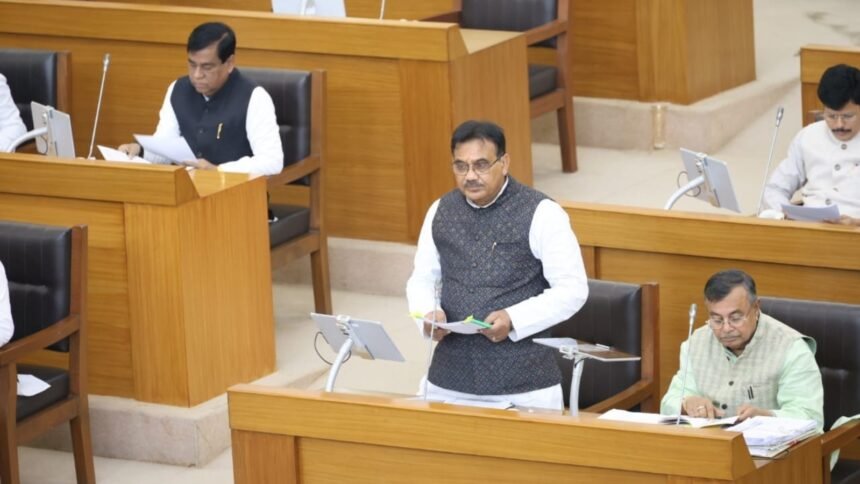
Political tensions escalated in Tripura as Tripura Recruitment Irregularities became a central point of criticism after the Leader of the Opposition, Jitendra Chaudhury, raised concerns over alleged irregularities in Group D government job appointments. The CPIM leader questioned the transparency of the recruitment process and alleged that non-residents had secured government positions under the current administration. The remarks have triggered renewed debate over employment policies, verification systems, and fairness in public sector hiring across the state.
Belonia College Student Deputation Sparks Demands
Tripura Fuel Price Hike Triggers Political Row
Background
Public sector recruitment in Tripura has often been a politically sensitive issue, especially given the high demand for government jobs among local youth. Over the years, successive governments have introduced recruitment reforms aimed at improving transparency, standardizing selection procedures, and reducing allegations of favoritism.
Within this context, It has emerged as a recurring political theme during legislative debates and public discussions. Employment-related concerns frequently intersect with broader issues such as domicile verification, reservation policies, and administrative accountability.
Political parties across the spectrum have historically used recruitment issues to highlight governance performance and administrative credibility.
Current Update
The Leader of the Opposition intensified scrutiny by alleging that certain Group D appointments were granted to individuals not originally from the state. He demanded clarification on recruitment procedures and called for greater transparency in selection processes.
The issue has now become a focal point of opposition criticism, with calls for official review and verification of appointment records. The ruling administration has not issued a detailed response at this stage, but the matter is expected to be addressed through administrative or legislative clarification.
Officials typically handle such allegations through departmental audits, recruitment record verification, and procedural review mechanisms.
Key Details
Government recruitment processes generally involve written examinations, skill assessments, document verification, and final selection lists prepared by authorized agencies. Allegations of irregularities often lead to demands for transparency in each stage of this process.
The significance of It lies in its potential impact on public trust in employment systems. Concerns over eligibility verification, residency status, and procedural fairness can influence perceptions of administrative integrity.
Experts note that clear documentation, digital record-keeping, and independent oversight mechanisms are key to preventing disputes in recruitment processes.
Impact and Public Significance
The issue has generated public discussion, particularly among job aspirants who closely follow recruitment announcements and selection outcomes. Employment in the government sector remains a major aspiration, making transparency in hiring processes a highly sensitive matter.
From a governance perspective, It highlights the importance of maintaining trust in institutional procedures. Allegations, if not addressed transparently, can affect confidence in public institutions and recruitment agencies.
Political debate around the issue is also likely to influence future discussions on recruitment reforms and verification standards.
What Happens Next
Authorities may review the allegations through administrative channels, including examination of recruitment records and verification of eligibility criteria. Legislative discussion or departmental clarification may also follow depending on the severity of the concerns raised.
Political parties are expected to continue debating the issue, while administrative bodies focus on ensuring compliance with recruitment rules. The outcome will depend on official findings and procedural review outcomes.
Conclusion
The allegations raised by the opposition have added a new dimension to ongoing political discussions in Tripura. As scrutiny increases, It has become a key issue linked to governance transparency, employment fairness, and administrative accountability. The coming period will determine whether the matter leads to policy clarification, procedural review, or broader recruitment reforms.
FAQs
1. What allegations were raised?
Allegations were made that non-residents secured Group D government jobs in Tripura.
2. Who raised the issue?
The Leader of the Opposition, Jitendra Chaudhury, raised the concerns.
3. What does Tripura Recruitment Irregularities refer to?
It refers to allegations of irregularities in government job recruitment processes.
4. Why is this issue important?
It affects public trust in recruitment fairness and administrative transparency.
5. How are such allegations handled?
They are typically reviewed through departmental audits and verification processes.
6. What could happen next?
Authorities may investigate recruitment records and issue clarifications or take corrective action if needed.