





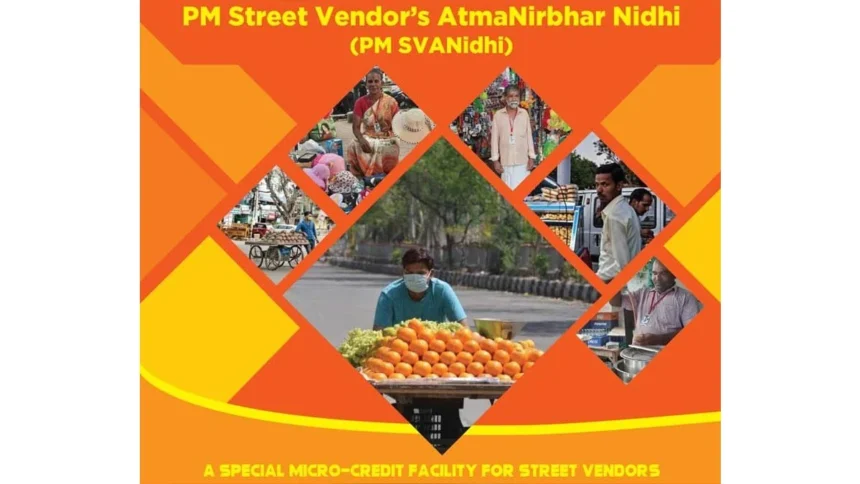
The PM SVANidhi loan scheme continues to transform the lives of street vendors across the state. Authorities have sanctioned and distributed more than 9,300 loans worth approximately ₹15 crore under the initiative. As a result, thousands of small traders have gained access to affordable financial support, helping them expand businesses, improve incomes, and strengthen economic stability. The scheme has emerged as a major tool for financial inclusion and self-employment promotion among street vendors.
Manipur Konsakhul Village Ambush Triggers Security Concerns
Manipur Security Leadership Transition Announced
PM SVANidhi Scheme Creates New Opportunities
Street vendors form an essential part of the local economy. They provide affordable goods and services while generating employment opportunities in urban and semi-urban areas. However, many vendors often struggle to secure formal financial assistance due to limited access to banking services.
To address this challenge, the government launched the PM Street Vendor’s AtmaNirbhar Nidhi (PM SVANidhi) initiative. The program aims to provide collateral-free working capital loans to eligible street vendors. Consequently, vendors can invest in their businesses without depending on informal lenders who often charge high interest rates.
The latest figures show that more than 9,300 loans worth nearly ₹15 crore have already reached beneficiaries across the state. This achievement highlights the growing success of the scheme and its positive impact on small entrepreneurs.
Financial Inclusion Through Affordable Credit
One of the primary objectives of the program involves bringing street vendors into the formal financial system. Many small traders previously lacked access to institutional credit despite contributing significantly to local markets.
Through the scheme, beneficiaries receive financial assistance that helps them purchase inventory, improve stalls, and expand operations. Furthermore, regular loan repayment enables vendors to build credit histories, opening doors to future financial opportunities.
As more vendors participate in the initiative, financial inclusion continues to improve. Therefore, the program supports both economic growth and social empowerment.
How the Loans Benefit Street Vendors
The distributed loans provide direct support to vendors who depend on daily earnings for their livelihoods. Many beneficiaries use the funds to restock products, increase business capacity, and attract more customers.
Additionally, access to working capital allows vendors to maintain consistent operations even during periods of financial uncertainty. Instead of borrowing from informal sources, they can rely on structured and affordable credit facilities.
Consequently, the program helps reduce financial vulnerability while encouraging business development. Vendors can focus on improving customer service and increasing profitability without facing excessive debt burdens.
Strengthening Local Economies
The impact of the initiative extends beyond individual beneficiaries. Street vendors contribute significantly to local economic activity by purchasing goods from wholesalers, serving consumers, and supporting supply chains.
When vendors receive financial assistance, they often invest directly into their businesses. This investment stimulates market activity and generates additional economic opportunities within communities.
Moreover, stronger small businesses can create indirect employment opportunities and support local commerce. Therefore, the scheme contributes to broader economic development while empowering grassroots entrepreneurs.
Government Focus on Self-Reliance
The success of the program reflects the government’s commitment to promoting self-reliance and entrepreneurship. Instead of relying solely on welfare measures, the initiative focuses on empowering individuals through access to financial resources.
By supporting vendors with affordable loans, policymakers encourage sustainable income generation and long-term economic independence. Furthermore, beneficiaries gain confidence to expand operations and pursue growth opportunities.
As a result, the initiative aligns with broader national goals of economic inclusion, entrepreneurship development, and poverty reduction.
Digital and Financial Literacy Gains
The scheme also promotes greater awareness of digital transactions and formal banking practices. Many beneficiaries engage with banking institutions for the first time through the loan application process.
Additionally, digital payment incentives associated with the program encourage vendors to adopt modern payment methods. This transition improves financial transparency and enhances customer convenience.
Consequently, vendors not only receive financial support but also gain valuable skills that strengthen business management and future growth prospects.
Impact on Urban Livelihoods
Urban economies depend heavily on the services provided by street vendors. From fresh produce sellers to food vendors and small retail operators, these entrepreneurs play a vital role in daily life.
The distribution of over 9,300 loans demonstrates a significant investment in urban livelihoods. Beneficiaries can improve infrastructure, diversify products, and serve customers more effectively.
Furthermore, stronger vendor businesses contribute to vibrant marketplaces and improved local commerce. Therefore, the scheme delivers benefits that extend throughout urban communities.
Challenges and Future Potential
Although the initiative has achieved notable success, continued awareness and outreach remain essential. Some eligible vendors may still lack information about available benefits or application procedures.
Authorities can further strengthen the program through financial literacy campaigns and simplified access mechanisms. Additionally, continued monitoring can ensure that beneficiaries receive maximum value from the assistance provided.
With sustained implementation, the program has the potential to support even more vendors and expand economic opportunities across the state.
Long-Term Economic Benefits
The long-term impact of the initiative goes beyond immediate financial assistance. Successful vendors often reinvest earnings into business growth, family welfare, and community development.
Moreover, increased financial stability enables beneficiaries to better manage economic challenges and market fluctuations. As businesses grow, vendors contribute more actively to local economies and regional development.
Therefore, the scheme represents an investment in sustainable entrepreneurship and inclusive economic progress.
Conclusion
The sanction and distribution of more than 9,300 loans worth approximately ₹15 crore mark a significant achievement under the PM SVANidhi initiative. The program continues to empower street vendors by providing affordable financial support, encouraging entrepreneurship, and promoting financial inclusion.
As more vendors benefit from the scheme, local economies gain strength, livelihoods improve, and opportunities for sustainable growth expand. The initiative demonstrates how targeted financial assistance can create meaningful change for thousands of hardworking entrepreneurs.
FAQs
What is the PM SVANidhi scheme?
PM SVANidhi is a government initiative that provides collateral-free working capital loans to street vendors to support and expand their businesses.
How many loans have been distributed under the scheme in the state?
Authorities have sanctioned and distributed more than 9,300 loans.
What is the total value of the distributed loans?
The loans are worth approximately ₹15 crore.
Who benefits from the scheme?
Street vendors and small traders benefit through access to affordable working capital and financial inclusion opportunities.
How does the scheme support economic growth?
The program strengthens small businesses, increases market activity, promotes entrepreneurship, and improves livelihoods.