







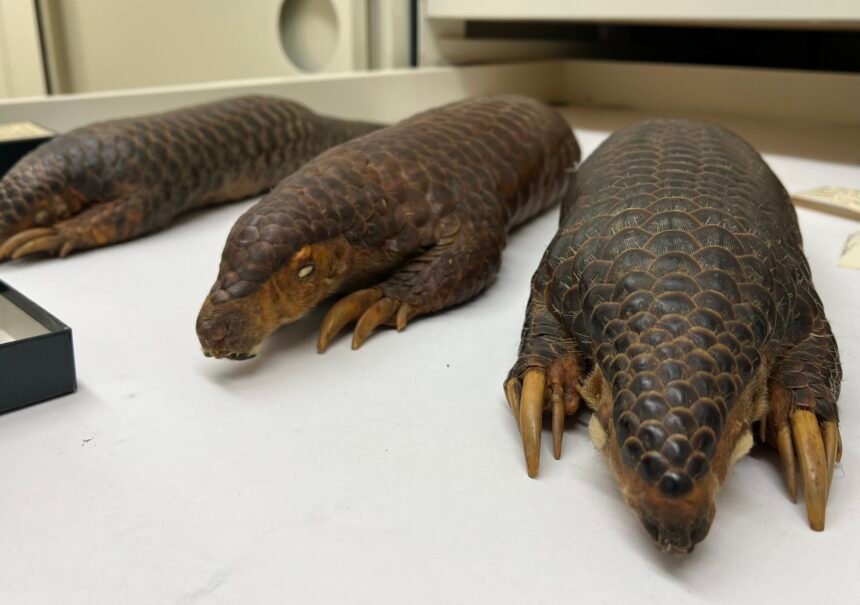
The Himalayan Pangolin Distinctiveness study has identified the Himalayan pangolin as an entirely distinct species, according to findings released by wildlife geneticists through a regional research programme. Moreover, the scientific conclusion highlights the need for species-specific conservation strategies to safeguard its unique genetic identity and habitat. Consequently, the study is expected to strengthen wildlife protection policies, biodiversity research, and conservation planning across the Himalayan region.
Rich Ecological Corridor in BTR Recognized for Exceptional Butterfly Diversity
Himalayan Pangolin Distinctiveness Confirmed Through Genetic Research
The Himalayan Pangolin Distinctiveness was established following a regional genetic study conducted by wildlife researchers. Furthermore, the analysis concluded that the Himalayan pangolin possesses unique genetic characteristics that distinguish it from closely related pangolin species.
Genetic research plays a vital role in accurately identifying species and understanding their evolutionary history. Consequently, the findings provide an important scientific basis for future conservation efforts.
Moreover, the study contributes to expanding knowledge of Himalayan biodiversity. Therefore, researchers believe the results will support more effective wildlife management strategies.
Additionally, continued scientific investigation will further improve understanding of the species’ ecological requirements. Thus, research remains central to conservation planning.
Separate Species Status Calls for Dedicated Protection
The Himalayan Pangolin Distinctiveness finding emphasizes the importance of developing conservation measures specifically tailored to the species. Furthermore, experts note that genetically distinct species often require dedicated management plans to address their unique ecological needs.
Species-specific conservation improves the effectiveness of habitat protection and recovery programmes. Consequently, authorities may use the research to strengthen future wildlife conservation policies.
Moreover, recognizing unique species helps prioritize scientific monitoring and habitat preservation. Therefore, conservation planning can become more targeted and evidence-based.
Similarly, protecting genetically distinct wildlife contributes to preserving global biodiversity. Additionally, focused conservation efforts improve long-term species survival.
Research Strengthens Biodiversity Conservation
The Himalayan Pangolin Distinctiveness study highlights the importance of modern genetic science in biodiversity conservation. Furthermore, accurate species identification supports better ecological research and informed environmental decision-making.
Scientific evidence enables conservation agencies to allocate resources more effectively. Consequently, research findings can guide habitat management and wildlife protection initiatives.
Moreover, biodiversity studies improve understanding of ecosystem health and species diversity. Therefore, continued scientific collaboration remains essential.
Similarly, conservation programmes benefit from updated taxonomic research. Additionally, genetic studies strengthen international wildlife conservation efforts.
Future Conservation to Focus on Species-Specific Strategies
The Himalayan Pangolin Distinctiveness research is expected to influence future conservation planning by encouraging species-specific protection measures. Furthermore, wildlife experts emphasize the importance of protecting natural habitats while continuing long-term ecological monitoring.
Conservation success depends on integrating scientific research with habitat preservation and community awareness. Consequently, coordinated efforts can better safeguard endangered wildlife.
Moreover, collaboration among researchers, government agencies, and conservation organizations strengthens biodiversity protection. Therefore, future initiatives are likely to benefit from the study’s findings.
Similarly, sustained monitoring will improve understanding of population trends and habitat conditions. Additionally, continued research will help ensure the long-term survival of the Himalayan pangolin.
Conclusion
The Himalayan Pangolin Distinctiveness study marks an important scientific advancement by confirming the Himalayan pangolin as a genetically distinct species. Moreover, the findings reinforce the importance of evidence-based conservation and highlight the need for dedicated protection strategies.
Furthermore, the research provides valuable insights for wildlife management, biodiversity conservation, and ecological studies across the Himalayan region. Consequently, species-specific conservation measures will play an increasingly important role in protecting this unique mammal.
Looking ahead, continued genetic research, habitat conservation, and collaborative wildlife protection initiatives will remain essential for preserving the Himalayan Pangolin Distinctiveness and ensuring the species’ long-term survival.
FAQs
1. What is the Himalayan Pangolin Distinctiveness study?
It is a regional genetic study that identified the Himalayan pangolin as a genetically distinct species.
2. Why is the finding important?
The research supports species-specific conservation strategies and improves scientific understanding of Himalayan biodiversity.
3. Who conducted the research?
Wildlife geneticists carried out the regional study using genetic analysis.
4. How will the findings support conservation?
The results can guide targeted habitat protection, wildlife management, and long-term conservation planning.
5. Why is the Himalayan Pangolin Distinctiveness significant?
It confirms the Himalayan pangolin as a separate species, strengthening the need for dedicated conservation efforts and evidence-based biodiversity protection.