



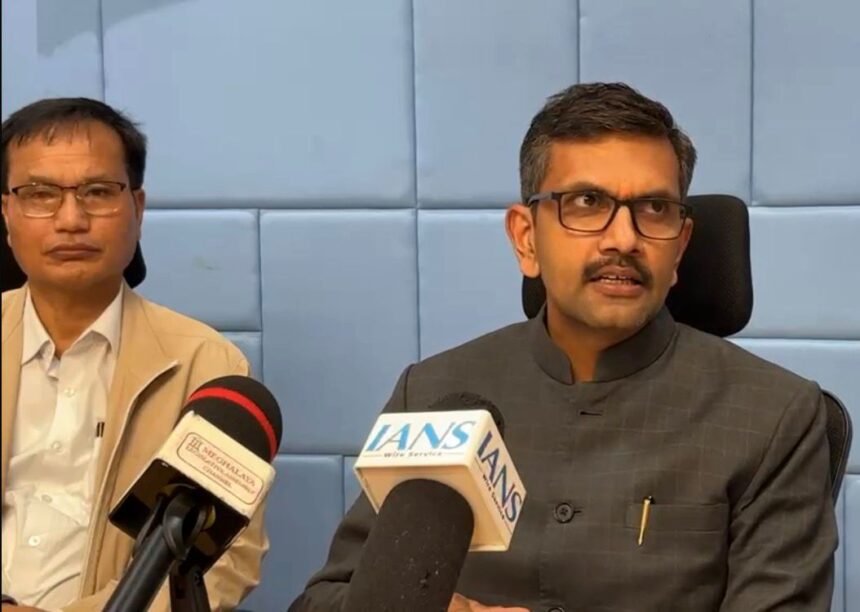
Meghalaya’s electoral-roll revision has entered a crucial public-review phase as Chief Electoral Officer B.D.R. Tiwari held review meetings with national and state-level political parties. The exercise allows political representatives and citizens to examine the Draft Electoral Rolls, with the public inspection period scheduled to continue until September 4, 2026.
Special Delimitation Session: August 16–18 Plan Faces Government Clarification
The review forms part of the wider electoral-roll verification process underway in Meghalaya. Moreover, consultations with political parties can help identify discrepancies, missing names, duplicate entries, and other concerns before authorities prepare the final electoral rolls.
The extended inspection period gives eligible voters an opportunity to verify their details and raise claims or objections through the prescribed procedures. Therefore, citizens should check the draft rolls carefully and submit any necessary requests within the applicable deadline.
Meghalaya Electoral Roll Review Enters Public Phase
The Meghalaya electoral-roll review has moved into an important stage following the publication of the draft rolls.
CEO B.D.R. Tiwari’s meetings with political parties provide an opportunity to discuss the revision process and identify concerns raised by party representatives. Additionally, such consultations can help election officials understand issues affecting voters across different constituencies.
The public inspection period will remain open until September 4, giving voters time to check their electoral information.
However, citizens should rely on official election authorities for precise instructions about claims, objections, and corrections.
Political Parties Participate in Review Meetings
Political parties play an important role in monitoring electoral-roll revisions.
National and state-level parties can examine draft electoral information and raise concerns through established mechanisms. Furthermore, their representatives can identify potential discrepancies that may require further verification by election officials.
The meetings with Tiwari therefore provide a platform for political parties to engage directly with the electoral administration.
However, party objections still require verification before officials make changes to electoral records.
Public Inspection Continues Until September 4
The September 4 deadline gives voters a defined window to inspect the draft electoral rolls.
Citizens can check whether their names appear correctly and whether details such as addresses and other relevant information require correction. Moreover, voters can use the prescribed procedures to submit claims or objections when they identify problems.
The inspection period therefore serves as an important safeguard before finalisation.
However, voters should not wait until the final days because processing applications can take time.
Why Draft Electoral Rolls Matter
Draft electoral rolls allow authorities to identify and correct problems before final publication.
The process can help address duplicate records, incorrect details, changes in residence, and other discrepancies. Additionally, it gives eligible citizens an opportunity to raise concerns if their names do not appear as expected.
Accurate electoral rolls remain essential for conducting elections effectively.
However, revisions must also protect eligible voters from inadvertent exclusion.
Voters Should Verify Their Names
Residents should check their electoral information during the inspection period.
A voter who finds an incorrect name, address, or other detail can follow the applicable correction procedure. Furthermore, anyone who believes an eligible voter has been incorrectly omitted can use the relevant claims mechanism.
Early verification can reduce the risk of unresolved issues later.
However, the specific forms and documentation requirements depend on the nature of each application.
Claims and Objections Provide Safeguards
The draft-roll stage allows citizens and eligible stakeholders to raise concerns.
Claims can help voters seek inclusion or correction, while objections can allow authorities to examine potentially inaccurate entries. Moreover, these mechanisms create a formal process for resolving electoral-roll disputes.
Election officials can then examine submissions before preparing the final roll.
However, applicants should provide accurate information and comply with the relevant procedural requirements.
CEO B.D.R. Tiwari Leads Review Process
As Meghalaya’s Chief Electoral Officer, B.D.R. Tiwari has been overseeing the electoral-roll revision process.
His meetings with political parties demonstrate the administration’s engagement with stakeholders during the draft stage. Additionally, consultations can help election officials identify issues that may require closer examination before final publication.
Such engagement can strengthen confidence in the revision process.
However, the final decision on individual electoral records rests with the competent election authorities under applicable rules.
Political Scrutiny Increases
Electoral-roll revisions often attract significant political attention because voter lists directly affect elections.
Parties may monitor additions, deletions, corrections, and other changes across constituencies. Furthermore, they may raise concerns if they believe eligible voters face difficulties during the revision process.
The involvement of both national and state parties can therefore increase scrutiny.
However, political claims about voter-list changes should be assessed against official records.
Transparency Becomes Important
Transparent communication remains essential during the Meghalaya electoral-roll review.
Election authorities need to clearly communicate inspection locations, submission procedures, deadlines, and mechanisms for resolving disputes. Moreover, accessible information can help voters understand how to protect their electoral rights.
Public confidence can increase when authorities provide clear explanations for the revision process.
However, citizens should verify information through official election channels rather than relying on unofficial claims.
Digital and Physical Access
Voters may have access to different methods for checking electoral information, depending on arrangements made by election authorities.
Digital services can make verification easier for residents with internet access. At the same time, physical inspection facilities remain important for citizens who face connectivity or technology barriers.
Therefore, maintaining accessible channels can improve participation in the review process.
However, voters should confirm the officially designated methods before submitting applications.
Political Parties Can Assist Voters
Political parties and their booth-level representatives can help voters understand the revision process.
They can inform residents about draft-roll publication, inspection periods, and available claims or objection mechanisms. Additionally, party representatives can identify recurring issues and bring them to election officials.
This participation can improve awareness.
However, voters should independently verify information and submit applications through the official procedures.
Finalisation Will Follow the Review
The draft electoral roll represents an intermediate stage rather than the final voter list.
After the claims and objections period ends, election authorities can examine submissions and make appropriate corrections. Furthermore, officials may conduct additional verification where necessary.
The final electoral roll can then reflect the outcome of this review process.
However, the finalisation timeline will depend on the procedures and schedule announced by the election authorities.
Meghalaya Voters Have an Important Role
The public inspection period gives voters a direct role in improving electoral records.
Residents can help identify errors by checking their own details and raising concerns about inaccuracies. Moreover, timely participation can reduce problems when elections eventually take place.
The September 4 deadline therefore represents an important opportunity for eligible voters.
However, voters should act before the deadline rather than assuming that corrections will happen automatically.
Conclusion
The Meghalaya electoral-roll review has entered a key public-inspection stage after Chief Electoral Officer B.D.R. Tiwari held review meetings with national and state political parties. The Draft Electoral Rolls remain open for public inspection until September 4, 2026, giving voters and stakeholders an opportunity to identify discrepancies and raise claims or objections.
Moreover, political-party consultations can strengthen scrutiny and transparency during the revision process. At the same time, eligible voters should take responsibility for checking their own electoral details and submitting corrections or claims within the prescribed period.
Overall, the review process will play an important role in preparing accurate electoral rolls for Meghalaya. Public participation, transparent procedures, and timely verification will remain essential as authorities move toward finalising the voter list.
FAQs
1. Who is overseeing Meghalaya’s electoral-roll review?
Chief Electoral Officer B.D.R. Tiwari is overseeing the electoral-roll revision process in Meghalaya.
2. Until when can voters inspect the Draft Electoral Rolls?
According to the information provided, public inspection remains open until September 4, 2026.
3. Why are political parties involved?
Political parties can review draft electoral information, identify potential discrepancies, and raise concerns through established election procedures.
4. What should voters check?
Voters should verify their names and relevant electoral details and report any errors, omissions, or other discrepancies through the prescribed process.
5. What happens after the inspection period?
Election officials will examine claims and objections and make appropriate corrections before preparing the final electoral rolls.