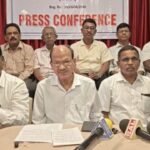


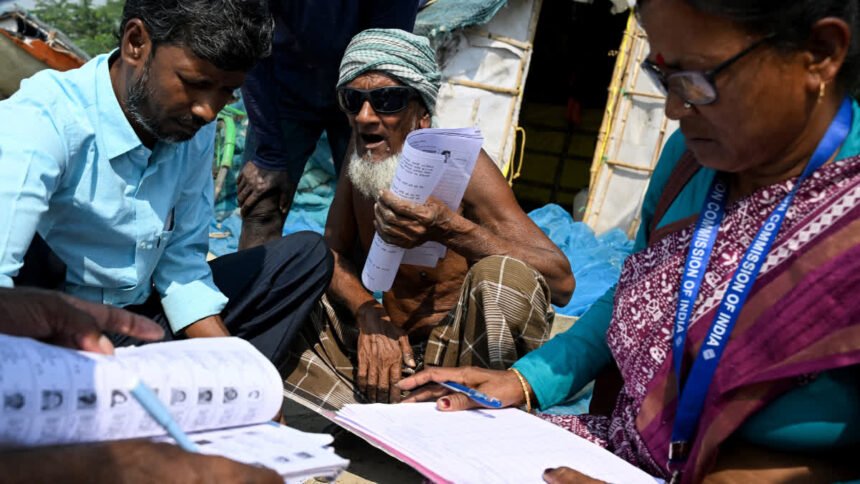
The voter shrinkage debate has intensified after draft electoral rolls in Manipur, Mizoram, Sikkim, and Odisha reportedly recorded a combined decline of around 22 lakh names following stricter verification measures. Election authorities have linked the revision process to efforts to identify unverified, duplicate, shifted, deceased, or otherwise ineligible entries.
Special Delimitation Session: August 16–18 Plan Faces Government Clarification
The sharp reduction has triggered political and public discussion over the balance between electoral accuracy and voter inclusion. Moreover, opposition parties and civil-society groups have raised questions about whether legitimate voters could face exclusion during large-scale verification exercises.
Election officials, however, have maintained that electoral-roll revision aims to improve the accuracy of voter databases. Therefore, the claims and objections process remains an important safeguard for citizens whose names may have disappeared from draft lists.
Draft Rolls Record Major Voter Decline
The reported reduction of approximately 22 lakh names across the four states has placed electoral-roll revision under greater scrutiny.
Manipur, Mizoram, Sikkim, and Odisha have all undergone intensive verification of voter records. Additionally, officials have examined electoral databases to identify entries that may no longer meet registration requirements.
The decline in draft-roll numbers does not automatically mean that 22 lakh eligible voters have lost their voting rights.
Instead, authorities need to examine individual cases through the prescribed claims and objections process.
Verification Drives Trigger Debate
Stricter verification protocols have become central to the controversy.
Election authorities use electoral-roll revision to identify records involving deceased voters, duplicate entries, voters who have shifted residence, and other potentially inaccurate information. Furthermore, officials may require voters to provide information or documentation in certain circumstances.
These measures can improve the reliability of electoral databases.
However, large-scale revisions can also create concerns when legitimate voters fail to appear in draft rolls.
Manipur Faces Electoral-Roll Scrutiny
Manipur’s voter database has attracted particular attention amid the broader revision exercise.
The state’s difficult administrative and social conditions can make voter verification challenging in some areas. Moreover, displacement and changes in residence can complicate the process of maintaining accurate electoral records.
Authorities therefore face the task of distinguishing genuine changes in voter status from cases requiring further verification.
However, individual voter records require case-by-case assessment before officials make final decisions.
Mizoram Sees Changes in Draft Listings
Mizoram has also experienced changes during the electoral-roll revision process.
The state’s political parties and civil-society organisations have closely followed the exercise because voter records affect future elections. Additionally, concerns about missing names can generate pressure on election officials to provide clear explanations.
The public review process can help voters identify such issues.
However, a reduction in draft-roll numbers does not by itself establish wrongful deletion.
Sikkim Voter Numbers Come Under Focus
Sikkim has similarly attracted attention because of changes to its draft electoral roll.
The state’s geography and population distribution can create administrative challenges during verification. Furthermore, officials may need to address records involving migration, duplicate registrations, and changes in residential status.
Political parties may monitor the changes closely.
However, voters who believe authorities incorrectly removed their names can use the prescribed claims process.
Odisha Records Large-Scale Changes
Odisha’s larger population means that even a relatively small percentage change can produce a substantial numerical difference.
The revision process has consequently attracted attention from political parties and voters. Moreover, officials must process large volumes of electoral information while maintaining accurate records.
The scale of the exercise makes clear communication particularly important.
However, the number of deleted or unverified entries should not be interpreted as the number of confirmed ineligible voters without examining official classifications.
Why Electoral Rolls Shrink
Electoral rolls can decline for several legitimate reasons.
Authorities may remove records of deceased voters, duplicate registrations, people who have permanently shifted residence, or individuals who no longer meet eligibility requirements. Additionally, some records may remain pending verification until voters provide necessary information.
Therefore, a decline in draft-roll numbers does not necessarily indicate mass disenfranchisement.
However, the verification process must provide adequate opportunities for eligible voters to correct mistakes.
Opposition Parties Raise Concerns
Opposition parties have questioned large-scale changes to voter databases in several states.
They argue that strict verification can create barriers for vulnerable citizens who lack documentation or cannot easily access election offices. Furthermore, parties may worry that missing names could affect legitimate voters during future elections.
These concerns have increased political pressure on election authorities.
However, allegations of systematic wrongful deletion require evidence and verification through official electoral records.
Claims and Objections Offer Protection
The claims and objections stage plays a crucial role in electoral-roll revision.
Eligible voters who find their names missing can approach the designated authorities and request inclusion or correction. Moreover, election officials can examine supporting information before deciding whether to restore or modify a record.
This process provides an important safeguard against administrative errors.
However, voters need to submit applications within the applicable deadlines.
Public Verification Becomes Essential
Citizens can play an active role by checking their electoral details during the draft stage.
Voters should verify their names, addresses, and other relevant information. Additionally, they should report discrepancies through official channels rather than waiting until an election approaches.
Early action can reduce administrative difficulties.
However, citizens should consult official election authorities for the exact procedure and documentation requirements.
Political Parties Monitor Draft Rolls
Political parties have strong reasons to monitor voter-list revisions.
Parties can use authorised representatives to examine changes and raise concerns about possible discrepancies. Furthermore, party-level verification can identify recurring problems across constituencies.
Such oversight can improve transparency.
However, political parties should distinguish between verified discrepancies and unsubstantiated allegations.
Transparency Will Determine Public Trust
The credibility of the revision exercise depends heavily on transparency.
Election authorities can improve confidence by publishing clear information about verification standards, deletion categories, deadlines, and appeal mechanisms. Moreover, explaining why records changed can help voters understand the process.
Transparent procedures can reduce misinformation.
However, authorities also need to ensure that eligible voters can access the claims process without unnecessary obstacles.
Documentation Challenges Could Affect Vulnerable Voters
Strict verification can create difficulties for people who have limited access to documentation.
Migrants, displaced families, elderly citizens, and residents of remote areas may face additional challenges during administrative verification. Furthermore, language and connectivity barriers can complicate access to online systems.
Election authorities therefore need accessible assistance mechanisms.
However, documentation requirements must also support the integrity of electoral records.
Digital Verification Has Benefits and Risks
Digital databases can help election officials identify duplicate or inconsistent entries more efficiently.
Technology can also make it easier for citizens to check their electoral information and track applications. Additionally, centralised databases can support faster coordination between different administrative units.
However, digital systems can create difficulties for citizens who lack reliable internet access or digital literacy.
Therefore, online services should complement rather than replace accessible offline assistance.
Draft Figures Are Not Final
One of the most important aspects of the current debate involves the distinction between draft and final electoral rolls.
Draft rolls remain subject to claims, objections, corrections, and verification. Consequently, the number of names in a draft list can change before authorities publish the final roll.
Voters should therefore not assume that a missing name represents a permanent deletion.
However, citizens should still act promptly if they identify an omission.
Four States Face Different Conditions
The combined figure of 22 lakh covers four states with very different demographic and administrative circumstances.
Manipur, Mizoram, Sikkim, and Odisha have different population sizes, migration patterns, geographical conditions, and electoral histories. Moreover, the reasons for changes in voter numbers may differ significantly between individual states.
Comparing the states solely through the combined number could therefore hide important differences.
A state-by-state assessment remains necessary.
What Happens Next?
Election authorities will need to process claims and objections before finalising the electoral rolls.
Political parties are likely to continue monitoring the revision process and raising concerns about missing names. Additionally, civil-society groups may encourage voters to verify their records before the relevant deadlines.
The final electoral rolls will provide a clearer picture of the actual impact of the exercise.
However, the process could remain politically contentious until authorities complete verification.
Conclusion
The voter shrinkage debate has intensified following the reported combined decline of around 22 lakh names from draft electoral rolls across Manipur, Mizoram, Sikkim, and Odisha. Election authorities have linked the changes to stricter verification aimed at improving the accuracy of voter databases.
Moreover, the decline does not automatically mean that all removed names belonged to eligible voters. Electoral rolls can change because of deceased voters, duplicate entries, relocation, eligibility issues, or records requiring further verification.
At the same time, the scale of the reductions makes transparency and accessible claims procedures essential. Eligible voters who find their names missing should verify their status and use the official correction or inclusion process within the applicable deadline.
Overall, the final impact of the revision will become clearer only after authorities complete the claims, objections, and verification stages.
FAQs
1. Why have voter numbers declined in the four states?
Authorities have attributed changes to stricter verification of electoral records, including efforts to identify duplicate, deceased, shifted, or otherwise unverified entries.
2. Does a lower draft-roll figure mean voters have permanently lost their rights?
Not necessarily. Draft rolls remain subject to claims, objections, corrections, and further verification.
3. Which states are involved in the reported 22-lakh decline?
The reported changes involve Manipur, Mizoram, Sikkim, and Odisha.
4. What should voters do if their names are missing?
They should check the official electoral records and use the applicable claims or correction procedure within the announced deadline.
5. Why has the revision become politically controversial?
Political parties and civil-society groups are debating whether stricter verification improves electoral accuracy or risks excluding eligible voters who face difficulties during the verification process.