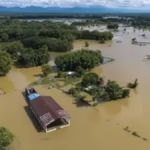





The Assam flood toll has officially risen to 85 deaths as severe flooding continues to affect parts of the state. At the same time, the total affected population has declined to around 1.35 lakh across the remaining affected districts, indicating some improvement in the overall flood situation.
Congress Issues Three-Line Whip as FCRA Bill Debate Looms in Parliament
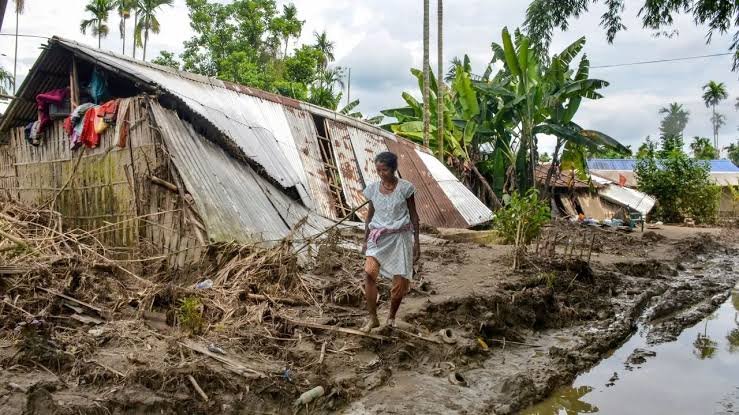
However, Sivasagar has emerged as one of the worst-hit areas, with unprecedented deposits of silt and mud causing extensive damage to homes, roads, agricultural land, and local infrastructure. The scale of the debris has created additional challenges for residents and relief agencies working to restore normal conditions.
The latest figures highlight a mixed picture. While the number of affected people has fallen, the human and physical losses remain significant. Moreover, authorities face the difficult task of clearing accumulated mud and silt while continuing relief operations for displaced families.
Assam Flood Toll Rises to 85
The official Assam flood toll has reached 85 deaths, underscoring the severity of the current disaster.
Floodwaters have affected communities across several districts, while local administrations continue to assess damage and provide assistance. Additionally, falling water levels in some locations have allowed residents to begin returning to their homes.
However, the decline in the affected population does not mean that the crisis has ended.
Families returning to flood-hit areas can face damaged houses, contaminated surroundings, destroyed crops, and disrupted access to essential services.
Sivasagar Faces Severe Silt Damage
Sivasagar has emerged as a major centre of concern because of the extensive silt and mud deposited by floodwaters.
The thick deposits have covered agricultural fields, roads, residential areas, and other properties. Furthermore, removing the accumulated material requires significant manpower, equipment, and financial resources.
For many residents, the challenge now extends beyond escaping floodwaters.
They must also clean their properties, assess structural damage, recover belongings, and prepare for the restoration of basic services.
1.35 Lakh People Remain Affected
The number of people affected across the remaining flood-hit districts has fallen to approximately 1.35 lakh.
The decline suggests that flood conditions have improved in some areas and that some residents may have returned home. Moreover, authorities can gradually shift resources from emergency evacuation toward recovery and rehabilitation.
However, thousands of families may still require assistance.
Relief camps and temporary shelters remain important for people whose homes remain unsafe or inaccessible.
Upper Assam Bears Heavy Impact
Upper Assam has faced significant pressure during the latest flooding.
Several communities have experienced inundation, damaged infrastructure, and agricultural losses. Additionally, prolonged exposure to floodwaters can increase the risk of sanitation and public-health problems.
Sivasagar’s heavy silt deposits have added another layer of difficulty.
Therefore, recovery efforts need to address both immediate humanitarian needs and longer-term reconstruction.
Floodwaters Leave Behind Extensive Debris
Flood damage does not end when water levels decline.
Mud, silt, debris, and waste can remain across roads, homes, farms, and public spaces. Consequently, residents may spend days or weeks cleaning affected areas before they can fully resume normal activities.
Sivasagar’s reported scale of silt accumulation has made debris removal a major recovery priority.
Furthermore, authorities need to inspect roads, drainage systems, bridges, and other infrastructure for damage.
Agriculture Faces Major Losses
Agriculture remains particularly vulnerable to prolonged flooding.
Floodwaters can damage standing crops, cover farmland with layers of silt, and disrupt agricultural activity. Moreover, farmers may face additional losses if they cannot quickly restore fields for the next cultivation cycle.
Silt can have mixed effects depending on its composition and depth.
However, heavy deposits can make farmland difficult to cultivate without substantial clearing and rehabilitation work.
Local Infrastructure Requires Attention
Flooding can place significant stress on local infrastructure.
Roads may become difficult to use, drainage systems can become blocked, and public facilities can require cleaning and repairs. Additionally, electricity and communication services can face disruptions in severely affected locations.
Authorities therefore need to conduct detailed damage assessments.
Such assessments can help determine where emergency repairs and reconstruction resources should go first.
Relief Operations Continue
Despite the decline in affected population, relief operations remain important.
Authorities and local organisations continue to support families that require food, shelter, medical assistance, and other essential supplies. Furthermore, officials must ensure that vulnerable residents receive assistance during the transition from emergency response to recovery.
The changing flood situation requires relief teams to adjust their priorities.
However, difficult terrain and damaged roads can complicate access to some communities.
Returning Residents Face New Challenges
Families returning home may encounter conditions that differ sharply from those before the flooding.
Homes can require extensive cleaning, while mud and silt can block entrances, drains, and surrounding roads. Moreover, residents may need to dispose of damaged household materials and restore basic utilities.
The recovery process can therefore continue long after floodwaters recede.
Authorities may need to provide additional support for particularly damaged communities.
Health and Sanitation Risks Remain
Flood recovery also involves significant sanitation concerns.
Standing water and accumulated waste can create conditions that increase health risks. Additionally, contaminated water sources can make access to safe drinking water a priority.
Local authorities need to monitor sanitation conditions in affected communities.
Furthermore, residents should receive clear information about safe water, food hygiene, and cleaning procedures during recovery.
Government Faces Recovery Challenge
The rising death toll has increased pressure on the Assam government to strengthen relief and rehabilitation measures.
Officials must address both immediate humanitarian needs and the longer-term consequences of the disaster. Moreover, severely affected districts such as Sivasagar may require additional resources for infrastructure restoration and debris removal.
Political leaders may also face questions about flood management and preparedness.
However, detailed assessments will be necessary before authorities can determine the full economic and physical cost of the disaster.
Political Attention Grows
The Assam flood toll of 85 deaths is likely to remain a major political issue.
Opposition parties can use the disaster to question the government’s flood-management policies, while the administration can highlight ongoing relief and recovery measures. Furthermore, local residents may demand stronger protection against recurring floods.
The political debate could intensify as the government releases further damage assessments.
However, the immediate priority for affected communities remains recovery and rehabilitation.
Sivasagar Becomes Focus of Recovery Efforts
The scale of silt and mud damage has placed Sivasagar at the centre of recovery operations.
Authorities may need specialised equipment to clear roads and residential areas efficiently. Additionally, agricultural fields may require assessment before farmers can resume cultivation.
The district’s experience demonstrates how flood damage can persist after water levels fall.
Therefore, recovery planning must extend beyond evacuation and immediate relief.
What Happens Next?
The next phase will focus increasingly on rehabilitation.
Authorities are expected to continue monitoring water levels, assess infrastructure, clear debris, and support affected families. Moreover, officials will need to update casualty and damage figures as field assessments continue.
The affected population could decline further if conditions improve.
However, the overall recovery timeline will depend on the extent of damage and the availability of resources.
Conclusion
The Assam flood toll has reached 85 deaths, while the number of affected people across the remaining districts has fallen to approximately 1.35 lakh. Although the reduction indicates some improvement in flood conditions, the disaster continues to impose a heavy burden on affected communities.
Moreover, Sivasagar has emerged as a major recovery challenge, with extensive silt and mud deposits damaging homes, farmland, roads, and local infrastructure. At the same time, returning residents face the difficult task of cleaning properties and rebuilding disrupted livelihoods.
Overall, the latest figures present a mixed picture of declining flood impact but severe ongoing recovery needs. Authorities will need to combine continued relief assistance with extensive debris removal, infrastructure repairs, agricultural rehabilitation, and long-term flood-management measures.
FAQs
1. What is the latest Assam flood death toll?
The official death toll has reached 85, according to the figures provided for this report.
2. How many people remain affected?
Around 1.35 lakh people remain affected across the districts still experiencing the impact of the floods.
3. Why is Sivasagar facing particular concern?
Sivasagar has experienced extensive deposits of silt and mud, causing significant damage to residential areas, agricultural land, roads, and infrastructure.
4. Are flood conditions improving?
The decline in the affected population suggests improvement in some areas. However, significant recovery and rehabilitation challenges remain.
5. What are the main priorities after the floodwaters recede?
Authorities need to focus on debris and silt removal, infrastructure repairs, safe drinking water, sanitation, agricultural recovery, and assistance for affected families.