




New research findings are being fast-tracked for publication in peer-reviewed global journals, with the broader objective of encouraging revisions to existing South Asian history textbooks. The initiative reflects an effort to bring emerging scholarship into academic discussions and reassess historical interpretations through new evidence.
The findings could contribute to wider debates about how South Asian history appears in educational materials. Moreover, publication in international peer-reviewed journals can give researchers an opportunity to present their evidence to scholars from different academic backgrounds.
However, publication alone does not automatically change textbooks. Academic institutions, historians, curriculum authorities, and textbook publishers must assess new research before incorporating it into established educational narratives.
Imphal-Dimapur Interstate Passenger Service Set to Return
Research Targets South Asian History
The research programme seeks to contribute new findings to the study of South Asian history.
Historical scholarship constantly evolves as researchers examine newly available evidence, revisit existing sources, and develop alternative interpretations. Furthermore, advances in archaeology, archival research, linguistics, genetics, and digital analysis can provide new perspectives on historical questions.
The latest findings could therefore add another layer to existing academic debates.
However, researchers must establish the reliability and significance of the evidence before drawing broader historical conclusions.
Peer Review Provides Academic Scrutiny
Fast-tracking the findings for peer-reviewed journals places emphasis on independent academic evaluation.
Peer review allows specialists to examine research methods, evidence, arguments, and conclusions before publication. Additionally, critical feedback can help researchers address weaknesses and clarify claims.
This process can strengthen the credibility of published scholarship.
However, peer review does not guarantee that every conclusion will gain universal acceptance. Historical interpretation often remains subject to continuing scholarly debate.
Textbooks Could Face Reassessment
The proposed objective involves revising South Asian history textbooks in light of new research.
Textbooks generally condense complex historical debates into narratives that students can understand. Moreover, curriculum materials often reflect the evidence and interpretations available when authors prepare them.
New scholarship can therefore prompt revisions when it provides sufficiently strong evidence.
However, curriculum changes require careful assessment because textbooks influence how generations of students understand historical events and societies.
New Evidence Can Change Historical Narratives
Historical knowledge does not remain permanently fixed.
Researchers can discover previously overlooked documents, reinterpret archaeological evidence, or challenge assumptions that earlier scholars accepted. Furthermore, comparative research can reveal connections between societies that existing textbooks may not adequately explain.
Such findings can encourage historians to revisit established narratives.
However, researchers must distinguish between genuinely new evidence and interpretations that simply repackage existing arguments.
South Asian History Remains Complex
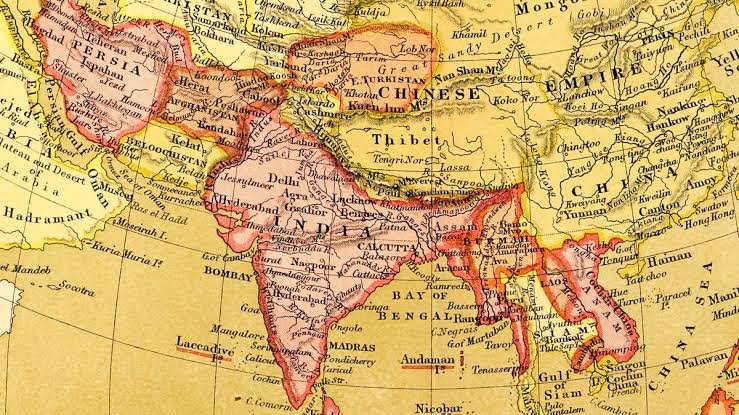
South Asia contains a long and diverse historical record spanning multiple civilisations, kingdoms, communities, languages, religions, and political systems.
A single textbook cannot capture every aspect of that history. Additionally, different historians may interpret the same evidence differently depending on methodology and available sources.
New research can therefore broaden the range of perspectives presented to students.
However, revisions should preserve historical context and avoid replacing one oversimplified narrative with another.
Global Journals Expand Scholarly Reach
Publishing research in international journals can expose findings to a wider academic community.
Researchers from different countries can evaluate the evidence, compare it with existing scholarship, and conduct further studies. Moreover, international publication can encourage collaboration between scholars working on different aspects of South Asian history.
This broader exchange can strengthen historical research.
However, global publication should complement regional scholarship rather than overshadow researchers and institutions based in South Asia.
Academic Debate Could Intensify
New historical findings often generate debate.
Some scholars may support a new interpretation, while others may question its evidence or methodology. Furthermore, disagreements can encourage additional research that tests competing explanations.
This process can ultimately strengthen academic understanding.
However, public discussions should distinguish between evidence-based scholarly disagreement and unsupported claims about history.
Textbook Revision Requires Multiple Steps
Changing established textbooks involves more than publishing a new academic paper.
Researchers first need to establish the significance of their findings. Curriculum experts and historians can then evaluate the research before determining whether it warrants changes to educational materials.
Additionally, textbook revisions must consider age-appropriate presentation and curriculum requirements.
Therefore, any proposed changes will likely require a structured academic and educational review.
Students Could Gain From Updated Scholarship
Updated textbooks can help students encounter current historical scholarship.
When educational materials reflect well-supported research, students can develop a more accurate understanding of historical developments. Moreover, presenting multiple scholarly perspectives can encourage critical thinking and help students understand how historians construct interpretations.
This approach can make history education more analytical.
However, revisions should use clear language and avoid overwhelming students with unresolved academic disputes.
Digital Research Could Support New Findings
Modern research tools have expanded historians’ ability to examine large collections of information.
Digitised archives, geographic information systems, computational analysis, and digital databases can help researchers identify patterns that earlier scholars could not easily examine. Furthermore, interdisciplinary methods can connect historical research with archaeology, environmental studies, economics, and other fields.
These approaches can contribute to new interpretations of South Asian history.
However, researchers must still validate digital findings against reliable historical evidence.
Regional Scholars Remain Important
Any effort to revise South Asian history should involve scholars with expertise in the region.
Researchers based in South Asia can provide important knowledge of local archives, languages, traditions, archaeological sites, and historiographical debates. Moreover, collaboration can help prevent international scholarship from overlooking regional perspectives.
A genuinely global research process should therefore include diverse academic voices.
However, scholarly collaboration must maintain transparent standards for evidence, attribution, and research methodology.
Balancing Tradition and New Scholarship
Textbook revisions can create tensions between established historical narratives and emerging interpretations.
Educators may prefer continuity, while researchers may argue for significant changes based on new evidence. Additionally, curriculum authorities must consider how revisions affect existing lesson plans and examination systems.
Finding a balance can be challenging.
However, evidence-based updates can help educational materials remain connected to contemporary scholarship.
Historical Research Has Wider Implications
Changes in historical interpretation can influence how societies understand their past.
Textbooks do more than provide dates and events. They can shape students’ understanding of cultural development, political institutions, social change, and regional relationships.
Therefore, any major revision requires careful academic consideration.
However, responsible historical education should remain grounded in evidence rather than political or ideological pressure.
What Happens Next?
The immediate priority remains the preparation and publication of the research findings in peer-reviewed journals.
Once the findings enter wider academic discussion, other researchers can assess the evidence and attempt to confirm, challenge, or expand the conclusions. Furthermore, sustained scholarly debate could determine whether the findings have enough significance to influence curriculum materials.
Any textbook revision would likely follow that academic assessment.
However, the process could take time because educational changes require consultation and formal review.
Conclusion
The Global Knowledge Integration initiative aims to bring new research findings into international academic discussion through publication in peer-reviewed journals. Its longer-term objective involves using credible new scholarship to encourage revisions to South Asian history textbooks.
Moreover, wider publication can promote independent scrutiny, international collaboration, and further research. At the same time, textbook changes should follow careful evaluation rather than occur solely because researchers have published new findings.
Overall, the initiative highlights the continuing evolution of historical scholarship. If the research withstands academic scrutiny and gains wider acceptance, it could contribute to future efforts to update how South Asian history appears in educational materials.
FAQs
1. What is the purpose of the new research?
The research aims to introduce new findings into academic discussions and potentially contribute to updated interpretations of South Asian history.
2. Why publish the findings in peer-reviewed journals?
Peer review allows other specialists to evaluate the research methods, evidence, and conclusions before the findings influence wider scholarship.
3. Could the research change South Asian history textbooks?
Potentially. However, curriculum authorities and historians would need to evaluate the findings before incorporating them into textbooks.
4. Why are textbook revisions important?
Textbooks shape how students understand history. Updating them with well-supported scholarship can help educational materials reflect developments in historical research.
5. Will the findings automatically change textbooks?
No. Publication does not automatically produce curriculum changes. Academic review, educational assessment, and formal curriculum processes would generally need to follow.