







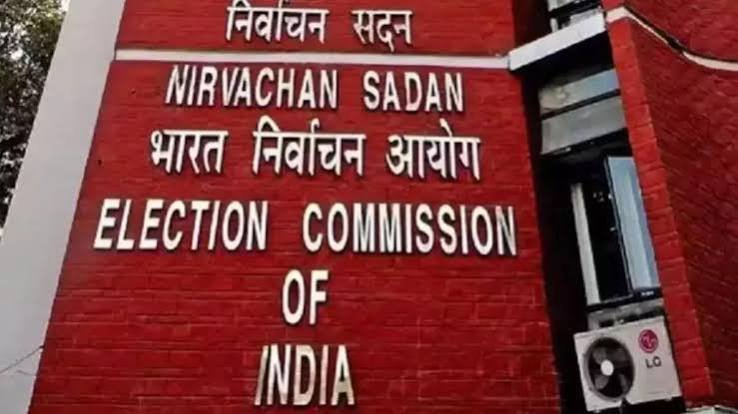
Election authorities will publish the final electoral rolls on February 14, completing the latest voter-list revision process ahead of upcoming state elections. The finalized lists will provide the official electoral record for eligible voters and reflect corrections, additions, and deletions made during the revision exercise.
The publication marks an important stage in election preparations. Moreover, finalized voter rolls help political parties, candidates, election officials, and citizens verify the electorate before polling begins.
Authorities have undertaken the revision process to improve the accuracy of voter records. Furthermore, the final publication follows procedures that allow eligible citizens to raise claims and objections during the designated revision period.
Equal Development Policy: Kipgen Announces Balanced Funding
Final Electoral Rolls Set for February 14
Election authorities will make the finalized voter lists public on February 14.
The publication will conclude the current revision exercise and establish the electoral database that officials will use for upcoming state polls. Additionally, the final rolls will incorporate eligible additions and approved corrections made during the claims and objections process.
This step gives voters a clearer picture of the electorate ahead of the election.
However, citizens should still verify their individual details and report any discrepancies through the appropriate election authorities.
Voter Verification Remains Important
Accurate voter information plays a central role in conducting elections.
During electoral-roll revision, authorities examine voter records and process applications for new registrations, corrections, transfers, and other changes. Moreover, verification helps identify duplicate or outdated entries and improves the overall quality of the database.
The final publication reflects the outcome of this process.
However, voters should not assume that every record remains unchanged after revision.
Claims and Objections Shape Final Lists
The revision process provides opportunities for eligible citizens to raise concerns about voter records.
Applicants can seek inclusion when their names do not appear on the electoral roll. Furthermore, voters can request corrections when authorities record inaccurate personal or address information.
Election officials assess these applications before finalising the lists.
However, citizens should follow the prescribed procedures and provide the required documentation when making claims or objections.
Clean Rolls Support Election Management
A reliable electoral roll helps officials plan polling arrangements.
The number and distribution of registered voters influence polling-station planning, staffing, election materials, and logistical requirements. Additionally, accurate records can help reduce confusion among voters on polling day.
Final rolls therefore serve both voters and election administrators.
However, maintaining accurate electoral data remains an ongoing process rather than a one-time exercise.
Political Parties Can Examine the Lists
Final electoral rolls also provide political parties with an official reference point.
Parties can use voter information to understand constituency-level electoral structures and identify potential discrepancies through lawful procedures. Moreover, political representatives can encourage eligible supporters to verify their registration before polling.
This can improve voter participation.
However, parties and candidates must handle electoral information responsibly and follow applicable election rules.
Voters Should Check Their Details
Citizens can take practical steps before the final publication and upcoming elections.
Voters should check whether their names appear on the electoral roll and verify important details such as constituency information. Furthermore, they should report errors through official election channels rather than relying on informal lists.
Early verification can prevent last-minute difficulties.
However, the presence of a name on a previous draft roll does not necessarily guarantee that the final record contains identical information.
Final Lists Guide Polling Preparations
Once authorities publish the final rolls, election preparations can move forward using the updated electorate.
Officials can finalise polling arrangements and other administrative requirements based on the confirmed voter database. Additionally, election-related communications can use the finalized information to improve coordination.
This creates greater certainty as polling approaches.
However, election authorities may continue to update records through legally permitted processes after the publication date.
Electoral Roll Revision Protects Voter Rights
The revision process has a direct connection with voters’ participation rights.
Eligible citizens need accurate registration records to exercise their franchise. Moreover, transparent procedures for additions and corrections can help ensure that qualified voters do not lose access because of administrative errors.
This makes public access to the final lists particularly important.
However, voters should complete registration procedures within the deadlines established by election authorities.
Digital Access Can Improve Verification
Online electoral services can make voter verification easier.
Citizens can use official election platforms to check registration details, submit eligible applications, and access information about electoral services. Furthermore, digital systems can reduce the need for repeated visits to election offices.
This can make the revision process more accessible.
However, voters should rely on official government and election-authority platforms when checking their information.
February 14 Becomes a Key Election Date
The publication date represents an important milestone in the election calendar.
Once the final electoral rolls become public on February 14, citizens and political stakeholders will have access to the confirmed voter database. Moreover, election authorities can use the finalized figures for subsequent preparations.
The date therefore carries administrative significance beyond simply releasing a document.
However, the final rolls should not be confused with the election schedule itself.
What Happens After Publication?
Following publication, election authorities can continue preparations for the upcoming state polls.
Political parties can review the finalized electorate, while voters can confirm their registration status. Furthermore, citizens who identify problems should use the official mechanisms available for electoral corrections.
These steps can help reduce disputes before polling.
However, specific procedures and deadlines may vary according to the election authority and applicable electoral rules.
Conclusion
The publication of the final electoral rolls on February 14 will mark a significant step in preparations for the upcoming state elections. The finalized voter lists will incorporate approved changes from the revision process and provide the official electoral record for eligible voters.
Moreover, accurate rolls can improve election administration, strengthen voter confidence, and reduce confusion during polling. At the same time, citizens should verify their registration details and use official channels to address any remaining discrepancies.
Overall, February 14 will provide an important checkpoint in the election process as authorities move from voter-list revision toward the next stages of state poll preparations.
FAQs
1. When will the final electoral rolls become public?
Election authorities will publish the finalized voter rolls on February 14.
2. Why are final electoral rolls important?
They provide the official voter database used for election planning and help citizens confirm their registration before polling.
3. Can voters check their names after publication?
Yes. Voters should use official election-authority services to verify their names and registration details.
4. What if a voter’s information contains an error?
Eligible voters can use the prescribed electoral procedures to request corrections or raise appropriate claims with election authorities.
5. Does publication of the final roll mean polling starts immediately?
No. Publication of the final roll represents an important administrative milestone, but the election schedule follows the separate procedures established by the relevant election authorities.