





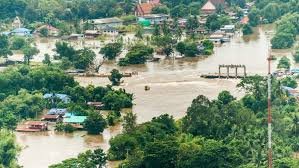
Assam floods have claimed 107 lives as inundation continues across 10 districts, affecting around 1,37,590 people, according to the latest Disaster Reporting and Information Management System (DRIMS) report. The assessment shows that the situation remains active across several parts of the state.
The latest figures also show that floodwaters have affected 28 revenue circles and 456 villages. In addition, 11,933.46 hectares of crop area have been submerged, adding to the impact on communities and agriculture.
Assam floods affect 10 districts
The affected districts are Golaghat, Sivasagar, Hojai, Darrang, Lakhimpur, Jorhat, Karbi Anglong, Charaideo, Nagaon and Biswanath. Golaghat has reported the highest number of affected people, with 68,239 residents impacted.
Sivasagar is the second worst-affected district, with 39,495 people affected. Jorhat follows with 16,259 people facing the effects of the continuing inundation.
Meanwhile, the spread across 10 districts highlights the wide geographical impact of the Assam floods. Authorities continue to monitor water levels and local conditions as floodwaters remain in several areas.
Rivers remain above danger levels
The Central Water Commission has reported that the Dhansiri (South) is flowing above the danger level at Golaghat and Numaligarh. The Kushiyara is also above the danger mark at Sribhumi.
However, no river is currently reported to be above its highest flood level. Even so, continued high water levels can pose risks to low-lying villages, roads, farmland and other infrastructure.
The river situation remains important because changes in water levels can quickly affect nearby settlements. Therefore, residents in vulnerable areas are being urged to remain alert and follow local advisories.
Flood damage adds to pressure
The latest assessment records substantial agricultural losses, with more than 11,900 hectares of crop area submerged. For farming communities, prolonged waterlogging can affect standing crops and delay recovery after waters recede.
The Assam floods have also damaged houses in affected areas. The latest report records 516 damaged houses in Sivasagar, including 176 fully or severely damaged homes and 340 partially damaged houses.
Moreover, the continuing inundation has increased pressure on local administrations to maintain relief, shelter and essential services. The scale of the affected population means that recovery will require sustained support in the impacted districts.
Relief efforts continue
Relief operations have expanded as inundation continues. The latest report lists 125 relief camps and distribution centres, including 52 camps and 73 distribution centres. Around 8,000 people are currently staying in relief camps, including 3,592 men, 3,437 women and 919 children.
Medical and evacuation support is also underway. Authorities have deployed 59 medical teams and 10 boats in affected areas. In Jorhat, 107 people have been evacuated by boat, helping residents where floodwater has disrupted movement.
Sivasagar and Golaghat remain key areas of concern. In Sivasagar, 2,277 hectares of agricultural land are submerged, while 4,649 people are staying in 19 relief camps. In Golaghat, more than 2,006 hectares of cropland have been inundated, underscoring the pressure on farming communities.
Officials are also tracking river levels and conditions in affected villages. For residents, access to shelter, medical care, food and safe evacuation remains a priority while the water recedes.
Assam floods keep communities on alert
The latest figures show that the Assam floods remain a significant challenge despite the absence of rivers crossing their highest flood levels. More than 1.37 lakh people are affected, while hundreds of villages and large areas of cropland remain under water.
Overall, the focus remains on protecting lives, supporting displaced families and limiting further damage. Continued monitoring, timely warnings and coordinated relief will remain important as authorities respond to the ongoing flood situation.