





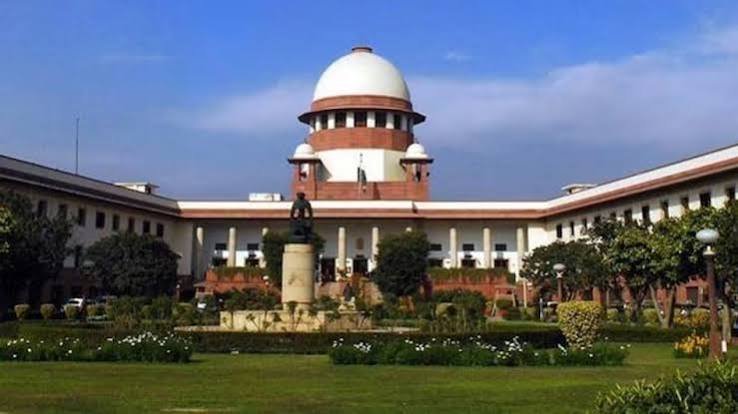
Assam NRC authorities have not yet issued rejection slips to nearly 19 lakh applicants excluded from the final National Register of Citizens (NRC), the Centre told the Supreme Court.
The disclosure came during proceedings concerning the NRC exercise in Assam. The rejection slips are important because they are expected to explain why individual claims for inclusion in the register were rejected.
Centre informs Supreme Court
The Centre’s submission puts the focus back on the unfinished stages of the Assam NRC process. The final NRC was published in 2019 after a lengthy verification exercise involving millions of applications and supporting documents.
According to the final list, 19,06,657 people were excluded from the register, while 3,11,21,004 applicants were included. However, the exclusion did not itself settle the legal status of every person left out of the register.
Instead, applicants excluded from the final list were expected to receive rejection slips explaining the grounds for exclusion. The slips can help applicants understand the reasons behind the decision and pursue available legal remedies.
Why rejection slips matter
The rejection slips have remained a significant issue because they provide details about the decision-making process for individual applicants. Without them, excluded applicants may face difficulty understanding the specific grounds on which their claims failed.
Moreover, the NRC process allows excluded persons to challenge their exclusion through the legal mechanisms available under the applicable framework. Therefore, the issuance of rejection slips has direct importance for those seeking clarity about their status.
The delay also keeps a major part of the NRC process incomplete. The register was prepared under the supervision of the Supreme Court, which monitored several stages of the exercise.
A long and complex verification process
The Assam NRC exercise involved claims from people seeking to establish their eligibility for inclusion. Authorities examined documents linked to citizenship and ancestry, while the process also generated disputes over documentation and verification.
The final list followed years of administrative and judicial proceedings. However, the publication of the list did not end all questions surrounding the exercise.
Assam NRC process remains under scrutiny
The NRC exercise has continued to attract attention because of its implications for citizenship documentation in Assam. The state has a distinctive historical and legal framework governing migration and citizenship, particularly in relation to the Assam Accord.
The 1985 Assam Accord established March 24, 1971, as the cut-off date for determining who would be treated as a foreigner in Assam. The NRC update sought to identify Indian citizens in the state based on documents and records linked to that framework.
At the same time, exclusion from the NRC does not by itself amount to a declaration that a person is a foreign national. Legal proceedings and other statutory processes remain relevant to determining citizenship status.
What happens to excluded applicants
For the nearly 19 lakh people excluded from the final register, rejection slips remain a key document in the next stage of the process. They can indicate the reasons authorities relied on while rejecting an applicant’s claim.
Furthermore, the absence of these documents has kept questions alive about when and how excluded applicants can effectively challenge their exclusion.
The Supreme Court’s continuing involvement therefore remains significant. The court has previously directed and monitored several aspects of the NRC exercise, while government authorities have handled its administrative implementation.
Pending slips keep NRC questions alive
The Centre’s latest submission places the pending rejection slips at the centre of attention once again. For excluded applicants, the documents are not merely administrative paperwork. They can provide the information needed to understand the decision affecting their inclusion in the Assam NRC.
Meanwhile, the broader legal and administrative questions surrounding the register remain unresolved. The eventual issuance of rejection slips could provide greater clarity to applicants and help move the process towards its next legal stages.
Overall, the latest development shows that the 2019 final publication did not mark the complete end of the Assam NRC process. The pending documents remain an important issue for applicants, authorities and the courts.