





Imphal, Manipur: A 48-hour statewide shutdown called by the Native People’s Committee Manipur (NPCM) disrupted normal life across Manipur on October 20. The shutdown began at midnight on October 19 and covered both hill and valley districts. The committee demanded decisive security action over the killing of three Meitei people in the Khongbal Tangkhul area.
As a result, shops, markets, educational institutions and business establishments remained closed. Public transport also faced major disruptions, while protesters staged demonstrations and blocked roads in several locations. Meanwhile, essential services, medical emergencies and flight operations continued.
Read More: Nagaland Minister Urges Effective Use of FNTA
Key Facts About the Manipur Shutdown
- Location: Across Manipur, including hill and valley districts
- Shutdown duration: 48 hours
- Start time: Midnight on October 19
- Organisation: Native People’s Committee Manipur (NPCM)
- Main demand: Action over the killing of three Meitei people
- Affected services: Markets, schools, colleges, businesses and public transport
- Exemptions: Healthcare, fire services, water supply, media and medical emergencies
- Air services: Flight operations continued normally
Shutdown Disrupts Daily Life Across Manipur
The NPCM’s shutdown brought significant disruptions to daily activities across the state. Markets, shops, banks, private offices and commercial establishments remained closed.
Educational institutions, including schools, colleges and universities, also suspended their activities. In addition, public transport services were largely halted, making travel difficult for residents.
Government offices recorded low attendance. Entertainment venues and other commercial facilities also remained shut during the protest.
The impact was more noticeable in the valley districts than in the hill areas. However, the shutdown covered the entire state.
Protesters Block Roads and Stage Demonstrations
Several major roads wore a deserted look during the shutdown. Only vehicles connected with essential services and government duties were seen moving in some areas.
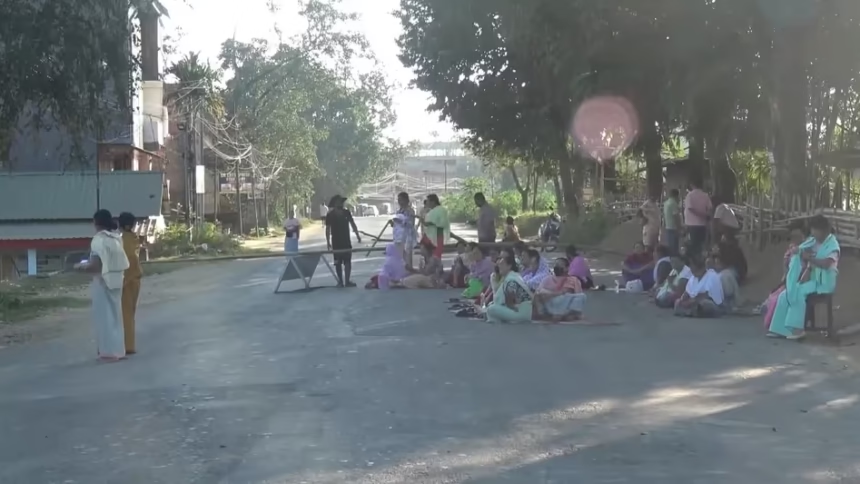
Meanwhile, protesters placed wooden logs across roads at various locations. Women also staged sit-in demonstrations, disrupting traffic and movement.
These protests formed part of the NPCM’s campaign to press the government for stronger security measures. The committee has demanded credible action against armed groups allegedly responsible for the deadly attack.
Inter-State Transport Also Affected
The shutdown affected road connectivity between Manipur and other parts of the country. Inter-state road transport faced disruptions, adding to travel difficulties for passengers and other commuters.
However, flight operations continued normally despite the statewide protest. This provided an alternative travel option for people who needed to reach destinations outside Manipur.
Essential services remained exempt from the shutdown. These included healthcare, fire services, water supply, media activities and religious functions. Medical emergencies and other essential services were also allowed to operate.
NPCM Demands Accountability for Khongbal Tangkhul Attack
The NPCM called the 48-hour shutdown to demand firm government action over the killing of three Meitei people in the Khongbal Tangkhul area.
The attack reportedly left three people dead and several others injured. The committee has called for those responsible to be held accountable.
Furthermore, the NPCM has maintained that protests will continue until the government takes credible steps to address its demands.
The shutdown reflects continuing security concerns in Manipur. The committee is seeking action that it believes will improve accountability and address the circumstances surrounding the killings.
Significance for Manipur and Northeast India
Manipur plays an important role in Northeast India’s road connectivity and regional movement. Therefore, prolonged shutdowns can affect education, trade, public transport and everyday economic activities.
The disruption to inter-state transport also highlights the wider consequences of protests across the state. At the same time, exemptions for essential services helped maintain access to critical facilities.
The situation underscores the importance of addressing security concerns while ensuring the continuity of essential public services.
Frequently Asked Questions
Why was Manipur shut down for 48 hours?
The NPCM called the shutdown to demand action over the killing of three Meitei people in the Khongbal Tangkhul area.
When did the shutdown begin?
It began at midnight on October 19 and continued for 48 hours.
Which services were affected?
Markets, educational institutions, businesses and public transport faced major disruptions.
Did flights operate during the shutdown?
Yes. Flight operations continued normally, although inter-state road transport was affected.
Which services were exempt?
Healthcare, fire services, water supply, media activities, religious functions and medical emergencies were exempt.
The NPCM has called for continued protests until the government demonstrates credible action. Meanwhile, the shutdown has highlighted the impact of security-related protests on daily life and connectivity across Manipur.
Also Read: Assam Eviction Drive Now Clears 638 Hectares of Forest