




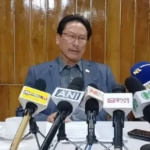
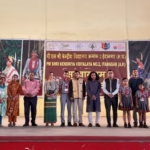

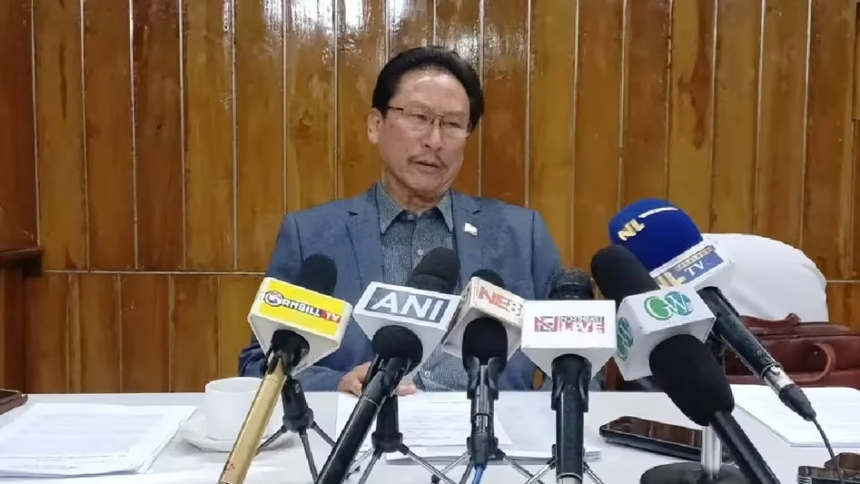
Kohima, Nagaland: Nagaland Minister for Parliamentary Affairs and Power K G Kenye has urged Eastern Nagaland to use the proposed Frontier Nagaland Territorial Authority (FNTA) effectively. He stressed the need for responsible governance, careful financial management and long-term development. Speaking at the silver jubilee celebration of the Eastern Nagaland People’s Union Kohima (ENPUK) on October 20, Kenye highlighted the importance of learning from past experiences. He also urged the community to preserve traditional Naga values while pursuing progress. Furthermore, he said the new administrative arrangement should benefit both present and future generations.
Key Facts About the FNTA
- Location: Kohima, Nagaland
- Minister: K G Kenye, Minister for Parliamentary Affairs and Power
- Organisation: Eastern Nagaland People’s Union Kohima (ENPUK)
- Occasion: ENPUK’s 25th anniversary celebration
- FNTA agreement: Signed on February 5 in New Delhi
- Legislative progress: Nagaland Assembly passed the FNTA Bill, 2026, on September 3
- Main focus: Development, financial management, governance and traditional Naga values
K G Kenye Highlights FNTA’s Development Potential
Addressing the celebration in Kohima, K G Kenye described the FNTA as an important opportunity for Eastern Nagaland. He urged the people to approach the new arrangement with a clear vision.
According to Kenye, the authority should focus on meaningful development. Moreover, its administration must address the needs of local communities. It should also deliver practical results that improve people’s lives.
The minister encouraged the community to learn from past experiences and shortcomings. These lessons, he said, can help people make better decisions. Therefore, careful planning will be essential as Eastern Nagaland prepares for the new administrative framework.
Minister Stresses Responsible Financial Management
Kenye placed particular emphasis on the responsible use of funds. He urged authorities to allocate resources according to the region’s development priorities.
Furthermore, he stressed the importance of considering future generations when making financial decisions. Proper planning can help ensure that public resources deliver lasting benefits.
The minister also highlighted the need for purposeful governance. In his view, the FNTA should focus on practical outcomes rather than administrative changes alone.
Consequently, transparency, accountability and effective planning will be important for the arrangement’s success.
FNTA Agreement and Legislative Progress
The proposed Frontier Nagaland Territorial Authority marks an important development in Eastern Nagaland’s administrative affairs.
On February 5, the Central Government, the Nagaland government and the Eastern Nagaland People’s Organisation (ENPO) signed the FNTA Memorandum of Agreement in New Delhi.
Later, on September 3, the Nagaland Assembly passed the Frontier Nagaland Territorial Authority Bill, 2026. This legislative step paved the way for the arrangement’s implementation.
Against this background, Kenye urged the people to prepare for the proposed framework. He emphasised that responsible administration and a shared commitment to development would be essential.
ENPUK Celebrates 25 Years
The minister also reflected on ENPUK’s 25-year journey. He described the silver jubilee as an opportunity to review the organisation’s achievements and challenges.
Moreover, he encouraged members to learn from past experiences. They should identify areas for improvement and work towards a stronger future.
Kenye also stressed the importance of preserving traditional Naga values. He called for a balanced approach that combines cultural identity with development and administrative progress.
The anniversary celebration provided an opportunity for the community to reflect on its journey. It also encouraged discussions about future priorities.
Importance for Eastern Nagaland and Northeast India
Eastern Nagaland’s development remains an important issue in the region. Discussions often focus on governance, public resources and local needs.
The proposed FNTA could provide a framework for addressing these priorities. However, its long-term impact will depend on effective implementation and responsible financial management.
Additionally, community participation will be important in ensuring that development efforts reflect local aspirations. The region must also balance administrative progress with cultural preservation.
Kenye’s message highlighted the importance of planning for sustainable development. Ultimately, the success of the proposed arrangement will depend on how effectively it serves the people.
Frequently Asked Questions
What is the Frontier Nagaland Territorial Authority (FNTA)?
The FNTA is a proposed administrative arrangement for Eastern Nagaland. The Central Government, the Nagaland government and ENPO signed its agreement.
Who urged people to use the FNTA effectively?
Nagaland Minister K G Kenye made the appeal during ENPUK’s silver jubilee celebration in Kohima.
When was the FNTA agreement signed?
The Memorandum of Agreement was signed on February 5 in New Delhi.
What did K G Kenye emphasise?
He stressed responsible governance, careful financial management, long-term development and traditional Naga values.
Why is the FNTA important for Eastern Nagaland?
The arrangement offers an opportunity to address regional development priorities. However, its effectiveness will depend on implementation and responsible use of resources.