





By using this site, you agree to the Privacy Policy and Terms of Use.
Accept
Hindustan PioneerHindustan Pioneer
  • Home
  • Business
  • News
  • Education
  • Entertainment
  • Lifestyle
  • Travel
  • Web Stories
Reading: The Risk Of Developing Fatty Liver Disease Is Higher When An Individual Does Not Get Sufficient Sleep
Share
Notification Show More
Latest News
Teachers attending a training session after the Supreme Court extended the TET qualification deadline until 2028.
Supreme Court Extends TET Deadline
June 1, 2026
Historic Pushpabanta Palace in Agartala undergoing transformation into a luxury heritage hotel.
Exclusive: Taj Pushpabanta Palace Project Begins
June 1, 2026
Chief Minister Dr. Manik Saha inaugurating welfare and infrastructure projects worth ₹61 crore
CM Launches ₹61 Crore Welfare Projects
June 1, 2026
Newly constructed Civil Hospital in Agartala prepared for inauguration and public healthcare services.
Agartala Civil Hospital Opens June 17
June 1, 2026
Street vendors receiving financial assistance under the PM SVANidhi scheme to expand and strengthen their businesses.
PM SVANidhi Loans Empower 9,300 Street Vendors
June 1, 2026
Aa
Aa
Hindustan PioneerHindustan Pioneer
  • Home
  • Business
  • News
  • Education
  • Entertainment
  • Lifestyle
  • Travel
  • Web Stories
Follow US
  • Advertise
  • Editorial Policy
  • Contact Us
© 2022 Foxiz News Network. Ruby Design Company. All Rights Reserved.
Home » Blog » The Risk Of Developing Fatty Liver Disease Is Higher When An Individual Does Not Get Sufficient Sleep
Health

The Risk Of Developing Fatty Liver Disease Is Higher When An Individual Does Not Get Sufficient Sleep

Reporter
By Reporter Published March 26, 2023 3 Min Read
Share
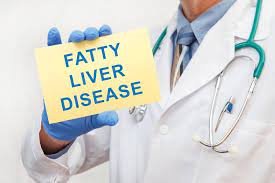
Fatty Liver Disease
SHARE

Fatty liver disease is a condition where there is an accumulation of fat in the liver cells. This condition can lead to liver damage, inflammation, and even liver failure. While the fatty liver disease is commonly associated with alcohol consumption, there is another risk factor that is often overlooked: inadequate sleep.

The importance of sleep for overall health cannot be overstated. During sleep, our bodies undergo various restorative processes, including repairing and rejuvenating our organs. Lack of sleep has been linked to a range of health problems, including diabetes, obesity, and cardiovascular disease. Recent studies have also shown that inadequate sleep can increase the risk of developing fatty liver disease.

One study conducted by researchers at the University of California, San Francisco, found that individuals who slept for less than six hours per night had a 27% increased risk of developing the fatty liver disease compared to those who slept for at least seven hours per night. The study involved over 1,600 middle-aged adults who were followed for five years.

The link between inadequate sleep and fatty liver disease is thought to be due to disruptions in the body’s metabolic processes. During sleep, the body regulates its insulin sensitivity and glucose metabolism. When sleep is disrupted, the body may become less sensitive to insulin, which can lead to an accumulation of glucose in the blood. This, in turn, can lead to an increase in fat production and storage in the liver.

Additionally, lack of sleep has been shown to increase levels of cortisol, a stress hormone that can contribute to the development of fatty liver disease. Cortisol can increase insulin resistance and cause the body to store more fat, particularly in the liver.

So, what can be done to reduce the risk of fatty liver disease associated with inadequate sleep? The most obvious solution is to ensure that you are getting enough sleep each night. Adults should aim for between 7-9 hours of sleep per night. If you are having trouble sleeping, several strategies can help, including establishing a regular sleep schedule, avoiding caffeine and alcohol before bedtime, and creating a relaxing bedtime routine.

Exercise has also been shown to improve sleep quality and reduce the risk of fatty liver disease. Exercise can help regulate insulin sensitivity, improve glucose metabolism, and reduce stress levels, all of which can contribute to a healthier liver.

Getting adequate sleep is essential for maintaining overall health and reducing the risk of a range of diseases, including fatty liver disease. By prioritizing sleep and making lifestyle changes to improve sleep quality, individuals can take steps to protect their liver and promote overall wellness.


You Might Also Like

Mizoram Fake Court Orders Jail Scam Exposed

Nagaland Earthquake Tremors Felt Across Mokokchung Region

N-Gen Post Office: Post Launches 100th Digital Service Centre

Nathula Border Trade: Sikkim Commerce Set for Major Revival

Mizoram Water Mission: State Signs Major Jal Jeevan Mission

TAGGED: Fatty liver disease, Health, Hindustan Pioneer, Hindustanpioneer, sufficient sleep
Reporter March 26, 2023
Share this Article
Facebook Twitter Whatsapp Whatsapp LinkedIn Copy Link
Previous Article Meet Mr. Aditya Kumar – A Successful Entrepreneur and Philanthropist!
Next Article Uttarakhand news The State Of Uttarakhand Has Introduced A Project That Uses QR Codes To Discourage People From Throwing Plastic Bottles
Leave a comment

Leave a Reply Cancel reply

You must be logged in to post a comment.

Stay Connected

- Advertisement -

Latest News

Teachers attending a training session after the Supreme Court extended the TET qualification deadline until 2028.
Supreme Court Extends TET Deadline
News
Historic Pushpabanta Palace in Agartala undergoing transformation into a luxury heritage hotel.
Exclusive: Taj Pushpabanta Palace Project Begins
News
Chief Minister Dr. Manik Saha inaugurating welfare and infrastructure projects worth ₹61 crore
CM Launches ₹61 Crore Welfare Projects
News
Newly constructed Civil Hospital in Agartala prepared for inauguration and public healthcare services.
Agartala Civil Hospital Opens June 17
News

© 2022-2026 Hindustan Pioneer. All Rights Reserved.

  • About Us
  • Editorial Policy
  • Our Team
  • Contact Us

Removed from reading list

Undo
Welcome Back!

Sign in to your account

Lost your password?