







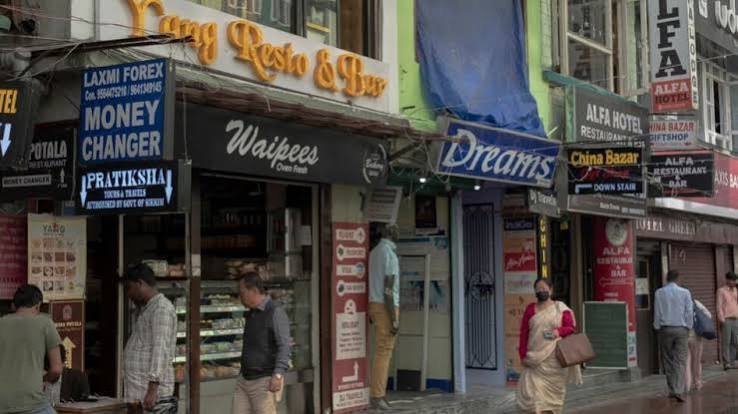
Sikkim shops and commercial establishments have received a temporary exemption from the mandatory weekly closure until December 31, 2026.
The state government has allowed eligible establishments to remain open during the period. The decision is expected to support commercial activity while giving businesses greater flexibility during the remaining months of the year.
The exemption applies to shops and commercial establishments covered by the relevant state rules. However, establishments must continue to follow other applicable labour and workplace regulations.
Sikkim shops can remain open until December 31
The exemption provides relief from the requirement to close establishments for one day every week. It will remain effective until December 31, giving businesses more operating days during the festive and year-end period.
For retailers and other commercial establishments, additional operating days can help them respond to customer demand. The move also gives businesses greater flexibility in managing working hours and staffing.
Meanwhile, the government has not removed other legal obligations that apply to employers and workers. The weekly closure exemption therefore does not mean that establishments can disregard rules governing employment conditions.
Sikkim shops gain flexibility during busy months
The decision comes as businesses prepare for increased commercial activity toward the end of the year. Festive shopping, tourism-related demand and year-end purchases can create additional pressure on retailers and service providers.
Sikkim has a strong tourism-dependent economy, and commercial establishments in major towns and tourist areas often serve both residents and visitors. Therefore, longer operating flexibility can be useful for businesses that experience changing customer flows.
Moreover, the temporary nature of the exemption gives the government scope to review the arrangement after December 31. Businesses can use the additional flexibility while the order remains in force.
Rules for commercial establishments remain important
Although Sikkim shops have received the closure exemption, establishments still need to comply with other applicable provisions. Employers must continue to observe requirements relating to workers, wages, working conditions and other statutory obligations.
The exemption from weekly closure should therefore be viewed as a limited relaxation rather than a broader suspension of labour regulations.
Additionally, individual establishments may need to follow other requirements depending on their nature of business. Authorities can continue to monitor compliance with applicable laws during the exemption period.
For workers, existing protections and statutory rights remain relevant. Employers must ensure that changes in operating schedules do not result in violations of other workplace requirements.
Temporary measure offers business support
The move provides businesses with greater control over their weekly operating schedules at a time when demand can vary significantly. Retailers may choose to use the additional operating days according to their business needs.
However, the exemption does not necessarily require every establishment to open throughout the week. Individual businesses can determine their operating arrangements within the framework of applicable laws and the government order.
The measure could also benefit customers by providing more opportunities to access shops and services. This may be particularly useful in areas where commercial activity increases during weekends or festive periods.
Sikkim shops await December 31 deadline
The weekly closure exemption is currently limited to December 31, 2026. Therefore, its continuation beyond that date would depend on any further decision by the state government.
Until then, Sikkim shops and commercial establishments covered by the order can make use of the temporary relaxation while continuing to meet other legal requirements.
Overall, the decision offers short-term operational flexibility without removing the broader regulatory framework governing commercial establishments. It gives businesses additional room to respond to demand while keeping existing statutory responsibilities in place.