




The FCRA issue has triggered a strong response from Meghalaya Chief Minister Conrad K Sangma, who on Tuesday called any appeal for foreign intervention in India’s domestic lawmaking process “very inappropriate”. He said legislation concerning the country must be decided by Indian institutions and elected representatives.
Sangma’s remarks came amid a political row over Congress MP Saleng A Sangma’s outreach to representatives from several foreign countries regarding the proposed Foreign Contribution (Regulation) Amendment Bill, 2026. The Tura MP has said he sought appeals from outside India to raise concerns about the proposed changes.
FCRA issue raises sovereignty concerns
Sangma said the FCRA issue should be addressed through India’s democratic and parliamentary institutions. He argued that seeking intervention from external agencies goes beyond the country’s sovereignty and independence.
“The entire steps that were taken were not appropriate at all,” the chief minister said, adding that India makes laws through Parliament and state legislatures for its people. He also stressed that suggestions from outside are different from asking foreign groups to intervene in the legislative process.
However, the chief minister did not seek to prolong the political dispute. Instead, he said a mistake had been made and urged political leaders to focus on finding a practical solution.
FCRA issue linked to proposed amendments
The FCRA issue centres on proposed changes to the law governing foreign contributions received by organisations in India. The proposed amendments have raised concerns among several organisations in Meghalaya, including institutions involved in education, healthcare, social welfare and community services.
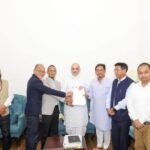
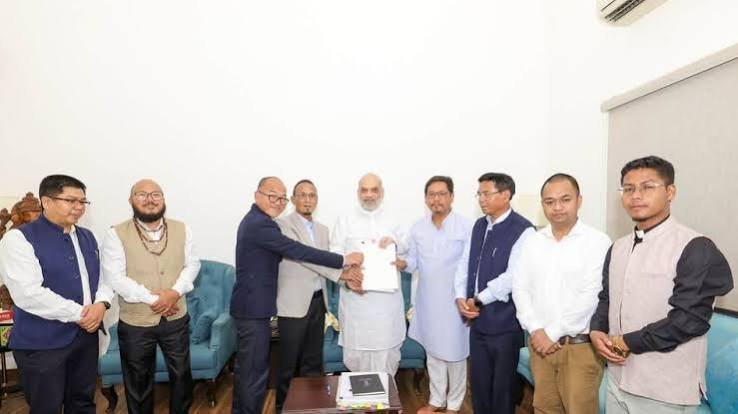
The Meghalaya government has previously raised these concerns directly with the Centre. In July, Sangma met Union Home Minister Amit Shah and highlighted the possible impact of the proposed changes on religious, educational, charitable and social welfare institutions in the state.
The state government has argued that many such institutions provide essential services, particularly in rural and remote areas.
Saleng Sangma seeks international support
The latest controversy followed comments by Tura MP Saleng A Sangma. He said he had approached representatives from the United States, Australia, South Korea, England, Mexico and African countries, asking them to appeal to the Government of India over the proposed FCRA amendments.
Saleng Sangma has defended his outreach as an effort to draw attention to concerns surrounding the proposed legislation. Church and community leaders in Meghalaya have also expressed concern that stricter rules could affect institutions that depend on foreign contributions to operate schools, hospitals, hostels and welfare programmes.
Nevertheless, Conrad Sangma drew a clear distinction between raising concerns and seeking external intervention.
FCRA issue needs a balanced approach
The chief minister said the FCRA issue affects different stakeholders and should not become a tool for political division. He called on elected representatives across party lines to work together and examine both sides of the debate.
According to Sangma, the government must understand the Centre’s objective of regulating and monitoring foreign contributions while also addressing concerns raised by Christian institutions in Meghalaya. He said a middle path should protect legitimate organisations without weakening regulatory safeguards.
Meanwhile, Deputy Chief Minister Prestone Tynsong has also said the proposed amendments are not limited to Christian organisations. He said the provisions could affect all organisations receiving foreign contributions and backed the decision to send the Bill to a Joint Parliamentary Committee for scrutiny.
Meghalaya seeks dialogue on FCRA issue
The Meghalaya government has already taken steps to help organisations dealing with FCRA-related procedures. In August, the state announced plans for an FCRA Cell within the Home Department to assist organisations with applications, renewals and compliance while coordinating with the Centre.
Therefore, the state’s position combines concern over the proposed amendments with continued engagement with the Union government. Sangma has now urged leaders to keep political differences aside and work collectively.
For the Meghalaya chief minister, the immediate priority is to protect the interests of legitimate institutions while respecting India’s authority to make its own laws.