




Introduction
In a recent turn of events, Udhayanidhi Stalin, the Youth Welfare Minister of Tamil Nadu and son of Chief Minister MK Stalin, has ignited a political firestorm with his remarks against “Sanatana Dharma,” leading to a strong reaction from the Trinamool Congress (TMC) and the Bharatiya Janata Party (BJP).
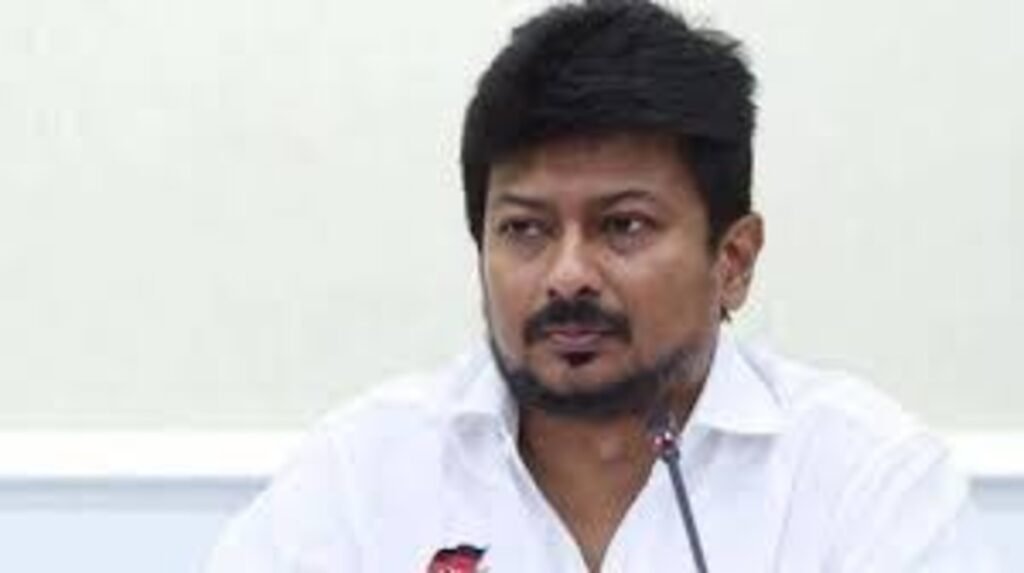
Stalin, during a public address, alleged that “Sanatana Dharma” is incompatible with equality and social justice, advocating for its eradication. He even went on to compare it to infectious diseases like coronavirus, malaria, and dengue fever, stating that such beliefs should be not just opposed but completely destroyed.
The TMC, led by spokesperson Kunal Ghosh, swiftly condemned these remarks, emphasizing India’s cultural diversity and the need to respect all religions. Ghosh asserted that the Opposition-led INDIA bloc disassociates itself from such statements, urging condemnation of such divisive rhetoric regardless of the speaker’s identity.
BJP Reacts
The BJP, on the other hand, reacted vehemently, labeling Udhayanidhi’s remarks as “hate speech.” Union Home Minister Amit Shah accused the INDIA bloc of insulting “Sanatana Dharma” for the sake of vote bank politics and appeasement. The party even demanded an apology from Udhayanidhi and submitted a protest letter to the state’s resident commissioner in Delhi.
Moreover, the BJP alleged that the opposition alliance’s primary agenda is the “complete eradication” of Hindu dharma, and they have urged the Supreme Court to take appropriate action against Udhayanidhi. Virendra Sachdeva, the president of the BJP’s Delhi unit, urged leaders of the INDIA bloc to clarify their stance on Udhayanidhi’s remarks, accusing him of delivering a “hate speech against 100 crore Sanatan Dharmi Indians.”
Despite facing backlash, Udhayanidhi Stalin remained unfazed, asserting that he speaks for the oppressed and is prepared to face any challenges, whether in a court of law or in the court of public opinion.
Conclusion
This controversy has not only stirred political tensions in Tamil Nadu but has also drawn national attention, highlighting the significance of religious tolerance and diversity in India’s cultural fabric. The repercussions of these comments and the political fallout surrounding them are likely to continue dominating headlines in the days to come.