





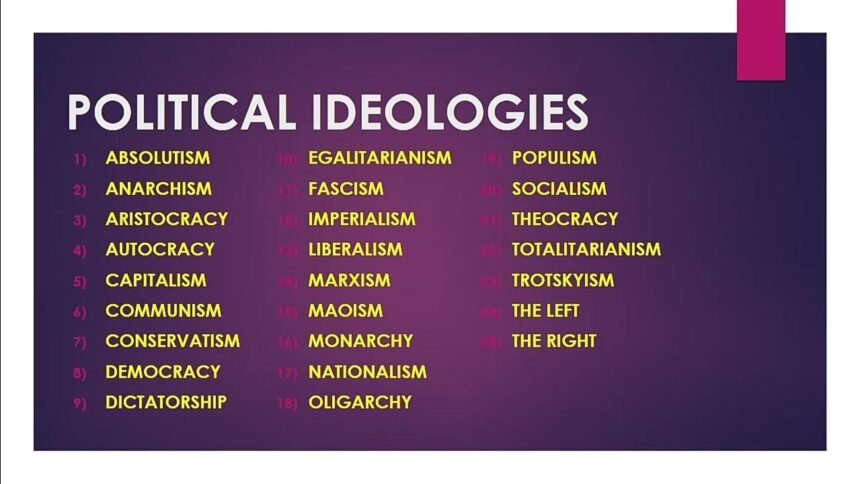
In today’s complex political landscape, it is crucial to have a clear understanding of the various ideologies that shape our societies. Political ideologies play a significant role in shaping public policies, influencing elections, and determining the direction a country takes. To navigate this intricate web of beliefs, it is essential to comprehend the diverse perspectives that exist across the political spectrum. In this article, we aim to provide a comprehensive guide to political ideologies, shedding light on their core principles, historical context, and contemporary relevance.
At the heart of political ideologies lie fundamental principles and values that guide the vision of a particular group or movement. From the far-left to the far-right, political ideologies span a wide spectrum, representing a range of beliefs on social, economic, and governance issues. By gaining a deeper understanding of these ideologies, we can engage in more informed discussions, promote constructive dialogues, and make better-informed decisions as citizens.
Starting on the left side of the spectrum, we encounter ideologies such as socialism and communism. These ideologies emphasize social equality, collective ownership of resources, and the redistribution of wealth. With their roots in Marxist theories, they seek to address societal inequalities and create a more egalitarian society. As we move towards the center-left, ideologies like social democracy advocate for a balance between free markets and government intervention, aiming to provide essential social services and ensure a level playing field for all.
In the center of the political spectrum, we find ideologies such as liberalism and conservatism. Liberalism champions individual freedoms, limited government intervention, and protection of civil rights. On the other hand, conservatism stresses the preservation of traditional values, institutions, and a cautious approach to change. These ideologies often form the basis of democratic systems and are crucial in shaping public policies.
As we venture towards the right side of the spectrum, we encounter ideologies such as libertarianism and classical liberalism. These ideologies emphasize individual liberty, minimal government intervention, and free markets. They advocate for limited government control and promote personal responsibility and free choice in economic and social matters.
Finally, on the far-right of the spectrum, we find ideologies like fascism and authoritarianism. These ideologies prioritize strong central authority, nationalism, and often exclude or discriminate against certain groups. It is important to note that while these extreme ideologies are less prevalent in contemporary politics, understanding their historical context is essential to recognize the dangers they pose to democratic societies.
It is crucial to approach political ideologies with an open mind, acknowledging that they are not monolithic and can vary in practice. Moreover, political ideologies can evolve over time, adapting to new challenges and societal changes. Engaging in constructive discussions and seeking common ground can help bridge ideological divides and promote a more inclusive and prosperous society.
Understanding political ideologies is fundamental to navigate the complex political landscape of today. By comprehending the core principles and historical context of various ideologies across the spectrum, we can actively participate in democratic processes, engage in informed debates, and work towards a society that reflects our shared values. Let us embrace the opportunity to broaden our knowledge and engage in respectful conversations that transcend ideological boundaries, for it is through understanding that we can foster a more harmonious and progressive world.