




Climate change is a worldwide phenomenon with widespread repercussions, including an escalation in the frequency and intensity of wildfires. The warming climate is setting the stage for fast-spreading, destructive wildfires, posing significant challenges for communities, ecosystems, and economies worldwide.
There is a clear correlation between climate change and wildfires. As temperatures rise, so does the risk of wildfires. Hotter, drier conditions create the ideal environment for wildfires to ignite and spread rapidly. In addition, climate change is altering precipitation patterns, leading to longer periods of drought in some regions. Dry vegetation becomes more susceptible to ignition, further fueling wildfires.
The impacts of wildfires are widespread and devastating. They can destroy homes, infrastructure, and natural habitats, leading to loss of life and property. The smoke and ash from wildfires can also have serious health effects, exacerbating respiratory conditions and causing air pollution. Furthermore, wildfires can have long-term environmental consequences, such as soil erosion, loss of biodiversity, and disruption of ecosystems.
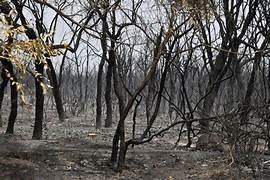
In recent years, several regions around the world have experienced unprecedented wildfires. In Australia, the 2019-2020 bushfire season, dubbed the “Black Summer,” was one of the most severe in history, burning millions of hectares of land, destroying thousands of homes, and killing dozens of people. The fires were fueled by record-breaking temperatures and prolonged drought conditions.
Similarly, in the western United States, the 2020 wildfire season was one of the most destructive on record, burning over 10 million acres of land and causing widespread devastation. The fires were fueled by a combination of dry conditions, high temperatures, and strong winds, exacerbated by climate change.
In addition to causing immediate damage, wildfires can have lasting economic impacts. The cost of firefighting efforts, property damage, and loss of productivity can run into the billions of dollars. Furthermore, the long-term effects of wildfires, such as soil erosion and loss of biodiversity, can have significant economic consequences for communities that rely on natural resources for their livelihoods.
Addressing the growing threat of wildfires requires a multifaceted approach. First and foremost, efforts to mitigate climate change are crucial. Reducing greenhouse gas emissions and transitioning to renewable energy sources can help slow the pace of climate change and reduce the risk of wildfires. In addition, land management practices, such as controlled burns and forest thinning, can help reduce the fuel load and make ecosystems more resilient to wildfires.
Community preparedness is also key. Educating the public about wildfire risks and implementing measures to protect homes and infrastructure, such as creating defensible spaces and using fire-resistant building materials, can help minimize the impact of wildfires. Furthermore, investing in early detection and firefighting technology can improve response times and reduce the spread of wildfires.
Ultimately, responding to the peril of wildfires necessitates a united effort at the local, national, and global scales. By enacting proactive measures to diminish wildfire hazards and mitigate their repercussions, we can safeguard communities, ecosystems, and economies from the mounting menace of climate change.