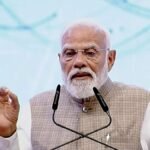


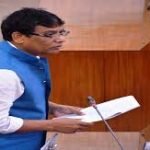



The inaugural ministerial meeting of the India-EU Trade and Technology Council (TTC) took place in Brussels on Tuesday, marking a significant step towards fostering enhanced cooperation between the two sides in the fields of digital and clean technology. The meeting, co-chaired by Indian External Affairs Minister S Jaishankar, Commerce and Industry Minister Piyush Goyal, and Communications, Electronics, and IT Minister Rajeev Chandrasekhar, aimed to lay the foundation for a sustainable future through joint efforts and collaboration.
During the meeting, the Indian and EU delegations engaged in fruitful discussions centered around leveraging digital and clean technology to realize their shared vision of a sustainable future. The talks were held in a positive and constructive atmosphere, reflecting the mutual commitment to strengthening India-EU ties and promoting bilateral trade and technology exchanges.
Following the meeting, Minister Goyal took to Twitter to express his satisfaction with the discussions. He mentioned a productive stakeholder meeting that involved the participation of European Commission Executive Vice President Margrethe Vestager, as well as his colleagues Ministers Jaishankar and Chandrasekhar. Goyal emphasized the importance of India and the EU working together to enhance cooperation in digital and clean technology, as it would contribute significantly to achieving their shared vision for a sustainable future.
The India-EU Trade and Technology Council serves as a platform for high-level discussions and cooperation between India and the European Union, focusing on trade, investment, and technology-related matters. The establishment of this council underscores the commitment of both sides to deepen their engagement and explore new avenues of collaboration in areas of common interest. It provides an opportunity to address challenges, identify synergies, and forge strategic partnerships that will benefit both India and the EU.
Digital technology plays a crucial role in today’s interconnected world, enabling innovation, economic growth, and societal transformation. By enhancing cooperation in this domain, India and the EU aim to harness the potential of digitalization for inclusive and sustainable development. Collaborative efforts in areas such as cybersecurity, digital infrastructure, e-commerce, and data protection can foster a secure and conducive environment for digital trade and investment between the two sides.
Clean technology, on the other hand, holds immense promise for addressing pressing global challenges such as climate change and environmental degradation. By leveraging clean technology solutions, India and the EU can work towards reducing carbon emissions, promoting renewable energy, enhancing energy efficiency, and adopting sustainable practices across various sectors. Joint research and development initiatives, technology transfers, and capacity building programs can facilitate the exchange of knowledge and expertise, paving the way for a greener and more sustainable future.
The India-EU Trade and Technology Council’s inaugural ministerial meeting sets a positive precedent for future engagements and collaborations. It reaffirms the shared commitment of both sides to deepen their partnership and explore new avenues of cooperation. By focusing on digital and clean technology, India and the EU are aligning their efforts with global sustainability goals and demonstrating their determination to tackle complex challenges through joint action.
As the world increasingly recognizes the importance of international cooperation and collective action, the India-EU Trade and Technology Council serves as a shining example of strategic collaboration. It not only strengthens India-EU relations but also contributes to global efforts towards building a sustainable and resilient future. The discussions held during the inaugural meeting lay the foundation for a dynamic and mutually beneficial partnership that can unlock immense opportunities for economic growth, technological advancement, and sustainable development.