




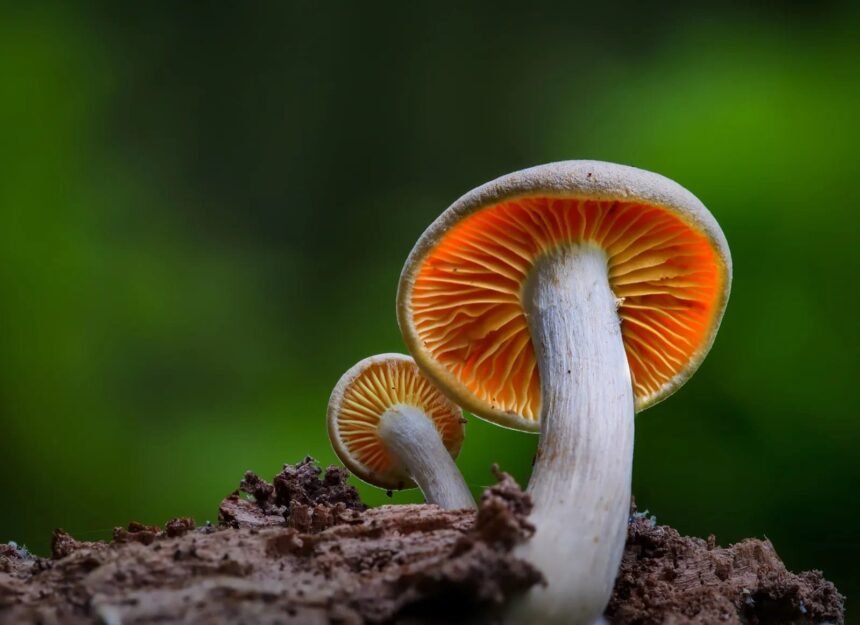
The Commissionerate of Food Safety under the Health & Family Welfare Department, Government of Meghalaya, has issued a public health advisory warning residents about the dangers of wild mushroom poisoning and chemical contamination of water sources. Officials said toxic wild mushrooms cause deaths in several districts every year.
They also warned that climate change has made it harder to identify safe mushrooms. In addition, heavy rainfall can carry harmful agricultural chemicals into rivers and ponds. Therefore, residents should consume only cultivated mushrooms from trusted sources and protect public water bodies from pollution.
Read More: BTR Conservation Expansion Project Unveiled – Hindustan Pioneer
Key Facts
- Location: Meghalaya
- Department: Commissionerate of Food Safety, Health & Family Welfare Department
- Main Concern: Wild mushroom poisoning and water contamination
- Cause: Climate change, erratic rainfall, and agricultural runoff
- Public Advisory: Eat only cultivated mushrooms from trusted sources
- Emergency Advice: Visit the nearest health centre immediately if poisoning symptoms appear
Climate Change Raises Wild Mushroom Poisoning Risk
The Government of Meghalaya has warned residents not to collect or eat wild mushrooms. Every year, toxic mushrooms claim lives in several districts across the state.
Officials said climate change has made the risk even greater. Rising temperatures and irregular monsoon patterns have changed the natural environment. As a result, mushrooms now grow in different places and at different times.
Moreover, mushrooms react quickly to changes in weather. They may develop dangerous toxins when environmental conditions become unstable. Wildlife contamination and changing growing conditions can also increase the risk.
The advisory explained that traditional knowledge is no longer enough to identify safe mushrooms. Therefore, people should not rely only on experience while collecting mushrooms from forests.
Officials also stressed that there is no quick or reliable test to identify poisonous mushrooms. For this reason, residents should buy only cultivated mushrooms from trusted and verified sellers.
Warning Against Water Pollution
The Commissionerate also warned people about chemical contamination of public water sources. Heavy rainfall can wash pesticides and other chemicals into rivers, ponds, and streams.
In addition, washing pesticide sprayers near public water bodies can pollute drinking water. Using insecticides and fungicides close to these sources also increases health risks.
Therefore, farmers and residents should handle agricultural chemicals responsibly. They should also avoid disposing of chemical waste near water bodies.
Health Department Urges Quick Medical Care
Anyone who develops symptoms after eating wild mushrooms should visit the nearest health centre without delay. Early treatment can improve the chances of recovery.
Meanwhile, the Health Department has asked village authorities to spread awareness about the advisory. They should also encourage residents to follow the safety guidelines during the monsoon season.
Why This Advisory Matters
Meghalaya receives heavy rainfall and has rich forest ecosystems. As a result, many rural families traditionally collect wild mushrooms for food.
However, climate change has altered natural growing patterns. Therefore, experts believe old foraging practices may no longer be safe. The advisory aims to reduce preventable deaths and protect public health across Meghalaya and the Northeast.
Questions and Answers
Q1. What has the Meghalaya Government warned about?
A: The government has warned residents about poisonous wild mushrooms and chemical contamination of water sources.
Q2. Why are wild mushrooms becoming more dangerous?
A: Climate change, rising temperatures, and erratic rainfall have made mushroom growth less predictable.
Q3. Can people easily identify poisonous mushrooms?
A: No. Officials said there is no instant or reliable test to identify toxic wild mushrooms.
Q4. What mushrooms should people eat?
A: People should consume only cultivated mushrooms purchased from trusted sources.
Q5. What should someone do if poisoning is suspected?
A: They should seek immediate medical treatment at the nearest health centre.
Also Read: Congress Emerges as Largest Opposition Party in Assam Assembly – Borok Times