







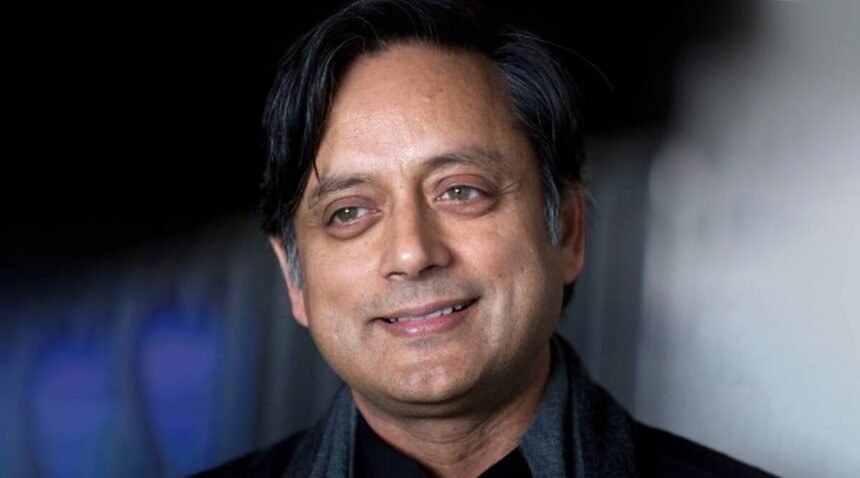
Renaming historic landmarks and places has always been a contentious issue, with debates often arising over the motivations and implications of such changes. Recently, the renaming of Rajpath, a prominent boulevard in India’s capital city, New Delhi, to Kartavya Path has sparked a new wave of controversy. Congress leader Shashi Tharoor has joined the discussion, criticizing the decision as “pure politics.”
Tharoor expressed his views during a panel discussion on the book, ‘British Takeover of India: Modus Operandi,’ held at the India International Centre. While acknowledging that some places have acquired significant meaning and sentiment for Indians over the years, Tharoor advocated for the renaming of locations named after “obscure Brits” and replacing them with Indian names.
However, Tharoor questioned the effectiveness of renaming cities like Bombay, Calcutta, and Madras, which were changed to Mumbai, Kolkata, and Chennai, respectively. He pondered whether such alterations truly achieved their intended purpose or were merely cosmetic changes with no substantial impact.
In the case of Rajpath, Tharoor highlighted that the name itself, derived from the Hindi word “raj,” meaning “rule” or “kingdom,” is rooted in the Indian language. This fact led him to conclude that renaming Rajpath to Kartavya Path was a move driven solely by political motivations rather than a genuine attempt to restore Indian heritage and culture.
The decision to rename Rajpath came as part of a larger initiative by the ruling government to shed what they perceive as remnants of British colonial influence and reclaim India’s historical identity. While proponents of the change argue that it is a necessary step toward decolonization, critics like Tharoor question the impact and necessity of altering names that have become ingrained in the collective consciousness of the Indian people.
Tharoor’s assertion that renaming places after Indians is a more significant gesture serves as a call to prioritize recognition of Indian heroes and leaders. He believes that instead of renaming landmarks with Indian names that hold little historical or cultural significance, it would be more fitting to honor Indian luminaries who have made substantial contributions to the nation’s progress.
The debate surrounding the renaming of streets, cities, and institutions is complex and multifaceted. It involves considerations of historical significance, cultural identity, and the impact on public sentiment. While there is merit to the argument that renaming can be a form of reclaiming and asserting national identity, critics caution against the mere symbolic nature of some changes and emphasize the need for meaningful actions that honor India’s rich history and diverse heritage.
As the conversation on renaming continues, it remains to be seen whether the decision to rename Rajpath will be reconsidered or if it will be upheld as a statement of political will. The opinions of figures like Shashi Tharoor contribute to a broader dialogue that seeks to strike a balance between acknowledging the past and embracing the future, while ensuring that such changes reflect the genuine aspirations and aspirations of the Indian people.

