


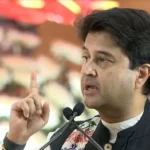



Suvendu Adhikari Breaks Barricades at State Election Commission Office, Accuses State Election Commission of Hindering Free and Fair Elections in West Bengal
Introduction:
In a dramatic turn of events, West Bengal Leader of Opposition (LoP) and Bharatiya Janata Party (BJP) leader Suvendu Adhikari, along with his supporters, broke open the barricades at the State Election Commission Office in Kolkata. This incident occurred a day after the Calcutta High Court directed the deployment of central forces in sensitive districts ahead of the panchayat polls in West Bengal. Adhikari and his followers alleged that the State Election Commission was not allowing the central forces to take charge and hindering the process of filing nominations, which could undermine the conduct of free and fair elections in the state.
Challenges in the Nomination Process:
Sukanta Majumdar, a BJP spokesperson, highlighted the challenges faced by candidates in filing nominations in several blocks across West Bengal. He criticized the State Election Commission for its alleged failure to work properly and implement the directives of the Calcutta High Court. Majumdar expressed concerns that if the situation continued, it would compromise the integrity of the upcoming elections. He emphasized the need for the State Election Commission to address these issues promptly and ensure a level playing field for all political parties.
Adhikari’s Statement and Allegations:
Suvendu Adhikari, a prominent leader in West Bengal and a vocal critic of Chief Minister Mamata Banerjee, accused the State Election Commission of attempting to undermine democracy. Adhikari asserted that the actions of the commission were reflective of Mamata Banerjee’s alleged “jungle raj” (lawlessness) in the state. He rallied his supporters, vowing to protest against these perceived attempts to suppress democratic processes.
Adhikari further argued against the deployment of central forces in West Bengal, contrary to the Calcutta High Court’s directive. He claimed that there were no sensitive booths in the state and thus no need for the presence of central forces. This statement created a sharp contrast between the positions of Adhikari and the court, highlighting the underlying political tensions in the lead-up to the panchayat polls.
Calcutta High Court’s Verdict and Implications:
The Calcutta High Court refused to entertain public interest litigations (PILs) seeking an extension of the nomination filing deadline for the panchayat polls. Instead, the court left the decision on the matter to the discretion of the State Election Commission. However, it did issue an order for the requisition and deployment of central forces in all areas designated as sensitive by the commission.
This verdict by the High Court underlined its recognition of the importance of maintaining law and order during the electoral process. By mandating the presence of central forces, the court aimed to ensure the protection of candidates and voters in sensitive areas, thereby enhancing the prospects of free and fair elections.
Conclusion:
The dramatic act of breaking barricades by Suvendu Adhikari at the State Election Commission Office in Kolkata reflects the mounting tensions surrounding the upcoming panchayat polls in West Bengal. Adhikari and his supporters accused the State Election Commission of obstructing the nomination process and impeding the functioning of the central forces. On the other hand, the Calcutta High Court sought to address these concerns by directing the deployment of central forces in sensitive districts. The clash between these differing perspectives has intensified the political climate in the state and underscored the significance of ensuring transparent and unbiased electoral processes. As the panchayat polls approach, the actions and decisions of key stakeholders will play a crucial role in determining the outcome and the future political landscape .