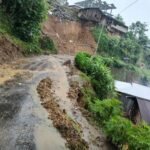






The Indian Army has launched Operation Jal Rahat to support rescue and relief efforts as severe floods continue to affect eastern Assam. The worst-hit districts include Charaideo, Sivasagar, and Jorhat, where rising floodwaters have displaced thousands of residents and damaged critical infrastructure. Army and Assam Rifles personnel are conducting search and rescue operations alongside state authorities, while the Indian Air Force remains on standby for emergency assistance.
According to the Assam State Disaster Management Authority (ASDMA), more than 57,100 people across seven districts have been affected, and the state’s flood-related death toll has risen to five. Relief operations continue as authorities monitor the evolving situation and prepare for further rainfall.
Read More: Nagaland Issues Rain Advisory Amid Landslides and Floods
Key Facts
- State: Assam
- Operation: Operation Jal Rahat
- Agencies Involved: Indian Army, Assam Rifles, Indian Air Force (standby), State Administration, Disaster Response Teams
- Worst-Hit Districts: Charaideo, Sivasagar, Jorhat
- People Affected: Over 57,100
- Districts Affected: Charaideo, Dhemaji, Dibrugarh, Jorhat, Sivasagar, Tinsukia, Udalguri
- Flood Death Toll (2026): 5
- Infrastructure Damage: Railway tracks damaged, two embankments breached
- Relief Operations: Ongoing across affected districts
Indian Army Launches Operation Jal Rahat
The Indian Army has launched Operation Jal Rahat to strengthen rescue and relief operations as floods continue to impact several districts in eastern Assam. As a result, Army personnel have joined civil authorities and disaster response teams to rescue stranded residents and deliver emergency assistance.
Meanwhile, the Assam Rifles have deployed additional teams to support search and rescue missions in flood-affected areas. The Indian Air Force (IAF) also remains on standby to provide aerial assistance if the situation worsens.
Officials said rescue teams have already evacuated several people trapped by rising floodwaters and continue to monitor vulnerable locations.
Floods Disrupt Transport and Damage Infrastructure
The ongoing floods have severely disrupted transportation across eastern Assam. Floodwaters damaged sections of railway tracks and toppled rail infrastructure, affecting train services in the region.
In addition, at least two embankments have breached, allowing floodwaters to inundate nearby villages and agricultural land. The overflowing rivers have affected thousands of families and increased the challenges for rescue teams.
Authorities continue to assess infrastructure damage while working to restore connectivity wherever conditions permit.
Chief Minister Reviews Relief Operations
Chief Minister Himanta Biswa Sarma has deputed ministers Bimal Bora and Susanta Borgohain to the worst-affected districts to oversee rescue and relief efforts.
Furthermore, the state government has instructed senior ministers and officials to remain on the ground, monitor the situation closely, and ensure that relief materials reach affected communities without delay.
The government has also coordinated with disaster management agencies to speed up rescue operations and provide essential assistance to flood victims.
Over 57,000 People Affected Across Seven Districts
According to the Assam State Disaster Management Authority (ASDMA), the flood situation worsened on July 19 after continuous rainfall raised river levels across several districts.
The agency reported that one person died in Sivasagar, taking Assam’s flood-related death toll to five this year.
Moreover, the number of affected people has increased sharply from nearly 24,000 a day earlier to more than 57,100 across seven districts.
The affected districts include Charaideo, Dhemaji, Dibrugarh, Jorhat, Sivasagar, Tinsukia, and Udalguri.
Charaideo and Dhemaji Among Worst-Hit Districts
Charaideo remains the worst-affected district, with nearly 24,000 residents impacted by flooding.
Similarly, Dhemaji has reported more than 22,000 affected people, while Dibrugarh has recorded over 4,000 residents facing flood-related hardships.
Floodwaters have submerged homes, roads, and agricultural fields, forcing many families to seek safer locations.
Rescue teams continue evacuating stranded people and distributing relief materials in vulnerable areas.
Rescue and Relief Operations Continue
The Indian Army, Assam Rifles, local administration, and disaster response agencies continue working together to assist affected communities.
Additionally, authorities are monitoring weather forecasts as continued rainfall could worsen flooding in low-lying areas.
Emergency teams remain prepared to conduct additional rescue operations wherever required, while relief camps continue providing food, drinking water, and essential supplies to displaced families.
Officials have urged residents living near rivers and flood-prone areas to follow government advisories and cooperate with rescue personnel.
Question & Answer
Q: What is Operation Jal Rahat?
A: Operation Jal Rahat is the Indian Army’s rescue and relief mission to support flood-affected communities in Assam.
Q: Which districts are the worst affected?
A: Charaideo, Sivasagar, and Jorhat are among the worst-hit districts, while flooding has also affected Dhemaji, Dibrugarh, Tinsukia, and Udalguri.
Q: How many people have been affected?
A: More than 57,100 people across seven districts have been affected by the floods.
Q: What damage has the flood caused?
A: Floodwaters have damaged railway tracks, breached two embankments, submerged villages, and disrupted transportation.
Q: What is the current flood death toll?
A: According to ASDMA, the flood-related death toll in Assam has reached five this year.
Location Context
Assam is one of Northeast India’s most flood-prone states due to its extensive river network, including the Brahmaputra and its tributaries. Floods frequently disrupt transportation, agriculture, and livelihoods during the monsoon season, making timely rescue operations and disaster preparedness essential for protecting communities across the region.