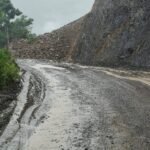






The Nagaland Government has issued a statewide advisory after continuous heavy rainfall triggered landslides, flash floods, and widespread waterlogging across several districts. The government has directed all District Disaster Management Authorities (DDMAs) to remain on high alert, activate emergency response systems, and monitor vulnerable areas.
Authorities are evacuating residents from high-risk locations, maintaining essential supplies, restoring blocked roads, and ensuring public safety. Meanwhile, officials have urged people to avoid unnecessary travel, stay away from swollen rivers, and rely only on official updates during the ongoing weather emergency.
Read More: Manipur Landslide Blocks NH-37 in Noney Amid Heavy Rain
Key Facts
- State: Nagaland
- Reason for Advisory: Heavy rainfall causing landslides, flash floods, and waterlogging
- Issued By: Government of Nagaland
- Emergency Authorities: District Disaster Management Authorities (DDMAs)
- Emergency Centres: District Emergency Operations Centres (DEOCs)
- Priority: Public safety, evacuation, and restoration of connectivity
- Equipment Deployed: JCBs, excavators, and other earth-moving machinery
- Emergency Helplines: 1070 (Toll-Free), 112 (ERSS), 0370-2270129/30 (SEOC Help Desk)
Heavy Rain Prompts Statewide Alert
The Nagaland Government has intensified disaster preparedness after relentless rainfall triggered landslides, flash floods, and severe waterlogging across several parts of the state. As a result, authorities have strengthened emergency measures to protect lives and minimize disruption.
The government has instructed every District Disaster Management Authority (DDMA) to remain on high alert and monitor local conditions around the clock. At the same time, officials have activated District Emergency Operations Centres (DEOCs) to coordinate rescue operations and provide immediate assistance wherever required.
The advisory places the highest priority on public safety. Therefore, district administrations must implement emergency measures without delay whenever weather conditions become dangerous.
Authorities Evacuate Residents from High-Risk Areas
District administrations have started identifying vulnerable locations and relocating residents from severely waterlogged, low-lying, and landslide-prone areas. In particular, officials are focusing on settlements located near unstable embankments, hillsides, and riverbanks.
Meanwhile, authorities continue inspecting vulnerable zones to assess changing weather conditions. If rainfall intensifies, they will evacuate additional families to safer locations.
These preventive actions aim to reduce the risk of injuries, fatalities, and damage to homes during the ongoing spell of heavy rain.
Government Ensures Availability of Essential Supplies
The state government has directed district authorities to review the availability of food, drinking water, fuel, medicines, and other essential commodities. In addition, officials are maintaining adequate stock to ensure uninterrupted supplies even if landslides temporarily block transportation routes.
Furthermore, district administrations are coordinating with healthcare departments to keep medical services operational and deliver relief materials wherever communities require assistance.
Emergency Teams Restore Road Connectivity
Authorities are keeping communication systems operational across the state to improve coordination among emergency responders. Where necessary, they are establishing rapid communication networks to ensure quick information sharing.
Meanwhile, district administrations have deployed JCBs, excavators, and other heavy machinery to remove mudslides, debris, and fallen trees from highways and major roads. Consequently, emergency services and supply vehicles will be able to reach affected areas more efficiently once road clearance progresses.
Officials continue monitoring road conditions because persistent rainfall may trigger additional landslides.
Power Department Takes Preventive Safety Measures
District administrations are working closely with the Power Department to prevent electrical accidents in flood-affected areas. Whenever floodwaters rise, officials will disconnect electricity supply in submerged localities to reduce the risk of electrocution.
After water levels recede, technical teams will inspect damaged infrastructure and restore power as quickly as possible after confirming that conditions are safe.
These precautionary measures will help protect residents while ensuring essential services return without unnecessary delays.
Public Asked to Stay Alert and Avoid Rumours
The Nagaland Government has urged citizens to avoid unnecessary travel, particularly on landslide-prone roads and highways. Additionally, district authorities are issuing advisories on alternate travel routes wherever road blockages occur.
The government has also advised people not to fish, swim, or venture near swollen rivers, overflowing drains, or riverbanks because strong currents can become life-threatening.
Finally, officials have appealed to citizens to rely only on verified information from government agencies and avoid sharing rumours or unverified social media posts that could create unnecessary panic.
Emergency Helplines Remain Operational
The State Emergency Operation Centre has asked residents to contact emergency services immediately if they require assistance during the ongoing weather situation.
The emergency contact numbers are:
- 1070 – Toll-Free Emergency Helpline
- 112 – Emergency Response Support System (ERSS)
- 0370-2270129 / 0370-2270130 – State Emergency Operation Centre Help Desk
Authorities have assured the public that emergency teams remain ready to respond as weather conditions continue to evolve across the state.
Question & Answer
Q: Why has the Nagaland Government issued a statewide advisory?
A: Continuous heavy rainfall has triggered landslides, flash floods, and widespread waterlogging across several districts.
Q: Which authorities are leading the emergency response?
A: District Disaster Management Authorities (DDMAs), along with District Emergency Operations Centres (DEOCs), are coordinating rescue and relief operations.
Q: Who will authorities evacuate?
A: Officials will relocate residents living in low-lying, waterlogged, landslide-prone areas and settlements near unstable embankments or riverbanks.
Q: What precautions should people take?
A: Residents should avoid unnecessary travel, stay away from swollen rivers, follow official advisories, and avoid spreading unverified information.
Q: Which emergency numbers are available?
A: Citizens can contact 1070 (Toll-Free), 112 (ERSS), or 0370-2270129/30 (SEOC Help Desk) during emergencies.
Location Context
Nagaland is one of the hilly states in Northeast India where heavy monsoon rainfall frequently triggers landslides and flash floods. The state’s mountainous terrain makes road connectivity and emergency response particularly challenging during prolonged rain. Therefore, timely disaster preparedness, coordinated rescue operations, and uninterrupted supplies remain essential for protecting communities across the region.
Also Read: TTAADC Executive Council Delay Sparks Governance Concerns