





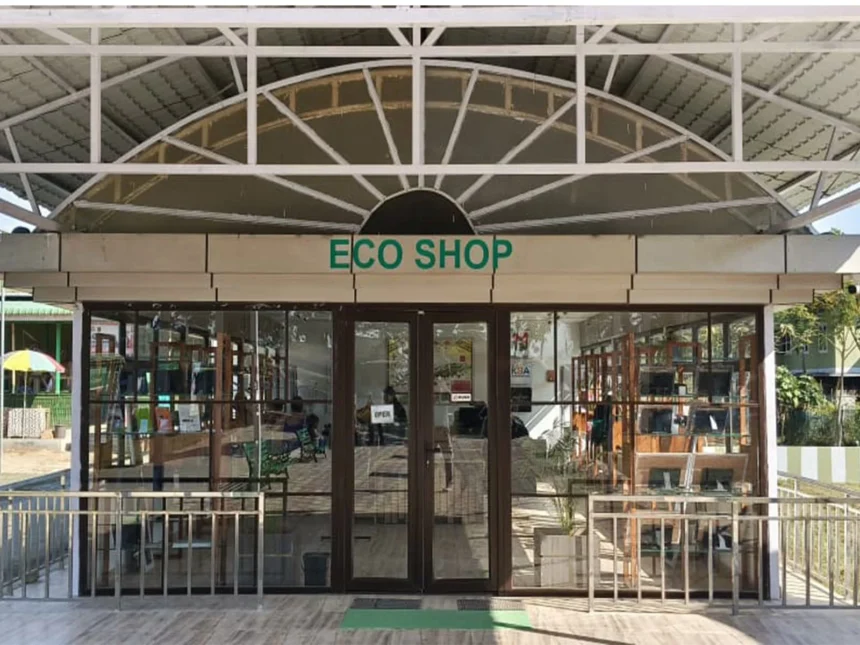
Kaziranga, Assam: Kaziranga National Park and Tiger Reserve has expanded its community-based conservation efforts by launching its Eco-Shop on Amazon and the Government e-Marketplace (GeM). The initiative aims to connect locally made, biodiversity-linked products with national and international buyers while creating better income opportunities for fringe communities.
Moreover, the move will strengthen market access for artisans, promote sustainable livelihoods, and showcase the region’s rich cultural heritage. Officials believe the online expansion will increase product visibility, generate consistent demand, and support long-term economic growth for local producer groups.
Read More: Mizoram SASCI seeks ₹650 crore investment aid – Prime 24 Seven
Eco-Shop Records Strong Sales Growth
The Eco-Shop, managed by the Kaziranga Staff Welfare Society, has already demonstrated strong growth. During 2024-25, it recorded sales worth ₹1.24 crore. Subsequently, sales increased to ₹1.87 crore in 2025-26, reflecting rising demand for locally crafted products.
Field Director Dr. Sonali Ghosh said the initiative will help artisans and producer groups from villages surrounding Kaziranga reach wider markets. Additionally, the online platforms will enable customers across India and abroad to purchase products inspired by the region’s biodiversity and traditional craftsmanship.
Wide Range of Eco-Friendly Products
The Eco-Shop offers a wide variety of eco-friendly products, including handloom textiles, woodcraft items, pickles, honey, and water hyacinth products. Furthermore, many products feature traditional wildlife motifs and natural dyes sourced from local resources, highlighting Kaziranga’s ecological identity.
Under the Ministry of Textiles’ SAMARTH scheme, more than 300 women have received skill development training. As a result, many of their woven products now reach larger markets through the Eco-Shop platform.
Empowering Local Communities Through Conservation
Dr. Ghosh emphasized that the training programmes build upon traditional ecological knowledge and handloom expertise. Therefore, artisans can transform local skills and biodiversity knowledge into high-quality products that appeal to modern consumers.
The initiative also aligns with Kaziranga’s Eco-Development Committee mandate, which promotes community participation in conservation. In addition, it supports artisanal enterprises and contributes to the socio-economic development of local communities.
Key Facts
- Project: Launch of Kaziranga Eco-Shop on Amazon and GeM
- Location: Kaziranga National Park and Tiger Reserve, Assam
- Managed By: Kaziranga Staff Welfare Society
- Key Official: Dr. Sonali Ghosh, Field Director
- Sales in 2024-25: ₹1.24 crore
- Sales in 2025-26: ₹1.87 crore
- Products Sold: Handloom textiles, woodcraft, honey, pickles, water hyacinth products
- Women Beneficiaries: More than 300 under the SAMARTH scheme
- Objective: Strengthen livelihoods and promote community-based conservation
Questions and Answers
What has Kaziranga National Park launched?
Kaziranga National Park has launched its Eco-Shop on Amazon and the Government e-Marketplace (GeM).
Why is the initiative important?
The initiative helps local artisans reach wider markets while supporting sustainable livelihoods and conservation efforts.
What products are available through the Eco-Shop?
Customers can purchase handloom textiles, woodcraft items, honey, pickles, and water hyacinth products.
How many women have benefited from the programme?
More than 300 women have benefited through skill development training under the SAMARTH scheme.
How much revenue has the Eco-Shop generated?
The Eco-Shop generated ₹1.24 crore in 2024-25 and increased sales to ₹1.87 crore in 2025-26.
Location Context
Kaziranga National Park in Assam is one of Northeast India’s most important biodiversity hotspots and a globally recognized wildlife destination. Therefore, initiatives that combine conservation with community livelihoods play a crucial role in promoting sustainable development and protecting the region’s natural heritage.
Also Read: Meghalaya Introduces Common Exams for Classes 6–9