



BJP Village Council Elections take a decisive turn as Chief Minister Dr. Manik Saha confirms that the party will contest the upcoming Village Council polls independently. This move signals a strategic shift, aiming to strengthen grassroots influence and test electoral strength without alliances.
Grand Celebration of Sikkim Statehood Anniversary Marks 50 Years Pride
BJP Village Council Elections Mark Strategic Shift
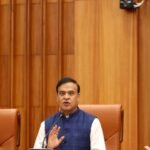
Chief Minister Dr. Manik Saha has clearly stated that the Bharatiya Janata Party will contest the upcoming Village Council polls independently. This decision marks a major strategic shift in the political landscape. Previously, alliances often played a key role in local elections. However, the party now aims to test its standalone strength at the grassroots level.
Moreover, this move reflects growing confidence within the party’s leadership. By choosing to go solo, the BJP seeks to directly connect with voters and build a stronger local presence. As a result, political analysts expect intense competition across constituencies.
CM Manik Saha Emphasizes Independent Approach
Dr. Manik Saha emphasized the importance of self-reliance in the upcoming polls. He stated that the party has built a solid organizational structure across rural areas. Therefore, the leadership believes that it can secure victories without external support.
In addition, he highlighted that the party workers have consistently engaged with local communities. Because of this, the BJP expects strong voter support in Village Council regions. This independent approach aims to showcase the party’s true electoral strength.
Impact on Local Political Dynamics
The decision will significantly impact local political dynamics. Earlier, alliances often influenced voter behavior and seat distribution. Now, with the BJP contesting alone, opposition parties may need to rethink their strategies.
Furthermore, this move could lead to multi-cornered contests in several areas. Consequently, voters will have more choices, which may increase electoral competition. Political observers believe that this change will reshape campaign narratives at the grassroots level.
Strengthening Grassroots Presence
The BJP has focused heavily on strengthening its grassroots network. Over the years, the party has expanded its reach in rural regions through organizational efforts and development initiatives. As a result, it now feels confident enough to contest independently.
Additionally, local leaders have played a crucial role in building trust among voters. They have actively addressed community issues and participated in development programs. Therefore, the party expects these efforts to translate into electoral gains.
Opposition Parties Face New Challenges
Opposition parties now face new challenges due to this decision. Without a unified alliance, they may struggle to counter the BJP’s organized campaign. Moreover, internal divisions could weaken their overall performance.
At the same time, some opposition groups may attempt to form alliances to consolidate votes. However, such efforts will require strong coordination and shared objectives. Consequently, the political landscape may witness new alliances emerging before the elections.
Voter Perspective and Expectations
Voters will play a crucial role in determining the outcome of these elections. Many residents prioritize development, infrastructure, and local governance. Therefore, candidates must address these concerns effectively.
Furthermore, voters may appreciate the opportunity to evaluate parties independently. This situation allows them to make clearer choices based on performance rather than alliance politics. As a result, the elections could reflect genuine public sentiment.
Election Campaign Strategies
The BJP is expected to focus on targeted campaign strategies. These may include door-to-door outreach, public meetings, and digital engagement. Additionally, the party will likely highlight its governance record and development achievements.
On the other hand, opposition parties may emphasize local issues and criticize government policies. Consequently, campaign narratives will revolve around performance, promises, and credibility.
Future Political Implications
This decision may have long-term political implications. If the BJP performs well, it will strengthen its position in future elections. Moreover, it could encourage the party to adopt similar strategies in other regions.
Conversely, if the results do not meet expectations, the party may reconsider alliance strategies. Therefore, these elections will serve as a crucial test of the party’s grassroots strength.
FAQs
1. Why did BJP decide to contest Village Council polls alone?
The party aims to test its independent strength and strengthen its grassroots presence without relying on alliances.
2. Who announced the decision?
Chief Minister Dr. Manik Saha officially announced that the BJP will contest the elections solo.
3. How will this affect opposition parties?
Opposition parties may face challenges in forming strong alliances and competing against a unified BJP campaign.
4. What impact will this have on voters?
Voters will have the opportunity to evaluate parties independently, which may lead to more transparent electoral choices.
5. What are the expected campaign strategies?
The BJP will likely focus on grassroots outreach and development achievements, while opposition parties may highlight local issues.