



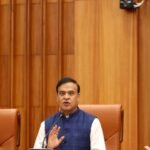

TTAADC Reform Roadmap gains momentum as Pradyot Debbarman outlines a comprehensive plan to clean up the system within the Tripura Tribal Areas Autonomous District Council. This initiative focuses on transparency, accountability, and administrative efficiency to strengthen governance and public trust.
TTAADC Reform Roadmap Signals Major Governance Shift
Pradyot Debbarman has introduced a bold reform plan to transform the functioning of the Tripura Tribal Areas Autonomous District Council. This initiative aims to bring transparency and efficiency into the administrative system. Moreover, the roadmap focuses on eliminating irregularities and strengthening institutional accountability.
As a result, this announcement has generated significant attention across political and administrative circles. The reform plan reflects a clear intention to improve governance standards and restore public confidence.
Focus on Transparency and Accountability
The reform plan prioritizes transparency in decision-making processes. Debbarman has emphasized the need to ensure that administrative actions remain open and accountable to the public. Therefore, the roadmap includes measures to monitor financial activities and reduce misuse of resources.
In addition, the leadership plans to introduce stricter checks and balances. These steps will help prevent corruption and improve overall efficiency. Consequently, citizens can expect a more responsible governance framework.
Administrative Cleanup and System Strengthening
The roadmap strongly emphasizes cleaning up existing administrative structures. Debbarman has pointed out inefficiencies and systemic gaps that require immediate attention. Hence, the reform plan includes restructuring departments and improving workflow processes.
Furthermore, the initiative seeks to modernize governance practices. By adopting better management systems, the council aims to deliver faster and more effective services. This approach will strengthen institutional performance over time.
Empowering Local Governance Structures
The reform initiative also focuses on empowering local governance bodies within the council. Strong local institutions play a crucial role in addressing community needs. Therefore, the roadmap encourages decentralization and better coordination among departments.
Additionally, the leadership aims to involve local representatives more actively in decision-making. This step will ensure that policies reflect ground realities. As a result, governance will become more inclusive and responsive.
BJP Village Council: BJP Village Council Elections Solo Move
Addressing Public Concerns and Building Trust
Public trust remains a key priority in this reform effort. Debbarman has acknowledged concerns related to inefficiency and lack of transparency. Consequently, the roadmap includes mechanisms to address grievances effectively.
Moreover, improved communication between authorities and citizens will play a vital role. By keeping the public informed, the council can build stronger relationships with communities. This effort will enhance credibility and trust.
Political and Administrative Implications
The reform roadmap carries significant political implications. It positions the leadership as proactive and reform-oriented. At the same time, it sets new expectations for governance standards within the region.
Furthermore, opposition groups may closely monitor the implementation of these reforms. They may raise questions if progress does not meet expectations. Therefore, successful execution will remain crucial for long-term impact.
Challenges in Implementation
Despite its ambitious goals, the roadmap may face several challenges. Resistance from within the system could slow down reforms. Additionally, limited resources and administrative constraints may affect implementation speed.
However, strong leadership and consistent monitoring can address these issues. By maintaining focus and accountability, the council can overcome obstacles and achieve its objectives.
Future Outlook for TTAADC Governance
The reform initiative has the potential to reshape governance in the region. If implemented effectively, it can improve service delivery and administrative efficiency. Moreover, it can set a benchmark for other regional councils.
In the long run, this roadmap may strengthen democratic institutions and promote sustainable development. Therefore, its success will have far-reaching implications for governance in Tripura.
FAQs
1. What is the TTAADC Reform Roadmap?
It is a governance initiative introduced by Pradyot Debbarman to improve transparency, accountability, and efficiency within the council.
2. What is the main goal of the reform plan?
The primary goal is to clean up the administrative system and strengthen governance structures.
3. How will the reforms impact citizens?
Citizens can expect better service delivery, increased transparency, and improved grievance redressal systems.
4. What challenges could the roadmap face?
Challenges may include internal resistance, resource limitations, and administrative hurdles.
5. Why is this reform important?
It is important because it aims to restore public trust and enhance governance quality in the region.