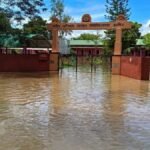





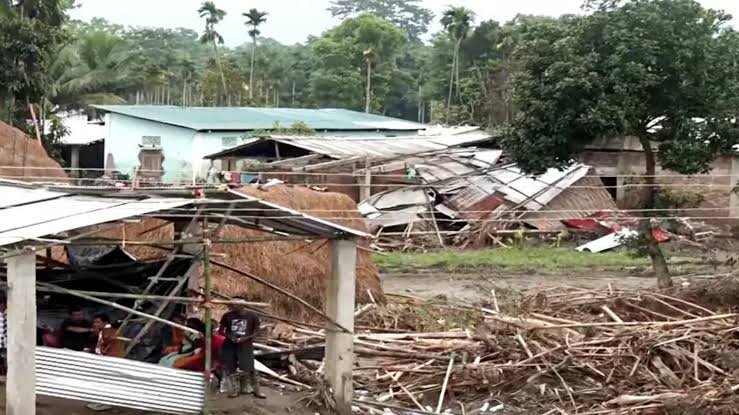
The Flood Relief Assistance programme has received a major boost as the Central Government allocated ₹2,536.96 crore for 263 flood mitigation and anti-erosion projects across the Northeast. According to the available information, the funding aims to strengthen flood protection, reduce erosion risks, and improve the resilience of vulnerable communities across the region.
The Flood Relief Assistance announcement highlights the Centre’s focus on strengthening disaster preparedness and protecting infrastructure in flood-prone areas. According to the available information, the approved funding will support projects designed to address flooding and riverbank erosion across northeastern states.
The Northeast faces recurring monsoon-related challenges, including river flooding, erosion, landslides, and damage to roads and public infrastructure. Moreover, preventive investments can help communities prepare for extreme weather and reduce the long-term impact of natural disasters.
The latest funding decision underscores the importance of coordinated disaster management. Therefore, targeted mitigation projects can play a significant role in protecting settlements, farmland, transport networks, and other critical assets.
The scale of the allocation also reflects the need for region-wide intervention. Additionally, anti-erosion measures can help protect riverbanks and reduce displacement risks in vulnerable areas.
Flood Relief Assistance Supports 263 Mitigation and Anti-Erosion Projects
The Flood Relief Assistance package covers 263 projects focused on flood mitigation and anti-erosion measures across the Northeast. According to the available information, the Centre allocated ₹2,536.96 crore to support these initiatives.
Moreover, flood mitigation projects can include measures designed to strengthen vulnerable areas and improve their ability to withstand intense rainfall and rising water levels. Consequently, such investments can reduce damage during future flood events.
Anti-erosion projects also remain important for communities living near rivers and vulnerable waterways. Furthermore, effective riverbank protection can help safeguard agricultural land, roads, homes, and public infrastructure.
The available information confirms the overall allocation and number of projects. However, it does not specify the state-wise distribution of funds, individual project costs, implementation timelines, or the exact locations of all 263 projects.
Centre Strengthens Flood Relief Assistance Across Northeast
The Flood Relief Assistance allocation represents a broader effort to strengthen disaster resilience across northeastern states. Authorities will need to coordinate project implementation with state governments and relevant agencies.
Additionally, preventive infrastructure can reduce dependence on emergency response after floods occur. This approach supports long-term disaster preparedness while protecting communities and public assets.
Flood management requires continuous planning because rainfall patterns and river conditions can vary significantly across the region. Meanwhile, timely execution of approved projects will remain important for ensuring that allocated resources deliver practical benefits.
The available information does not indicate whether the projects will begin simultaneously or follow state-specific schedules. Therefore, the current development focuses on the Centre’s allocation for 263 mitigation and anti-erosion projects.
Further details may emerge regarding project locations, implementation agencies, and construction timelines.
Flood Relief Assistance Highlights Northeast Disaster Resilience Needs
The Flood Relief Assistance initiative highlights the continuing need for stronger disaster resilience across the Northeast. The region’s complex terrain, extensive river systems, and heavy monsoon rainfall create recurring risks for communities and infrastructure.
Moreover, investment in prevention can provide long-term benefits by reducing physical damage and economic disruption. Consequently, flood mitigation remains an important component of regional development planning.
The allocation also creates an opportunity to improve coordination between disaster management agencies and local administrations. Similarly, community-level preparedness can complement infrastructure projects and strengthen emergency response capabilities.
Protecting vulnerable communities requires both immediate relief and long-term mitigation. Therefore, the Flood Relief Assistance package demonstrates the importance of investing in preventive infrastructure rather than relying solely on post-disaster response.
As implementation progresses, future updates may provide more information about individual projects and their impact on flood-prone communities.
Conclusion
The Flood Relief Assistance initiative has received substantial financial support after the Central Government allocated ₹2,536.96 crore for 263 flood mitigation and anti-erosion projects across the Northeast. The funding aims to strengthen flood protection and reduce risks associated with river erosion.
Furthermore, effective implementation will remain essential to ensure that vulnerable communities receive meaningful protection from recurring weather-related hazards. Continued monitoring and coordination can improve the impact of these investments.
Overall, the Flood Relief Assistance allocation highlights the importance of disaster preparedness, flood mitigation, anti-erosion infrastructure, and climate resilience across Northeast India.
FAQs
1. What is the latest Flood Relief Assistance update?
The Flood Relief Assistance update confirms that the Central Government allocated ₹2,536.96 crore for 263 flood mitigation and anti-erosion projects across the Northeast.
2. How many projects will receive funding?
The allocation covers 263 flood mitigation and anti-erosion projects.
3. How much funding has the Centre allocated?
The Central Government allocated ₹2,536.96 crore for the projects.
4. What are the projects designed to address?
The projects focus on reducing flood risks and protecting vulnerable areas from riverbank erosion.
5. Will all Northeast states receive funding?
The available information confirms that the allocation covers projects across the Northeast but does not provide a detailed state-wise distribution.