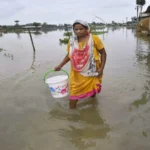





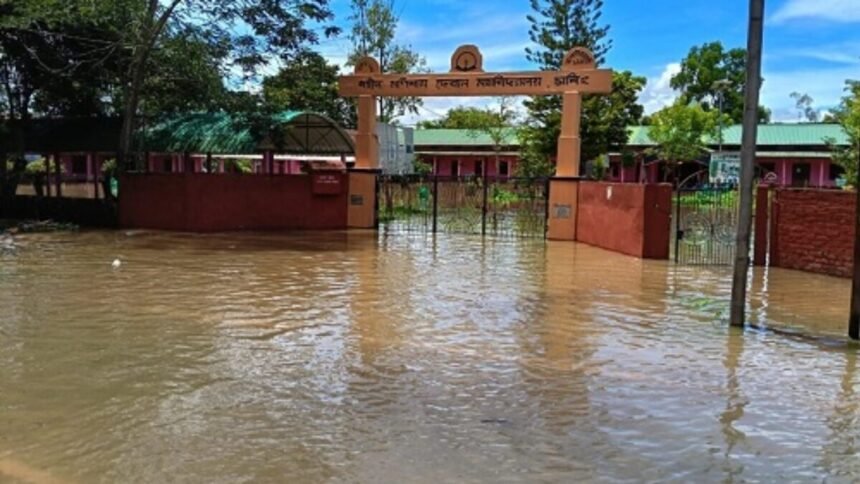
The School Vacation Row has intensified in Assam as the Sivasagar District School Inspector formally sought an extension of the summer vacation because of persistent waterlogging. The request reflects concerns about student safety, school accessibility, and the condition of educational infrastructure amid difficult weather conditions.
The School Vacation Row has also generated political attention, with the proposed extension becoming part of a wider debate over how authorities should respond to weather-related disruptions. Meanwhile, schools and families face practical challenges as waterlogging affects transportation and access to educational institutions.
Waterlogging can make roads difficult to navigate and disrupt normal school operations. Moreover, keeping schools closed during hazardous conditions can help authorities prioritize student safety while local conditions improve.
The latest development highlights the challenges that extreme weather can create for education systems. Therefore, decisions regarding school schedules require careful consideration of both academic requirements and public safety.
School Vacation Row Focuses on Student Safety
The School Vacation Row centres on the formal request from the Sivasagar District School Inspector to extend the summer vacation because of waterlogging. According to the available information, the request seeks additional time for conditions to improve before normal classes resume.
Moreover, waterlogged roads can create difficulties for students, teachers, and school staff travelling to campuses. Consequently, extending the vacation may provide authorities with additional time to assess local conditions.
School buildings can also face operational challenges when surrounding areas remain inundated. Furthermore, authorities may need to evaluate access roads, sanitation facilities, and other essential services before reopening institutions.
The available information confirms that the District School Inspector formally sought the extension. However, it does not specify the proposed duration, the number of schools affected, or the final decision by the competent education authorities.
Political Debate Grows Around School Vacation Row
The School Vacation Row has attracted political attention as different stakeholders consider how authorities should manage education during weather disruptions. The issue combines administrative decisions with concerns about public safety and continuity of learning.
Additionally, prolonged school closures can affect academic schedules and examination planning. Therefore, education authorities must balance the need to protect students with the need to maintain academic continuity.
Local conditions can vary significantly between areas, making district-level assessments important. Meanwhile, school administrations may need to prepare alternative arrangements if disruptions continue.
The available information does not identify specific political statements or parties involved in the debate. Therefore, the current update focuses on the formal request for an extension and the resulting political attention.
Further decisions may clarify whether authorities will extend the vacation and what measures schools should follow.
School Vacation Row Highlights Weather Impact on Education
The School Vacation Row demonstrates how severe weather can affect education systems beyond immediate infrastructure damage. Waterlogging can disrupt transportation, attendance, school operations, and access to essential facilities.
Moreover, weather-related disruptions can require education departments to adjust academic calendars and develop contingency plans. Consequently, schools need flexible arrangements when local conditions prevent safe physical attendance.
The Sivasagar request highlights the importance of local assessments before reopening schools. Similarly, authorities can use ground-level information to determine whether educational institutions can safely resume normal operations.
Ensuring student safety remains an important consideration during extreme weather. Therefore, the School Vacation Row underscores the need for coordinated decision-making between district officials, education authorities, schools, and families.
As conditions evolve, authorities may provide further guidance regarding reopening dates and academic schedules.
Conclusion
The School Vacation Row has intensified after the Sivasagar District School Inspector formally sought an extension of the summer vacation because of waterlogging. The request reflects concerns about safe access to schools and the impact of adverse weather on normal educational activities.
Furthermore, authorities will need to balance student safety with academic requirements while assessing local conditions. Timely communication can help schools and families prepare for any changes to the academic calendar.
Overall, the School Vacation Row highlights the challenges that waterlogging and extreme weather can create for education and the importance of safety-focused administrative decisions.
FAQs
1. What is the latest School Vacation Row update?
The School Vacation Row update confirms that the Sivasagar District School Inspector formally requested an extension of the summer vacation due to waterlogging.
2. Why was the vacation extension requested?
The request came because waterlogging created concerns about safe access to schools and normal educational operations.
3. Has the vacation extension been approved?
The available information confirms the request but does not state whether authorities have approved the extension.
4. How can waterlogging affect schools?
Waterlogging can disrupt transportation, attendance, access to school buildings, and essential facilities.
5. Why has the issue become political?
The proposed extension has attracted political attention because it involves balancing student safety, administrative decisions, and academic continuity.