





Chhattisgarh power generation has witnessed a remarkable transformation over the past 25 years. Once a state with limited capacity, generating just 1,400 MW at its inception in 2000, Chhattisgarh today produces nearly 30,000 MW of electricity. This phenomenal growth has not only met its own energy demands but also turned the state into one of India’s leading electricity suppliers.
Read More: Sikkim Bhutia Association Seeks Sensible Tribal Status Approach
From humble beginnings to an energy powerhouse
When Chhattisgarh was carved out of Madhya Pradesh in 2000, the state faced severe challenges in energy production. With only 1,400 MW of installed capacity, industries, households, and agriculture faced frequent power shortages. The new government prioritized electricity infrastructure, recognizing it as the backbone of economic development.
Through steady investments in thermal plants, hydroelectric projects, and more recently renewable energy, Chhattisgarh power generation steadily expanded. Over the years, public sector undertakings and private companies set up multiple power plants across the state, capitalizing on its rich coal reserves and favorable conditions for hydropower.
A major supplier of electricity to India
Chhattisgarh’s transformation into a power hub has had an impact beyond its borders. Today, the state supplies electricity to several neighboring states, including Madhya Pradesh, Maharashtra, and Andhra Pradesh. The surplus power generation has boosted regional energy security, reducing dependence on national grids during peak demands.
According to energy experts, this role as a supplier strengthens Chhattisgarh’s importance in India’s energy map. The ability to export electricity also contributes significantly to the state’s revenue, supporting its development initiatives in other sectors such as healthcare, education, and infrastructure.
Role of thermal power in growth
Much of Chhattisgarh’s growth in electricity generation has been powered by its vast coal reserves. The state has some of the largest coal mines in India, particularly in Korba, Raigarh, and Janjgir-Champa districts. These reserves have fueled large-scale thermal power plants, many of which contribute thousands of megawatts to the grid.
Although thermal power has environmental challenges, it has played a crucial role in lifting the state’s capacity from 1,400 MW to 30,000 MW. Policymakers argue that without thermal power, the state would not have achieved such rapid progress. However, the government has also started balancing this reliance with cleaner energy alternatives.
Push toward renewable energy
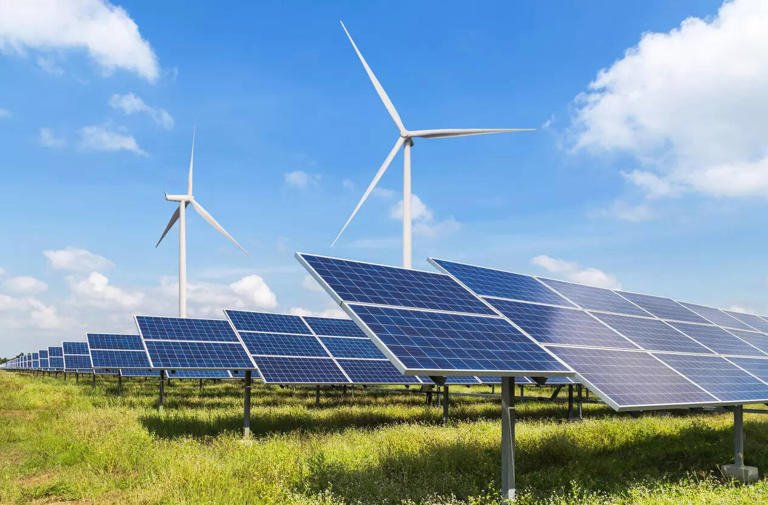
In recent years, Chhattisgarh has recognized the importance of diversifying its energy portfolio. While thermal remains dominant, the government is encouraging renewable energy projects, particularly solar. Plans are underway to install large solar parks and promote rooftop solar for households and industries.
The Chhattisgarh Renewable Energy Development Agency (CREDA) has been instrumental in driving this change. By 2030, the state aims to significantly increase the share of renewable energy in its overall mix, ensuring sustainable growth while meeting climate commitments. This balanced approach is expected to make Chhattisgarh power generation more resilient in the long run.
Impact on industry and economy
The sharp increase in power capacity has fueled industrial development across the state. Chhattisgarh is now home to several large steel and cement plants, which rely heavily on uninterrupted electricity supply. The availability of affordable power has made the state an attractive destination for investors, leading to job creation and economic growth.
Agriculture has also benefited, with reliable electricity supporting irrigation systems and rural electrification. Farmers in remote areas now enjoy better access to electricity, improving productivity and reducing dependence on diesel generators. This has helped improve living standards in villages and reduced rural-urban disparities.
Challenges of rapid expansion
Despite the achievements, Chhattisgarh faces challenges in managing its massive power generation capacity. Environmental concerns remain significant, especially due to the heavy dependence on coal. Air pollution, displacement of communities near mining areas, and deforestation are issues that need urgent attention.
Another challenge is the underutilization of existing capacity. Reports suggest that not all power generated is used effectively due to transmission bottlenecks and lower demand in certain regions. Strengthening the transmission network and improving distribution efficiency are key priorities moving forward.
Government’s vision for the future
The state government has made it clear that energy will remain a priority sector. Plans are underway to modernize existing thermal plants with cleaner technologies and gradually expand renewable capacity. Focus is also being placed on improving energy efficiency, both in industry and households.
The vision is not just about producing more power but ensuring reliable, affordable, and sustainable electricity for all. By investing in smart grids, renewable integration, and rural electrification, Chhattisgarh hopes to maintain its leadership role in India’s energy sector for decades to come.
The journey of Chhattisgarh power generation from 1,400 MW in 2000 to 30,000 MW in just 25 years is nothing short of extraordinary. This growth has turned the state into an energy hub, fueling economic development and supporting millions of households across India.
While challenges remain in balancing growth with sustainability, the progress so far demonstrates what focused planning and resource utilization can achieve. As the state now looks toward cleaner and smarter energy solutions, Chhattisgarh’s role as a power leader is set to grow even further.
Read More: Dr Bhupen Hazarika: Celebrating 100th Birth Anniversary