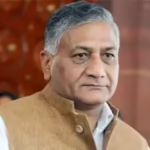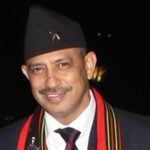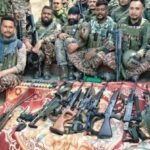




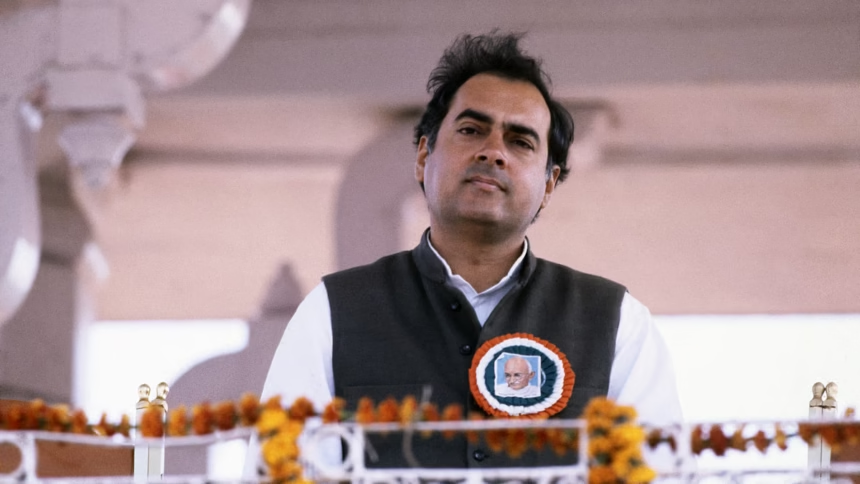
The Mizoram Pradesh Congress Committee (MPCC) commemorated the 40th anniversary of the historic Mizo Peace Accord on June 30 by organizing a parallel observance at the Congress Bhavan. During the event, MPCC President Lal Thanzara emphasized the pivotal role played by the Congress-led central government in facilitating the landmark 1986 peace agreement. Moreover, he asserted that the enduring peace and stability enjoyed by Mizoram today were made possible through political statesmanship, dialogue, and decisive leadership demonstrated during the peace negotiations four decades ago.
MNF Accuses ZPM Government of Weakening Article 371G
MPCC Organizes Separate Commemoration of the Mizo Peace Accord
The Mizoram Pradesh Congress Committee held a dedicated event at Congress Bhavan to mark the ruby jubilee of the historic Mizo Peace Accord. Consequently, party leaders, members, and supporters gathered to reflect on the significance of the agreement and its lasting impact on the state.
According to party representatives, the event focused on recognizing the contributions of political leaders and institutions involved in the peace process. Moreover, speakers highlighted the importance of democratic dialogue and political consensus in achieving sustainable peace. Therefore, the commemorative program served as an opportunity to revisit the historical circumstances that led to the signing of the accord.
Participants also discussed the broader political and social transformations that followed the agreement. Furthermore, party leaders emphasized the importance of preserving the legacy of peace and reconciliation. As a result, the event reinforced the historical significance of the peace accord.
Meanwhile, commemorative activities continued across the state through various political and public platforms. Consequently, public discussions regarding the accord’s legacy remained active.
Lal Thanzara Credits Congress Leadership for Historic Agreement
Addressing the gathering, MPCC President Lal Thanzara emphasized the role played by the Congress-led central government during the negotiations that culminated in the signing of the Mizo Peace Accord in 1986. Moreover, he argued that the successful resolution of the conflict reflected strong political leadership and a commitment to peaceful dialogue. Therefore, he described the accord as a major achievement of democratic governance.
Lal Thanzara stated that the peace process required political courage, negotiation, and a willingness to pursue long-term reconciliation. Consequently, he credited the leadership of the then central government with creating the conditions necessary for lasting peace. Such historical developments continue to influence political discourse in Mizoram.
Furthermore, he highlighted the importance of maintaining the values of dialogue, cooperation, and democratic engagement that shaped the peace process. As a result, the commemorative event focused heavily on historical reflection and political legacy.
Meanwhile, party leaders reiterated their commitment to preserving the achievements of the peace accord. Similarly, discussions concerning the historical role of various stakeholders continued.
Mizo Peace Accord Continues to Shape Political Narratives
The 1986 Mizo Peace Accord remains one of the most important political and historical milestones in the state’s modern history. Moreover, different political parties continue to emphasize their respective contributions to the peace process and its implementation. Therefore, commemorative events often provide opportunities for historical interpretation and political reflection.
Political observers noted that the accord transformed Mizoram’s political landscape by establishing long-term stability and democratic governance. Consequently, discussions regarding its origins and implementation remain significant in contemporary political discourse. Such debates contribute to broader historical understanding.
Furthermore, the peace agreement continues to serve as a symbol of successful conflict resolution through negotiation and democratic engagement. As a result, political leaders frequently reference the accord while discussing governance, peace, and reconciliation.
Meanwhile, historians and scholars continue to examine the various factors that contributed to the success of the peace process. Similarly, public interest in the historical significance of the agreement remains strong.
Legacy of Peace and Democratic Dialogue Reaffirmed
The MPCC event emphasized that preserving the legacy of the Mizo Peace Accord requires continued commitment to democratic values, dialogue, and social harmony. Moreover, speakers highlighted the importance of learning from historical experiences to strengthen future governance and public policy. Therefore, the celebration also carried a message about the importance of political cooperation.
Officials and party leaders noted that Mizoram’s experience demonstrates the potential of peaceful negotiation and democratic institutions in resolving complex conflicts. Consequently, the state continues to be regarded as an important example of successful peace-building. Such lessons remain relevant in broader discussions on governance and reconciliation.
Furthermore, participants emphasized the need to educate future generations about the historical significance of the peace process. As a result, awareness and preservation initiatives remain important.
Meanwhile, commemorative activities honoring the 40th anniversary of the Mizo Peace Accord continue to reinforce the state’s shared commitment to peace. Similarly, discussions surrounding its historical legacy remain ongoing.
Conclusion
The Mizoram Pradesh Congress Committee’s observance of the 40th anniversary of the Mizo Peace Accord highlighted the Congress party’s perspective on the historical significance of the 1986 peace process. Moreover, the event reaffirmed the importance of political leadership, democratic dialogue, and reconciliation in achieving lasting peace.
The discussions reflected the continuing relevance of the peace accord in shaping Mizoram’s political identity and public discourse. Therefore, the anniversary celebrations have served not only as a commemoration of history but also as a reminder of the enduring value of peace and cooperation.
As Mizoram marks four decades of peace and stability, the legacy of the historic accord continues to influence political, social, and democratic life across the state.
FAQs
1. Who organized the parallel Peace Accord event?
The Mizoram Pradesh Congress Committee (MPCC) organized the event.
2. Where was the function held?
The commemorative program was held at Congress Bhavan.
3. Who addressed the gathering?
MPCC President Lal Thanzara addressed the event.
4. What did the Congress party emphasize?
The party emphasized the role of the Congress-led central government in facilitating the 1986 peace agreement.
5. Why is the Mizo Peace Accord historically significant?
It is widely regarded as one of India’s most successful examples of peaceful conflict resolution and democratic reconciliation.