





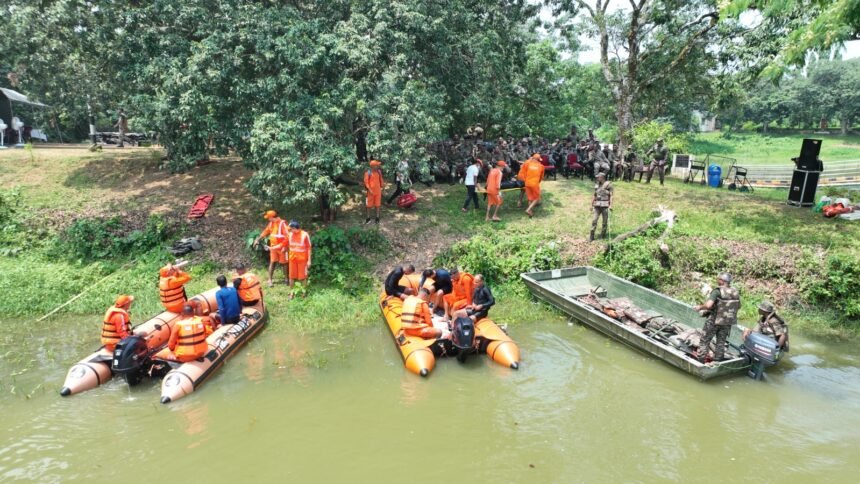
The Monsoon Preparedness Review Meeting held today brought together senior state disaster management officials to finalize emergency rescue and relief deployments ahead of the approaching seasonal rains. Authorities reviewed preparedness measures, assessed resource availability, and coordinated response strategies to ensure quick action during potential flooding, landslides, and other monsoon-related emergencies across Tripura.
Strict Plastic Ban Enforcement Drives Surprise Inspections Across Tripura Markets
Kuki Inpi Manipur Raises Concern Over Possible Exclusion of Displaced Voter
Monsoon Preparedness Review Meeting Held Ahead of Seasonal Rains
Tripura’s disaster management authorities conducted a high-level review meeting today to strengthen preparedness before the arrival of the monsoon season. Senior officials from various departments participated in the discussions and evaluated emergency response plans designed to protect residents during adverse weather conditions.
The meeting focused on ensuring that rescue teams, relief materials, communication systems, and emergency services remain fully prepared for potential monsoon-related challenges. Authorities emphasized the importance of coordinated action to minimize risks and improve response times during emergencies.
As weather forecasts indicate the gradual approach of seasonal rains, state agencies have accelerated planning efforts to ensure readiness across vulnerable districts.
Officials Finalize Rescue and Relief Deployment Plans
One of the primary objectives of the meeting involved finalizing rescue and relief deployment strategies. Disaster management officials reviewed the positioning of emergency response teams and assessed their ability to reach affected areas quickly if required.
Authorities discussed the availability of rescue equipment, transportation resources, and emergency personnel. Furthermore, departments examined contingency plans to ensure rapid deployment during floods, waterlogging incidents, or severe weather disruptions.
Officials also reviewed coordination mechanisms among different government agencies. Effective communication and cooperation remain essential during emergencies because multiple departments often need to work together simultaneously.
Consequently, the meeting aimed to eliminate potential gaps in response systems before the monsoon season begins in full force.
Monsoon Season Brings Increased Disaster Risks
The monsoon season plays a vital role in supporting agriculture and water resources across the region. However, heavy rainfall can also create significant challenges for communities, infrastructure, and public services.
Flooding remains one of the most common concerns during periods of intense rainfall. Water accumulation can affect roads, residential areas, and low-lying regions. In some cases, transportation networks may experience disruptions that complicate rescue and relief operations.
Additionally, continuous rainfall can increase the risk of landslides in vulnerable locations. Authorities therefore monitor weather forecasts closely and prepare response plans for various emergency scenarios.
By conducting advance planning, disaster management agencies aim to reduce the impact of these seasonal risks on residents and essential services.
Coordination Among Departments Receives Priority Attention
The review meeting highlighted the importance of interdepartmental coordination in disaster response operations. Emergency situations often require support from multiple government agencies, including health services, public works departments, police, fire services, and local administrations.
Officials discussed communication protocols and information-sharing systems designed to improve coordination during emergencies. Efficient communication can significantly enhance decision-making and help authorities allocate resources where they are needed most.
Moreover, departments reviewed responsibilities assigned to various agencies to ensure clarity during response operations. Clear roles and responsibilities help prevent confusion and improve operational efficiency during critical situations.
The meeting reinforced the government’s commitment to maintaining a unified response framework throughout the monsoon season.
Rescue Teams and Equipment Undergo Readiness Assessment
Emergency rescue teams form a crucial component of disaster preparedness efforts. Therefore, officials carefully assessed the readiness of personnel and equipment during the review meeting.
Authorities examined the availability of boats, rescue vehicles, communication devices, emergency medical supplies, and other essential resources. Regular inspections help ensure that equipment remains operational and ready for deployment at short notice.
Training and preparedness of rescue personnel also received attention. Well-trained teams can respond more effectively to emergencies and support affected communities during difficult situations.
Furthermore, officials discussed logistical arrangements to facilitate rapid movement of resources if weather conditions create urgent requirements in specific districts.
Relief Measures Planned for Vulnerable Areas
Relief planning remains another critical aspect of monsoon preparedness. Authorities reviewed strategies for providing food, shelter, medical assistance, and other support services to affected populations if emergencies occur.
Officials identified areas that may face higher risks during heavy rainfall events. Consequently, departments have begun making arrangements to position relief materials closer to vulnerable locations.
Temporary shelters, emergency supplies, and healthcare support systems form part of the broader preparedness framework. By organizing these resources in advance, authorities can respond more efficiently when communities require assistance.
The government also emphasized the importance of ensuring uninterrupted access to essential services during adverse weather conditions.
Weather Monitoring Systems Strengthened
Accurate weather monitoring plays a crucial role in disaster management. During the meeting, officials reviewed mechanisms for receiving and analyzing meteorological information from relevant agencies.
Early warnings provide valuable time for authorities to prepare communities and deploy resources before severe weather conditions develop. Therefore, disaster management teams continue working closely with weather agencies to monitor forecasts and issue timely advisories.
Improved forecasting technology and communication systems have enhanced the ability of governments to anticipate weather-related challenges. As a result, preparedness efforts can become more proactive and effective.
Officials stressed the importance of maintaining constant vigilance throughout the monsoon season to respond quickly to changing conditions.
Community Awareness Remains Essential
While government agencies play a central role in disaster response, community awareness remains equally important. Residents who understand potential risks and safety procedures can make informed decisions during emergencies.
Authorities continue encouraging citizens to follow official advisories and remain informed through reliable communication channels. Public cooperation can significantly improve the effectiveness of emergency response efforts.
Educational campaigns often focus on flood safety, evacuation procedures, emergency contacts, and disaster preparedness measures. These initiatives help communities prepare for potential disruptions and reduce vulnerability during severe weather events.
Moreover, local participation often strengthens resilience and supports faster recovery following emergencies.
Infrastructure Preparedness Reviewed
The review meeting also examined infrastructure readiness ahead of the monsoon season. Roads, drainage systems, bridges, and public facilities require regular maintenance to withstand heavy rainfall and minimize disruptions.
Officials discussed preventive measures designed to reduce waterlogging and improve drainage efficiency. Effective infrastructure management can significantly reduce the impact of intense rainfall on transportation and public services.
Departments responsible for public works have reportedly accelerated maintenance activities in several locations. These efforts aim to improve resilience and ensure that critical infrastructure remains functional during adverse weather conditions.
Infrastructure preparedness remains an essential component of comprehensive disaster management planning.
Monsoon Preparedness Review Meeting Reflects Proactive Planning
The Monsoon Preparedness Review Meeting demonstrates the state’s proactive approach to managing seasonal weather challenges. By conducting detailed assessments before the arrival of heavy rains, authorities can identify potential weaknesses and implement corrective measures in advance.
Preparedness planning allows agencies to respond more effectively when emergencies arise. Furthermore, coordinated efforts help protect lives, property, and essential services during periods of severe weather.
The meeting reflects a broader commitment to strengthening disaster management capabilities and improving resilience across Tripura.
Conclusion
The Monsoon Preparedness Review Meeting held by senior disaster management officials underscores Tripura’s commitment to ensuring readiness ahead of the approaching rainy season. Through detailed planning, resource assessments, interdepartmental coordination, and emergency deployment strategies, authorities have taken important steps to strengthen disaster response capabilities. As seasonal rains draw closer, the focus remains on protecting communities, maintaining essential services, and ensuring rapid rescue and relief operations whenever necessary. Continued preparedness, effective communication, and public cooperation will play a vital role in minimizing the impact of monsoon-related emergencies across the state.
FAQs
1. What was the purpose of the Monsoon Preparedness Review Meeting?
The Monsoon Preparedness Review Meeting aimed to finalize rescue and relief deployment plans and strengthen disaster response readiness before the monsoon season.
2. Which officials attended the review meeting?
Senior disaster management officials and representatives from multiple government departments participated in the preparedness review.
3. Why is monsoon preparedness important?
Monsoon preparedness helps authorities respond quickly to floods, waterlogging, landslides, and other weather-related emergencies while protecting lives and property.
4. What resources were reviewed during the meeting?
Officials assessed rescue teams, emergency equipment, relief supplies, communication systems, transportation resources, and shelter arrangements.
5. How can residents stay safe during the monsoon season?
Residents should follow official weather advisories, remain informed about local conditions, prepare emergency supplies, and cooperate with authorities during emergencies.