





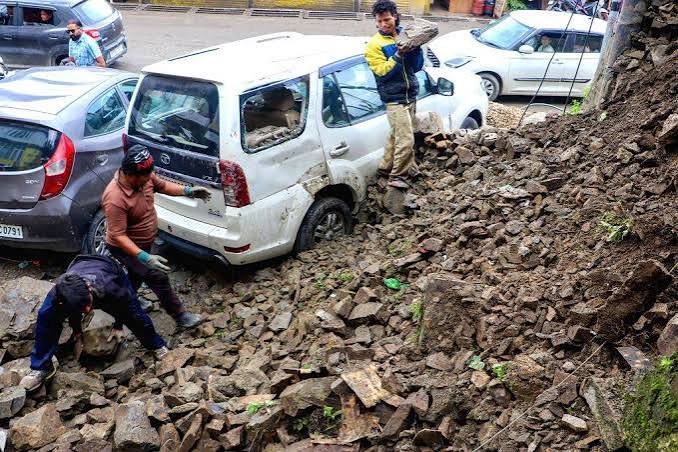
The Tura Landslides situation emerged after three residential retaining walls collapsed in Tura due to rain saturation, although no casualties were reported. According to the available information, continuous rainfall weakened the structures, leading to damage in residential areas while authorities monitored the situation.
Hnahthial Eco-Tourism Project Advances as Community Groups Mark Land
The Tura Landslides update highlights the impact of heavy monsoon conditions on infrastructure in Meghalaya’s hill regions. According to the available information, excessive moisture accumulation affected the stability of retaining walls designed to support residential land areas.
Retaining walls play an important role in preventing soil movement in hilly locations. Moreover, prolonged rainfall can increase pressure on such structures and create risks for properties located on slopes.
The latest development underscores the importance of maintaining slope protection systems during intense monsoon periods. Therefore, authorities continue monitoring vulnerable areas to prevent further damage and ensure public safety.
The incident also reflects the challenges faced by hill towns during heavy rainfall. Additionally, regular inspections and proper drainage management can help reduce risks associated with rain-induced structural failures.
Tura Landslides Cause Structural Damage in Residential Areas
The Tura Landslides incident occurred after rain saturation weakened three residential retaining walls in Tura. According to the available information, the structures collapsed due to prolonged exposure to heavy rainfall.
Moreover, saturated soil can increase pressure on retaining structures and reduce their ability to provide support. Consequently, residential areas located on slopes require careful monitoring during periods of intense rain.
The collapse caused structural damage but did not result in any reported casualties. Furthermore, the absence of injuries allowed authorities and residents to focus on assessing the extent of property damage and safety concerns.
The available information confirms that three retaining walls collapsed. However, authorities have not released details regarding the exact locations, repair costs, construction quality assessments, or future restoration plans.
Authorities Monitor Situation After Tura Landslides
The Tura Landslides update has prompted attention toward rain-related infrastructure risks in the region. Local authorities are expected to assess affected areas and review safety conditions around residential properties.
Additionally, monitoring damaged structures helps identify possible risks and prevent further incidents. This coordinated approach supports timely response measures during extreme weather conditions.
Officials continue observing weather patterns and vulnerable locations across Tura. Meanwhile, residents in affected areas are expected to remain cautious and follow safety instructions during ongoing rainfall.
The available information does not mention evacuations, emergency shelters, or major property losses linked to the incident. Therefore, the current update focuses on structural damage caused by rain saturation and the confirmation that no casualties occurred.
Further updates may provide information regarding repair work and additional assessments.
Tura Landslides Highlight Need for Rain-Resistant Infrastructure
The Tura Landslides incident highlights the importance of developing stronger infrastructure systems in Meghalaya’s mountainous regions. Effective drainage systems and properly designed retaining structures can help reduce risks during heavy rainfall.
Moreover, climate-sensitive construction practices can improve the resilience of residential areas against extreme weather conditions. Consequently, regular maintenance and structural inspections remain essential in hill towns.
The collapse of retaining walls demonstrates the vulnerability of slope-based settlements during prolonged monsoon activity. Similarly, cooperation between residents, engineers, and local authorities can improve preparedness and reduce future risks.
Strengthening disaster resilience remains an important priority for Meghalaya’s hill districts. Therefore, the Tura Landslides update reinforces the importance of safe construction, drainage management, and continuous monitoring.
As monsoon conditions continue, future assessments may provide additional information regarding restoration efforts and preventive measures.
Conclusion
The Tura Landslides incident has highlighted the effects of heavy rainfall after three residential retaining walls collapsed in Tura due to rain saturation. Although the structures suffered damage, authorities confirmed that no casualties were reported.
Furthermore, continued monitoring and timely repair work will remain important to ensure safety in affected residential areas. Improving drainage systems and strengthening slope protection measures can help reduce similar risks in the future.
Overall, the Tura Landslides update emphasizes the need for climate-resilient infrastructure, careful construction practices, and effective monsoon preparedness in Meghalaya’s hill regions.
FAQs
1. What is the latest update on the Tura Landslides?
The Tura Landslides update confirms that three residential retaining walls collapsed in Tura due to rain saturation, with no casualties reported.
2. Why did the retaining walls collapse?
According to the available information, prolonged rainfall caused rain saturation, weakening the retaining walls and leading to their collapse.
3. Were there any casualties in the incident?
No. Authorities reported that no casualties occurred following the retaining wall collapses.
4. How can rain-related landslide risks be reduced?
Proper drainage systems, regular inspections, strong retaining structures, and careful hill construction practices can help reduce risks.
5. Has the repair work started?
The available information does not confirm whether repair or restoration work has begun.