






Anti-big dam organisations in Assam and Arunachal Pradesh have announced plans to launch a joint movement against large dam projects in the region. Meanwhile, technical aspirants in Nagaland have warned of an agitation from November 30, 2026, demanding action on recruitment-related issues.
President Murmu to Attend Hornbill Festival
Northeast India Sees Fresh Protests Over Dams and Government Recruitment
Two separate protest movements are gaining attention across Northeast India, with organisations in Assam, Arunachal Pradesh and Nagaland raising concerns over development projects and employment opportunities.
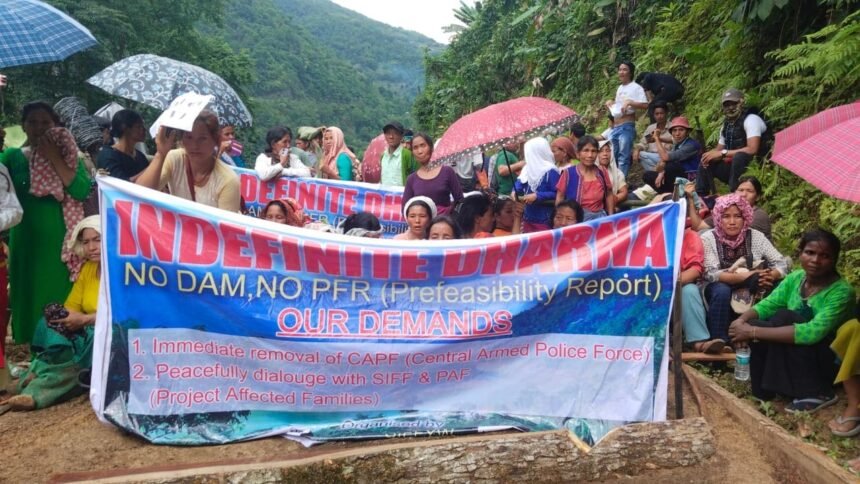
Anti-big dam groups in Assam and Arunachal Pradesh have announced plans to coordinate their opposition to large dam projects. Their proposed joint movement reflects continuing concerns about the environmental and social impact of major hydropower developments in the region.
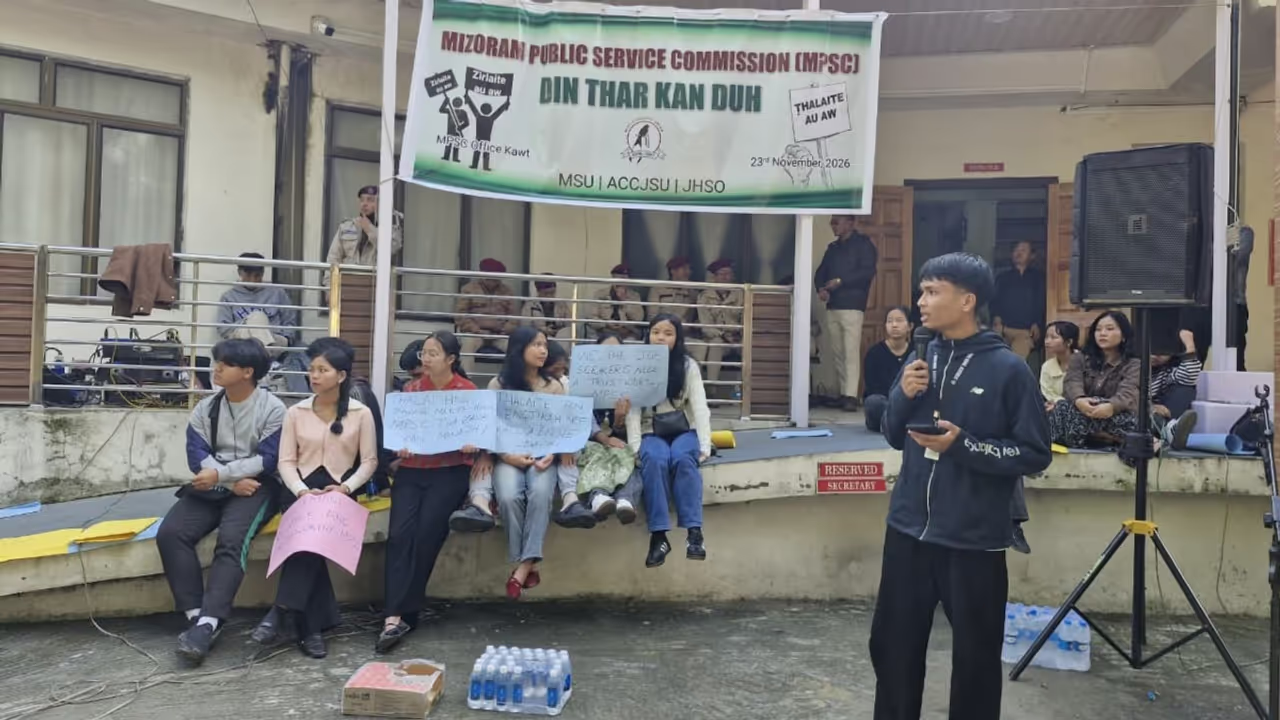
At the same time, technical aspirants in Nagaland have warned of launching an agitation from November 30. Their demands are connected to recruitment issues and the need for clarity regarding government employment opportunities for technically qualified candidates.
Although the two developments concern different issues, both highlight demands for greater public accountability and attention to regional concerns.
Assam and Arunachal Pradesh Anti-Dam Groups Plan Joint Movement
Anti-big dam organisations from Assam and Arunachal Pradesh are preparing to coordinate their activities through a joint movement against large dam projects.
The proposed initiative aims to bring together groups that have been opposing major dam developments in the Northeast. These organisations have repeatedly raised concerns about the possible consequences of large hydropower projects for rivers, forests, local communities and the wider environment.
The Brahmaputra basin is particularly important to both states. Its river systems support agriculture, fisheries, livelihoods and biodiversity. Consequently, decisions involving large dams and hydropower infrastructure can affect communities across state boundaries.
The planned joint movement is expected to provide a common platform for organisations from Assam and Arunachal Pradesh to present their concerns.
Why Anti-Big Dam Organisations Are Raising Concerns
Large dam projects can provide electricity, support infrastructure development and contribute to regional economic activity. However, they can also create environmental and social challenges that require careful assessment.
Anti-dam organisations commonly raise concerns about several issues:
- Environmental impact: Large projects can affect river ecosystems, forests and biodiversity.
- Displacement: Reservoir construction and associated infrastructure may require land acquisition and relocation of communities.
- River flow: Changes in natural river flows can affect downstream areas, agriculture and fisheries.
- Flood and disaster risks: Communities often seek detailed assessments of dam safety and the consequences of extreme rainfall or structural failure.
- Livelihood concerns: Fishing, farming and other river-dependent activities may be affected by changes in the surrounding environment.
These concerns are particularly significant in the Northeast, where river systems and mountainous terrain shape local economies and settlements.
The groups planning the joint movement want their concerns to receive greater attention in discussions about large dam projects.
Brahmaputra Basin and Inter-State Concerns
The Brahmaputra river system connects several parts of Northeast India. Water flows through different states and supports communities with varied economic and cultural backgrounds.
As a result, major infrastructure decisions in one area can generate concerns in other parts of the river basin.
Assam has frequently witnessed public debates over large hydropower projects in neighbouring Arunachal Pradesh. Concerns have included downstream effects, dam safety, changes in river behaviour and the need for transparent environmental assessments.
Arunachal Pradesh, meanwhile, has significant hydropower potential because of its mountainous terrain and river systems. Several projects have been proposed or developed as part of efforts to expand electricity generation.
The planned joint movement could bring these inter-state concerns into a more coordinated public campaign.
Demand for Public Consultation and Environmental Safeguards
A central issue in debates over large infrastructure projects is the need for transparent decision-making.
Environmental assessments, public consultations, disaster-management planning and safety reviews are important parts of responsible project development.
Communities living near proposed dam sites and downstream areas need access to reliable information about possible impacts. Their participation can also help authorities identify local concerns before major construction decisions are finalised.
The joint movement announced by anti-dam organisations is expected to focus attention on these broader questions.
However, the specific programme, participating organisations, protest locations and detailed demands have not been established in the information provided. Therefore, the proposed movement should not be confused with a confirmed statewide shutdown or a particular protest schedule.
Nagaland Technical Aspirants Warn of Agitation From November 30
In another development, technical aspirants in Nagaland have warned of launching an agitation from November 30, 2026, over recruitment-related demands.
The proposed protest reflects concerns among candidates seeking government employment in technical fields. These aspirants are seeking attention to recruitment matters and clarity over opportunities for technically qualified applicants.
Government recruitment is an important issue for young people across Nagaland. Candidates invest considerable time and resources in education, professional training and competitive examinations to qualify for public-sector positions.
When recruitment procedures remain unclear or vacancies are not addressed to candidates’ expectations, frustration can grow among aspirants.
The warning of an agitation from November 30 indicates that the issue may develop into a larger public protest if the candidates’ concerns remain unresolved.
Why Technical Recruitment Matters to Nagaland’s Youth
Technical government positions require specialised educational qualifications and professional skills. Depending on the department, these roles may involve engineering, infrastructure, public works, technical administration and other specialised responsibilities.
For qualified candidates, recruitment into government departments can provide an opportunity to apply their training in public service.
However, recruitment concerns can arise over vacancy notifications, eligibility conditions, examination procedures, appointment processes and the allocation of posts.
Technical aspirants therefore seek clear and predictable recruitment systems. Transparent notifications and timely decisions can help candidates understand their opportunities and prepare accordingly.
The proposed agitation has brought these concerns into public discussion.
November 30 Deadline Raises Pressure for Action
The technical aspirants have identified November 30 as the starting date for their proposed agitation.
This date gives the concerned authorities an opportunity to engage with the candidates and examine their demands before the protest begins.
Dialogue between the aspirants and the relevant departments could help clarify recruitment procedures and identify possible solutions.
At the same time, the candidates’ warning signals that they want their concerns addressed rather than left unresolved.
The exact protest format, location and duration have not been specified in the available information. Further details will depend on announcements from the organisers.
Two Separate Movements Reflect Wider Northeast Concerns
The anti-dam movement and the Nagaland recruitment agitation concern different areas of public policy, but both highlight issues that affect communities across Northeast India.
In Assam and Arunachal Pradesh, the debate centres on the environmental and social consequences of large infrastructure projects. The planned coordination between anti-big dam organisations reflects an effort to bring inter-state concerns into a common platform.
In Nagaland, technical aspirants are focusing on employment opportunities and recruitment-related decisions. Their proposed agitation highlights the importance of transparent government hiring processes and timely responses to candidates.
Both developments demonstrate how public organisations and community groups use collective action to draw attention to issues they consider important.
Conclusion
Anti-big dam organisations in Assam and Arunachal Pradesh are preparing for a joint movement against large dam projects, bringing environmental and inter-state concerns into focus.
Meanwhile, technical aspirants in Nagaland have warned of launching an agitation from November 30, 2026, over recruitment-related demands.
The two developments highlight separate challenges facing the Northeast: balancing infrastructure development with environmental concerns and ensuring transparent employment opportunities for qualified young people.
The response from governments and concerned authorities will be important in determining how these issues develop in the coming days.
Frequently Asked Questions (FAQs)
1. Which states are involved in the proposed anti-big dam movement?
Anti-big dam organisations from Assam and Arunachal Pradesh have announced plans for a joint movement.
2. Why are anti-dam groups planning a joint movement?
The organisations are seeking to coordinate their opposition to large dam projects and raise concerns about environmental, social and downstream impacts.
3. Which river system is central to the regional dam debate?
The Brahmaputra river basin is central to discussions about major hydropower projects and their possible effects across Northeast India.
4. Who has threatened an agitation in Nagaland?
Technical aspirants in Nagaland have warned of launching an agitation over recruitment-related demands.
5. When is the Nagaland agitation scheduled to begin?
The technical aspirants have announced November 30, 2026, as the starting date for their proposed agitation.
6. What are the Nagaland technical aspirants demanding?
They are raising recruitment-related concerns and seeking attention to employment opportunities for technically qualified candidates.
7. Are the anti-dam movement and Nagaland recruitment protest connected?
No. They are separate developments involving different organisations and demands. The anti-dam movement concerns large infrastructure projects, while the Nagaland agitation focuses on government recruitment issues.