


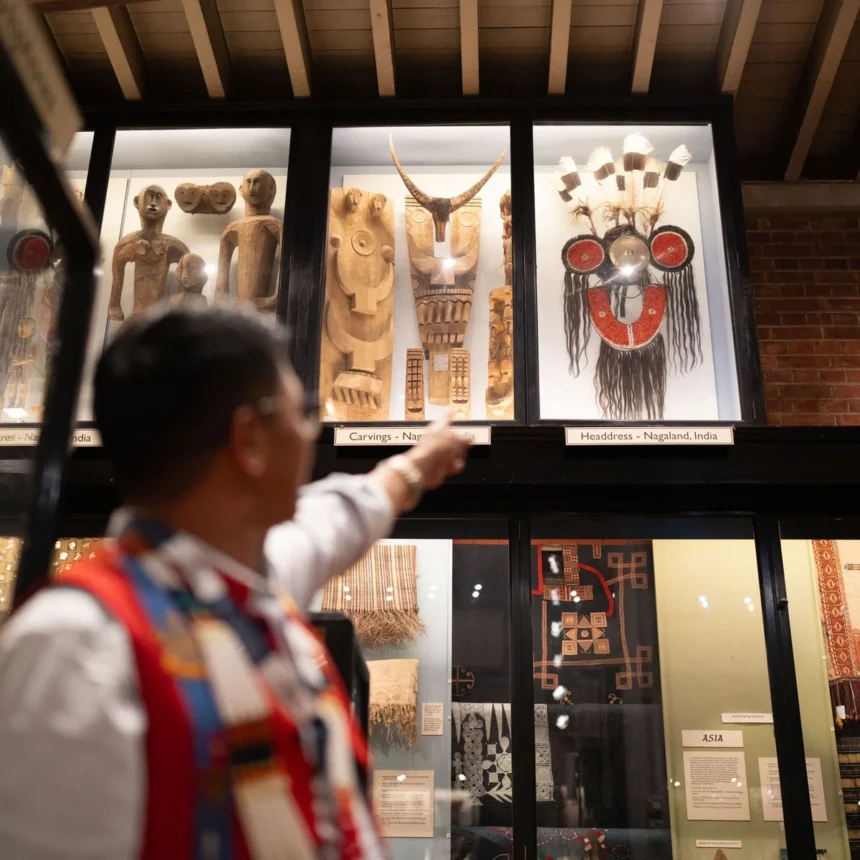
After six years of diplomatic and community-led efforts, 39 Naga ancestral human remains from the University of Oxford’s Pitt Rivers Museum have returned to India. A public homecoming ceremony is scheduled in Kohima on November 28, followed by public homage and final burial rites on November 30.
President Murmu to Attend Hornbill Festival
Naga Ancestral Remains Repatriation Marks a Historic Homecoming
The return of 39 Naga ancestral human remains from the United Kingdom marks a significant moment for the Naga people and their efforts to reclaim their cultural heritage. After decades away from their homeland, the remains have finally begun their journey back to Nagaland following years of discussions, research and cooperation.
The remains were previously held at the Pitt Rivers Museum, which is part of the University of Oxford. Their repatriation followed a process that began in 2020 and involved Naga community organisations, tribal representatives, researchers and the museum.
The arrival of the remains in India has paved the way for a series of homecoming programmes in Kohima. These events will allow members of the public to pay their respects before the final burial ceremony.
39 Naga Ancestral Remains Arrive in India
The flight carrying the 39 ancestral human remains from the United Kingdom landed at Indira Gandhi International Airport in New Delhi on November 25, 2026.
Officials from the Nagaland Government and representatives of the Forum for Naga Reconciliation (FNR) were present to oversee the arrival, offloading and necessary clearance procedures. Additional Resident Commissioner of Nagaland House, New Delhi, Sharon Longchari, led the officials present at the airport.
Following the arrival, the remains were kept in a secured location before their onward journey to Nagaland. They were scheduled to travel to Dimapur on November 27 before being taken to Kohima for the public homecoming programme.
The return journey represents the culmination of years of work to ensure that the ancestral remains could leave the museum and receive a dignified resting place in their homeland.
Six Years of Efforts Led to the Repatriation
The process of bringing the Naga ancestral remains home began in 2020. The Forum for Naga Reconciliation played an important role in coordinating discussions and working with the Pitt Rivers Museum.
The museum collaborated with Naga partners, including the FNR and its Recover, Restore and Decolonise team. Tribal Hohos, elders, churches and community representatives also contributed to discussions about the return and appropriate care of the ancestors.
The process involved research into the museum’s collections, community consultations and efforts to build consensus among different Naga groups. These discussions were important because the remains represent a shared cultural and historical connection across Naga communities.
In July 2026, the University of Oxford Council agreed to return 39 ancestral human remains following a formal claim. The council did not approve the return of one additional remain because its Naga provenance could not be clearly established.
A formal handover ceremony followed on November 9, 2026, in Oxford. During the event, the University of Oxford Council transferred custodianship of the 39 remains to the Naga people through the Forum for Naga Reconciliation and the Naga Tribe Hoho.
This transfer formally paved the way for their journey back to Nagaland.
Why the Return of the Ancestors Matters to the Naga People
For the Naga people, the repatriation is not simply the return of historical human remains. It represents an effort to restore dignity to ancestors who had remained far from their homeland for generations.
The Pitt Rivers Museum’s historical collections include materials gathered during the colonial period. According to the museum, much of its Naga collection was assembled by colonial administrators in the early twentieth century.
The ancestral remains were among the materials held by the institution. Some human remains had also been displayed in museums before the institution removed all human remains from display in 2020.
The return process gave Naga communities an opportunity to participate in decisions about how their ancestors should be treated and where they should finally rest.
The Naga partners have described the homecoming as part of a longer journey towards healing and reconciliation. Their stated aim includes providing the ancestors with a dignified resting place and establishing a shared memorial that can represent unity among Naga communities.
Kohima to Host Public Homecoming Ceremony on November 28
Kohima is preparing to host the public homecoming programme on November 28, 2026. The event is scheduled for 12 noon at the Nagaland Baptist Church Council (NBCC) Convention Centre.
The programme will formally welcome the ancestral remains to the Naga homeland after their return from Oxford. Community members, tribal representatives and other visitors are expected to take part in the occasion.
The public programme also provides an opportunity to recognise the collective efforts that made the repatriation possible. The six-year process involved cooperation between Naga organisations and an international museum institution.
The ceremony is an important step before the public viewing and final burial arrangements.
Public Viewing and Homage Scheduled for November 29
Following the homecoming programme, members of the public will have an opportunity to pay their respects on November 29.
Public viewing, wreath-laying and prayers are scheduled to begin at 9 am at the NBCC Convention Centre in Kohima. This arrangement will allow people from different communities to participate in the occasion and honour their ancestors.
The public homage is also expected to provide a space for reflection on the history behind the repatriation. For many Naga families and communities, the return represents a long-awaited opportunity to welcome their ancestors home.
Final Burial Rites at Naga Solidarity Park on November 30
The final burial rites are scheduled for November 30, 2026, at 2 pm at Naga Solidarity Park in Kohima.
The burial will bring the formal homecoming process to its concluding stage. It will provide the 39 ancestral remains with a dignified resting place in Nagaland after their long absence.
The decision to bring the remains together for a shared memorial resting place also reflects the wider goal of promoting unity among Naga communities. The proposed resting place is intended to serve as a symbol of healing, peace and shared heritage for future generations.
A Wider Conversation on Indigenous Heritage and Repatriation
The return of the Naga ancestral remains also draws attention to the wider international discussion about the repatriation of Indigenous human remains and cultural heritage.
Museums and academic institutions across the world hold collections acquired during colonial periods. In many cases, communities of origin have sought the return of ancestral remains and cultural objects so they can be cared for according to their traditions and values.
The Naga repatriation process highlights the importance of dialogue between museums and Indigenous communities. It also demonstrates how community participation can guide decisions about the treatment and return of ancestral heritage.
The Pitt Rivers Museum has described the process as a Naga-led journey involving dialogue, research and reconciliation. The museum’s cooperation with Naga representatives helped establish a process for transferring custodianship and arranging the return.
The return of these 39 remains is an important development, although it does not mean that every Naga-related item held by the museum has been repatriated. The process specifically concerns the 39 ancestral human remains approved for return.
Conclusion
The return of 39 Naga ancestral human remains from the Pitt Rivers Museum marks the culmination of six years of efforts by Naga organisations, community representatives and the University of Oxford. Their arrival in India has made the long-awaited homecoming possible.
With the public ceremony scheduled for November 28, public homage on November 29 and final burial rites on November 30, Kohima will host a series of events dedicated to welcoming and honouring the ancestors.
Beyond the ceremonies, the repatriation represents an important effort to restore cultural dignity, preserve collective memory and strengthen the connection between Naga communities and their ancestral heritage.
Frequently Asked Questions (FAQs)
1. How many Naga ancestral remains have been repatriated from the UK?
A total of 39 Naga ancestral human remains have been repatriated from the Pitt Rivers Museum at the University of Oxford.
2. Where did the Naga ancestral remains come from?
The remains were held at the Pitt Rivers Museum, which is part of the University of Oxford in the United Kingdom.
3. When did the Naga ancestral remains repatriation process begin?
The process began in 2020 and involved six years of dialogue, research, community consultations and cooperation.
4. When is the public homecoming ceremony in Kohima?
The public homecoming programme is scheduled for November 28, 2026, at 12 noon at the NBCC Convention Centre in Kohima.
5. When can the public pay their respects to the ancestors?
Public viewing, wreath-laying and prayers are scheduled for November 29, 2026, from 9 am at the NBCC Convention Centre.
6. When and where will the final burial rites take place?
The final burial rites are scheduled for November 30, 2026, at 2 pm at Naga Solidarity Park in Kohima.
7. Which organisation played a key role in the repatriation process?
The Forum for Naga Reconciliation (FNR), working with Naga tribal bodies, community representatives and the Pitt Rivers Museum, played a key role in the six-year process.