




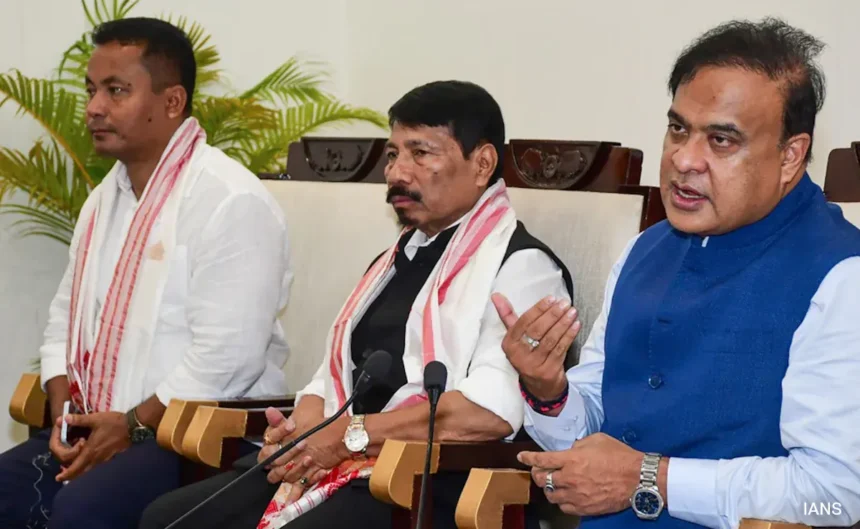
Assam UCC Assembly session preparations intensified after Himanta Biswa Sarma confirmed plans to introduce two major legislations in the upcoming sitting of the Assam Legislative Assembly, including a proposed Uniform Civil Code framework and a separate bill focused on safeguarding indigenous land rights. The announcement immediately triggered strong political reactions across Assam as legal experts, opposition leaders, and community organizations began evaluating the possible constitutional, social, and administrative implications of the proposed measures. Meanwhile, government officials stated that both legislations represent key priorities within the state’s long-term governance agenda.
AIUDF Opposes Assam Citizenship Survey Plans
Tiljala Eviction Violence Erupts Near Park Circus
Government Finalises Legislative Agenda
Authorities confirmed that Chief Minister Himanta Biswa Sarma finalized plans for introducing the proposed bills during the upcoming Assembly session. Additionally, senior government officials explained that legislative drafting and policy consultations had progressed significantly ahead of formal presentation inside the House.
The proposed Uniform Civil Code legislation reportedly aims to establish a more standardized legal framework involving personal civil matters within Assam. Consequently, the announcement generated widespread debate because UCC discussions remain among the most politically and constitutionally sensitive subjects in India. Earlier, multiple states and national political leaders expressed varying opinions regarding implementation of a Uniform Civil Code framework.
Officials from the Government of Assam stated that the indigenous land rights bill would focus on protecting traditional land ownership patterns and preventing unauthorized transfer of protected land categories. Furthermore, authorities emphasized that preserving indigenous identity and demographic balance remains a major governance objective.
UCC Debate Expands Across Assam
Senior political leaders and legal experts reacted strongly after confirmation that the UCC-related legislation would reach the Assembly floor. Meanwhile, supporters of the proposal argued that a common civil framework could strengthen legal uniformity and administrative clarity across communities.
Authorities explained that the Uniform Civil Code debate generally involves issues related to marriage, inheritance, adoption, and family law procedures across different religious communities. Specifically, constitutional scholars noted that Article 44 of the Indian Constitution encourages efforts toward a uniform civil framework as part of the Directive Principles of State Policy. In addition, governance analysts observed that implementation debates frequently involve complex legal, cultural, and social considerations.
Several opposition leaders questioned whether sufficient public consultation occurred before finalizing the legislation. However, ruling party representatives defended the initiative and described it as a progressive governance reform aligned with constitutional principles. Despite this, political disagreement surrounding the issue continued expanding across Assam.
Indigenous Land Protection Bill Gains Attention
The Assam UCC Assembly session agenda also attracted significant attention because of the parallel legislation focused on indigenous land protection. Additionally, tribal organizations and regional groups closely monitored the government’s statements regarding land ownership safeguards.
Urban planners and demographic experts explained that land protection policies in Assam often connect directly with regional identity, migration concerns, and cultural preservation debates. As a result, the proposed legislation may become politically significant across multiple districts and tribal regions. Furthermore, legal analysts emphasized the importance of balancing economic development with constitutional protections for indigenous communities.
Several community organizations welcomed the proposed focus on indigenous land rights and demographic security. In addition, policy researchers stated that land-related legislation frequently shapes long-term political and social stability in northeastern states.
Earlier, Assam witnessed intense debates involving land encroachment, migration concerns, and demographic change across sensitive districts. At the same time, regional organizations repeatedly demanded stronger legal mechanisms protecting traditional land ownership structures.
Opposition Parties Raise Constitutional Questions
Officials confirmed that opposition parties and civil society groups intensified criticism following the government’s legislative announcement. Additionally, several political leaders demanded greater transparency regarding the drafting process and constitutional implications of the proposed bills.
The Assam UCC Assembly session developments reportedly triggered wider national discussion involving federalism, minority rights, and constitutional governance. Consequently, legal experts and political commentators debated whether state-level UCC implementation could face judicial scrutiny in the future. Furthermore, opposition parties argued that social consensus remains necessary before introducing sweeping civil law reforms.
Several constitutional scholars observed that Uniform Civil Code discussions historically generated legal and political complexity across India. However, supporters of the proposal insisted that modernization of civil laws remains essential for ensuring equal legal standards. In addition, governance experts stressed the importance of maintaining institutional dialogue during socially sensitive legislative reforms.
Meanwhile, public discussions expanded across media platforms, universities, and political forums regarding the long-term implications of the proposed measures. Authorities confirmed that Assembly procedures and committee reviews would guide the legislative process after introduction.
Assembly Session Expected To Witness Heated Debate
Authorities stated that the upcoming Assembly sitting may witness intense political exchanges once both bills are formally introduced. Specifically, ruling and opposition legislators are expected to debate constitutional, administrative, and social aspects connected to the proposed laws.
The Assam UCC Assembly session could also become one of the most politically consequential legislative events in the state during recent years. As a result, analysts expect heightened public attention and extensive media coverage throughout the proceedings. Furthermore, parliamentary affairs experts highlighted the possibility of prolonged discussion and amendment proposals during legislative deliberations.
Several political observers noted that socially sensitive legislation often shapes electoral narratives and regional political alignments. Therefore, the government’s handling of debate, consultation, and implementation strategy may significantly influence future public perception.
Meanwhile, advocacy groups and legal organizations requested inclusive consultation mechanisms involving religious, tribal, and minority communities before final passage of the legislation. Authorities indicated that democratic discussion and constitutional procedure would remain central to the legislative process.
National Political Significance Emerges
Officials explained that Assam’s legislative move may influence broader national discourse regarding civil law reform and regional autonomy. Additionally, political analysts observed that developments in Assam could shape future policy discussions in other Indian states.
The Assam UCC Assembly session reportedly gained national attention because debates surrounding Uniform Civil Code implementation remain politically important at both state and national levels. Consequently, constitutional experts and policy researchers closely monitored the evolving legislative process. Furthermore, commentators highlighted the growing role of northeastern states in shaping broader national governance discussions.
Several legal researchers stated that judicial interpretation and constitutional review may eventually play important roles if challenges emerge after legislative passage. In addition, governance specialists emphasized the need for administrative clarity and procedural safeguards during implementation of major legal reforms.
Meanwhile, political parties across India continued evaluating the potential national impact of Assam’s proposed legislative initiatives. Authorities confirmed that preparations for the Assembly session remain ongoing.
Future Legislative Battle Closely Watched
Government officials confirmed that administrative departments and legislative committees continue preparing documentation and procedural arrangements ahead of the Assembly sitting. Specifically, lawmakers across political parties are expected to intensify strategy discussions before debate begins.
Experts believe civil law reform and indigenous protection policies will remain highly influential subjects within Assam’s evolving political landscape. Moreover, legislative outcomes involving these issues may shape governance debates and electoral narratives beyond the state.
The Assam UCC Assembly session represents a major political and constitutional moment involving civil law reform, indigenous rights protection, and legislative governance in northeastern India. Ultimately, officials expect continued political debate, legal analysis, and public scrutiny as the Assembly prepares to consider the proposed bills.
FAQs
What is the Assam UCC Assembly session issue?
The Assam government plans to introduce a Uniform Civil Code bill and an indigenous land protection bill during the upcoming Assembly session.
Who announced the legislative plan?
Himanta Biswa Sarma confirmed the government’s decision regarding the proposed legislation.
Which institution will debate the bills?
The proposed laws will be discussed in the Assam Legislative Assembly.
What topics does the Uniform Civil Code involve?
UCC discussions generally relate to marriage, inheritance, adoption, and other personal civil law matters.
Why is the indigenous land rights bill important?
The proposed legislation aims to strengthen legal protection for traditional and indigenous land ownership in Assam.
What does Assam UCC Assembly session mean for Indian politics?
Assam UCC Assembly session developments may influence national debate regarding constitutional reform, civil law modernization, and regional governance policies.