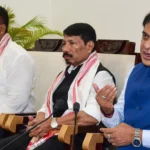



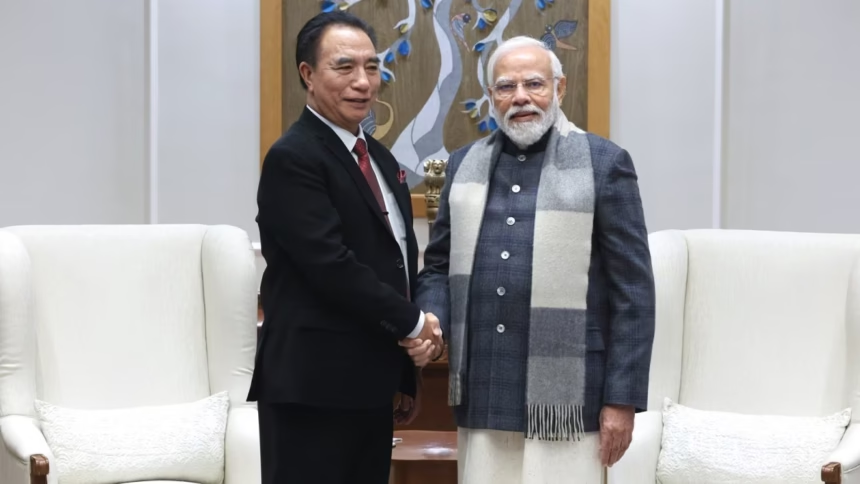
Lalduhoma YMA welfare partnership discussions gained major attention in Mizoram after Lalduhoma called on the influential Young Mizo Association to formally collaborate with the state government in implementing grassroots welfare initiatives and maintaining stability along eastern border regions. The appeal highlighted the growing role of community organizations in governance and social coordination within the northeastern state. Meanwhile, political observers and civil society groups described the proposal as a significant attempt to strengthen community-driven administration and regional peace management.
Exclusive News: Assam UCC Bill Push Ahead Of Assembly
Badruddin Ajmal Seeks Hajj Oath Flexibility
Chief Minister Calls For Formal Coordination
Authorities confirmed that Chief Minister Lalduhoma urged the Young Mizo Association to work closely with government agencies in expanding welfare outreach and supporting administrative coordination. Additionally, officials explained that the proposed partnership aims to improve delivery of social programs in remote and sensitive regions across Mizoram.
The request reportedly emerged during discussions involving governance, border stability, and community participation in public welfare activities. Consequently, the proposal generated strong public interest because the YMA remains one of Mizoram’s most influential civil society organizations. Earlier, the association frequently participated in humanitarian assistance, disaster response, and community mobilization efforts throughout the state.
Officials from the Government of Mizoram stated that stronger coordination between state institutions and grassroots organizations could improve administrative effectiveness. Furthermore, authorities indicated that border-area welfare and peace management remain important policy priorities.
YMA’s Influence Shapes Public Response
Senior political leaders and community representatives welcomed the Chief Minister’s outreach toward the Young Mizo Association. Meanwhile, social organizations highlighted the YMA’s longstanding influence in maintaining social discipline, humanitarian support, and community engagement within Mizoram.
Authorities explained that the YMA has historically played a central role in civic coordination, volunteer mobilization, and social welfare activities across urban and rural districts. Specifically, the organization frequently assists in relief distribution, social campaigns, and local dispute management initiatives. In addition, governance experts noted that community-based organizations often possess stronger grassroots networks than formal administrative systems in remote regions.
Several political analysts described the proposed collaboration as a practical strategy for strengthening welfare delivery in geographically difficult areas. However, some observers stressed the importance of maintaining clear institutional boundaries between government administration and independent civil society groups. Despite this, public sentiment regarding cooperation between the government and YMA reportedly remained largely positive.
Border Stability Remains Key Concern
The Lalduhoma YMA welfare partnership initiative also gained strategic importance because the Chief Minister linked the proposal to peace and stability along Mizoram’s eastern border regions. Additionally, security analysts highlighted the growing administrative focus on maintaining calm in frontier areas connected to regional migration and cross-border movement concerns.
Policy experts explained that border districts in northeastern India frequently face logistical, humanitarian, and security-related governance challenges. As a result, local organizations often become critical partners in supporting communication and social coordination during sensitive situations. Furthermore, regional affairs specialists noted that community participation may help reduce tensions and strengthen trust between residents and administrative authorities.
Several observers stated that the YMA’s strong grassroots presence could support faster welfare outreach and conflict-prevention efforts in border communities. Therefore, coordinated engagement between the government and civil society may become increasingly important for long-term regional stability.
Meanwhile, residents in eastern districts reportedly expressed support for stronger welfare programs and peace-building efforts. Authorities also confirmed that administrative discussions involving community participation remain ongoing.
Welfare Programs Expected To Expand
Officials confirmed that the proposed collaboration may focus heavily on welfare delivery, youth engagement, and social support initiatives across Mizoram. Additionally, development experts highlighted the potential role of community networks in improving access to healthcare, education, and emergency assistance programs.
The Lalduhoma YMA welfare partnership reportedly aims to strengthen implementation efficiency in remote areas where administrative access remains difficult. Consequently, policymakers began discussing expanded grassroots participation in social development projects. Furthermore, rural governance specialists emphasized that local volunteer networks often improve public outreach effectiveness.
Several welfare organizations stated that coordinated efforts between government departments and community groups may accelerate assistance delivery during emergencies and humanitarian situations. In addition, public policy researchers stressed the importance of transparency and accountability within any formal partnership arrangement.
Earlier, Mizoram witnessed multiple examples of civil society organizations assisting state authorities during health crises, disaster response operations, and humanitarian emergencies. At the same time, community leaders repeatedly encouraged stronger grassroots involvement in governance initiatives.
Political And Social Reactions Continue
Authorities stated that political and social reactions continued emerging after Lalduhoma’s appeal for formal collaboration with the YMA. Specifically, supporters described the proposal as an innovative governance approach rooted in Mizoram’s strong community traditions.
The Lalduhoma YMA welfare partnership discussions reportedly triggered wider debate regarding the evolving relationship between civil society organizations and government administration in northeastern states. As a result, analysts examined how community participation could shape future governance models across the region. Furthermore, social researchers observed that Mizoram’s political culture historically emphasizes collective responsibility and local coordination.
Several commentators argued that involving trusted community organizations may improve policy acceptance and social stability. However, governance experts also emphasized the importance of ensuring that constitutional institutions maintain clear operational authority and accountability mechanisms.
Meanwhile, youth organizations and volunteer groups reportedly welcomed the possibility of expanded participation in welfare and peace-building initiatives. Authorities indicated that consultations regarding future coordination frameworks remain active.
Administrative Coordination And Policy Planning Discussed
Officials explained that any formal partnership arrangement would likely involve structured coordination mechanisms between state departments and the YMA. Additionally, policy planners highlighted the need for operational clarity regarding responsibilities and implementation procedures.
The Lalduhoma YMA welfare partnership proposal may also influence future governance strategies involving community-driven administration and localized welfare management. Consequently, analysts expect increased discussion regarding participatory governance models within northeastern states. Furthermore, development experts noted that grassroots collaboration frequently improves public communication and social trust.
Several governance researchers stated that community institutions can strengthen policy implementation when supported by transparent administrative frameworks. In addition, regional affairs analysts emphasized the importance of balancing civic participation with institutional independence.
Meanwhile, local communities reportedly continued monitoring how the government and YMA would structure future cooperation efforts. Authorities confirmed that broader planning discussions remain under review.
Future Cooperation Closely Watched
Government officials confirmed that the Mizoram administration continues engaging with community organizations regarding welfare expansion and peace-building strategies. Specifically, authorities remain focused on strengthening grassroots coordination and improving social outreach systems.
Experts believe civil society participation will remain an important component of governance and development policy in northeastern India. Moreover, successful cooperation between governments and community organizations may influence regional administrative models in the future.
The Lalduhoma YMA welfare partnership initiative represents a significant political and social development involving community governance, welfare outreach, and border stability in Mizoram. Ultimately, officials expect continued consultation, public discussion, and policy planning as the state explores formal collaboration with one of its most influential social organizations.
FAQs
What is the Lalduhoma YMA welfare partnership initiative?
Lalduhoma requested formal cooperation between the Mizoram government and the Young Mizo Association for welfare and peace-building activities.
Why is the YMA important in Mizoram?
The Young Mizo Association is one of Mizoram’s most influential community organizations involved in social welfare and civic coordination.
Which areas may benefit from the proposed partnership?
The collaboration may focus on grassroots welfare programs and stability in eastern border districts across Mizoram.
Why are border regions part of the discussion?
Authorities linked the proposal to maintaining peace, coordination, and welfare support in sensitive frontier areas.
How can community organizations support governance?
Grassroots organizations often improve communication, volunteer mobilization, and welfare delivery in remote regions.
What does Lalduhoma YMA welfare partnership mean for Mizoram governance?
Lalduhoma YMA welfare partnership developments may strengthen community-based governance, grassroots welfare implementation, and regional peace coordination in Mizoram.