




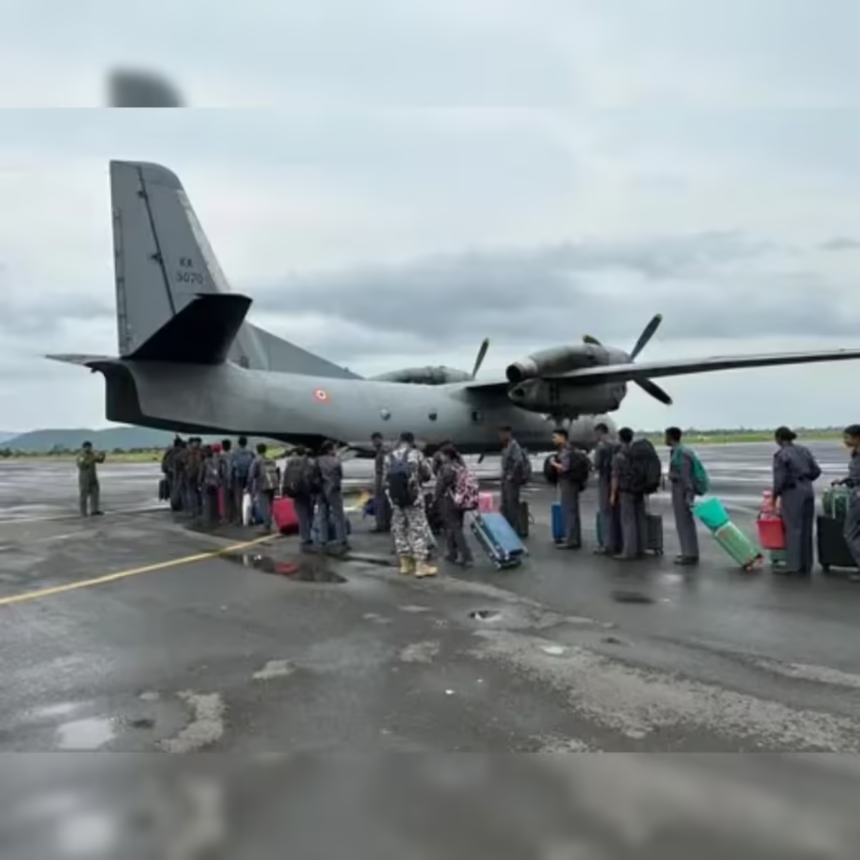
The IAF rescue NCC cadets operation highlights a swift humanitarian response after the Indian Air Force airlifted 132 stranded National Cadet Corps cadets from Manipur to Assam. The IAF rescue NCC cadets mission was carried out due to extensive road blockades in the region, which disrupted normal transport connectivity. Additionally, the evacuation ensured the safe movement of cadets caught in affected areas. Meanwhile, authorities coordinated closely to manage logistics and security during the airlift operation.
Anti-smuggling forest enforcement Tripura arms procurement
Heavy rainfall alert IMD Tripura weather warning
Emergency Airlift Operation in Manipur
The IAF rescue NCC cadets operation was launched after road blockades severely restricted movement across parts of Manipur. The IAF rescue NCC cadets mission involved transporting 132 cadets safely to Assam using Indian Air Force aircraft. Additionally, the operation was executed under challenging conditions, reflecting rapid response capabilities. Furthermore, coordination between civil administration and defence authorities ensured smooth evacuation. Consequently, all stranded cadets were relocated without incident.
Role of Indian Air Force in Crisis Response
The IAF rescue NCC cadets operation demonstrates the Indian Air Force’s role in humanitarian assistance and disaster response. The IAF rescue NCC cadets mission was carried out with precision to ensure safety and efficiency. Additionally, air assets were deployed promptly to address the urgent situation. Meanwhile, ground coordination teams facilitated secure movement of cadets to designated locations. Moreover, the operation reflects the IAF’s readiness for non-combat emergency missions.
Impact of Road Blockades in Manipur
The IAF rescue NCC cadets operation was necessitated due to widespread road blockades affecting transportation in Manipur. The IAF rescue NCC cadets mission highlights how infrastructure disruptions can impact civilian and training activities. Additionally, the blockades restricted access to key routes connecting districts within the state. However, emergency airlift support helped overcome logistical challenges. Furthermore, such situations underline the importance of alternative transport mechanisms during crises.
Coordination Between Agencies
The NCC cadets operation involved close coordination between the Indian Air Force, local administration, and NCC authorities. The IAF rescue NCC cadets mission required efficient communication to identify stranded groups and arrange evacuation. Additionally, security arrangements were put in place to ensure safe boarding and landing procedures. Meanwhile, administrative support facilitated smooth transition from affected zones to safer areas. Moreover, inter-agency collaboration played a crucial role in successful execution.
Safety and Welfare of Cadets
The operation prioritized the safety and well-being of all 132 cadets involved. The IAF rescue NCC cadets mission ensured that medical and logistical support was available throughout the evacuation process. Additionally, cadets were transported under supervised conditions to avoid any risk. However, authorities continued monitoring post-evacuation welfare. Furthermore, the operation reinforced the importance of safeguarding youth in training environments during emergencies.
Conclusion
The NCC cadets operation reflects a successful and timely intervention by the Indian Air Force amid transport disruptions in Manipur. The IAF rescue NCC cadets mission ensured the safe evacuation of 132 cadets to Assam. Additionally, it highlights strong coordination between defence and civil agencies. As a result, the operation stands as an example of efficient crisis response and humanitarian assistance.
FAQs
1. What is IAF rescue NCC cadets operation?
It is an airlift mission by the Indian Air Force to evacuate stranded NCC cadets from Manipur.
2. How many cadets were rescued?
A total of 132 NCC cadets were airlifted.
3. Why was the operation needed?
It was needed due to road blockades disrupting transport in Manipur.
4. Where were the cadets taken?
They were airlifted from Manipur to Assam.
5. Who coordinated the operation?
The Indian Air Force coordinated with civil administration and NCC authorities.
6. What is the significance of IAF rescue NCC cadets mission?
It demonstrates rapid humanitarian response and crisis management capability of the IAF.