



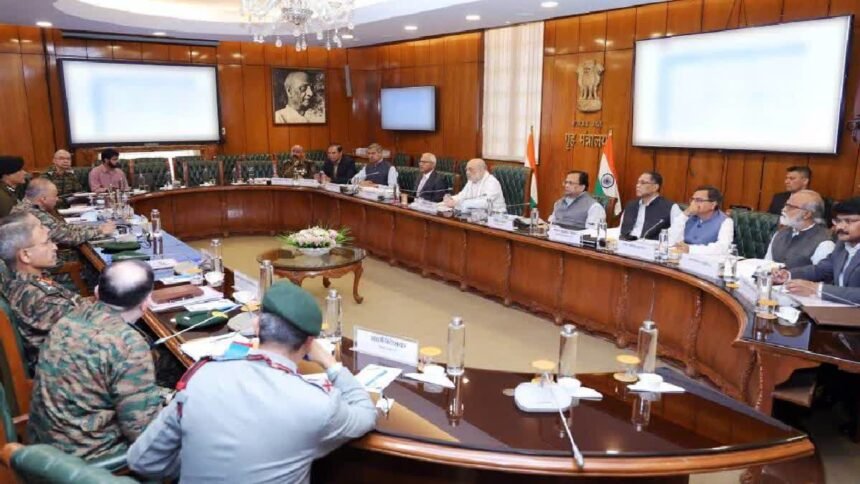
The Kuki separate administration demand has once again moved to the forefront of political discussions in Manipur as several active Kuki-Zo administrative organizations intensified pressure on the Central Government for a permanent political solution. The groups have reiterated their long-standing position that a separate administrative arrangement is necessary to address the concerns and aspirations of the Kuki-Zo community. Their renewed appeal comes amid ongoing efforts by authorities to restore stability in the conflict-affected state. Community leaders argue that a durable settlement can only emerge through meaningful political dialogue and institutional safeguards that ensure security, representation, and governance for the affected population.
West Tripura MGNREGA Employment Achievement
Tripura FRA Digital Atlas Inaugurated
Kuki-Zo Organizations Renew Political Appeal
Several Kuki-Zo administrative and civil organizations have reaffirmed their commitment to seeking a separate administrative structure as part of a broader political settlement. Representatives of these groups maintain that the demand reflects years of grievances related to governance, security, and community welfare. They contend that existing administrative arrangements have failed to adequately address the challenges faced by Kuki-Zo populations in various districts of Manipur.
Leaders emphasized that their position remains unchanged despite ongoing discussions involving different stakeholders. According to community representatives, the objective is to secure a constitutional and political framework that can provide long-term stability. The organizations stated that the Kuki separate administration demand continues to enjoy widespread support among members of the community who view it as an essential step toward lasting peace and development.
Demand Linked To Long-Term Political Solution
Kuki-Zo organizations argue that any sustainable resolution to the prolonged ethnic tensions in Manipur must include a clear political roadmap. They believe that temporary security measures alone cannot address the underlying causes of unrest. Consequently, community leaders have urged the Central Government to engage directly with their representatives and examine proposals aimed at creating a permanent administrative mechanism.
The groups have consistently maintained that meaningful political dialogue is necessary to bridge differences and prevent future conflict. Furthermore, they argue that institutional arrangements tailored to local realities could strengthen governance and improve public confidence. During recent interactions with stakeholders, representatives reiterated that the Kuki separate administration demand is being pursued through democratic and constitutional means rather than through confrontation.
Central Government Urged To Accelerate Discussions
The renewed appeal places additional attention on the role of the Central Government in facilitating negotiations among various communities and organizations. Kuki-Zo leaders have called on New Delhi to accelerate consultations and provide a clear framework for discussing political proposals. They believe that timely engagement could help reduce uncertainty and encourage constructive dialogue.
At the same time, government authorities continue to focus on restoring normalcy and maintaining law and order in affected regions. Officials have repeatedly emphasized the importance of peace-building measures and community reconciliation. However, Kuki organizations maintain that broader political issues must also be addressed. As a result, the Kuki separate administration demand remains a central topic in discussions concerning the future governance structure of the region.
Broader Implications For Manipur Politics
The continuing debate over administrative arrangements carries significant implications for Manipur’s political landscape. Different communities within the state have expressed varying perspectives on governance, territorial integrity, and political representation. Consequently, any proposal related to administrative restructuring is likely to attract extensive public and political scrutiny.
Analysts note that the issue extends beyond immediate security concerns and touches on questions of identity, autonomy, and constitutional governance. Therefore, policymakers face the challenge of balancing competing interests while working toward a peaceful resolution. Community leaders argue that transparent dialogue and inclusive consultations will be essential for achieving consensus. Within this broader context, the Kuki separate administration demand has become a defining issue in discussions about the state’s future political framework.
Community Leaders Stress Constitutional Approach
Kuki-Zo organizations have repeatedly stated that their efforts are being pursued within the framework of democratic institutions and constitutional processes. They have called for sustained engagement with policymakers and urged authorities to recognize the concerns raised by affected communities. Leaders argue that dialogue remains the most effective avenue for resolving complex political disputes.
In addition, community representatives have appealed for measures that promote trust and cooperation among different groups. They believe that inclusive discussions can create conditions for long-term peace while addressing issues related to governance and representation. Many organizations continue to emphasize that constructive engagement with the Central Government offers the best opportunity for reaching a mutually acceptable settlement.
Conclusion
The Kuki separate administration demand remains a significant political issue as Kuki-Zo organizations continue pressing the Central Government for a permanent solution. Community leaders argue that a dedicated administrative framework is necessary to address longstanding concerns and create conditions for lasting peace. While authorities focus on restoring stability and encouraging dialogue, the demand for political restructuring continues to shape conversations about Manipur’s future. The coming months are expected to be important as stakeholders seek pathways toward a comprehensive and sustainable resolution through constitutional and democratic means.
FAQs
Q1. What are Kuki-Zo organizations demanding?
They are seeking a separate administrative arrangement as part of a long-term political solution.
Q2. Why are these organizations approaching the Central Government?
They believe New Delhi plays a key role in facilitating discussions and implementing any future political framework.
Q3. What is the Kuki separate administration demand?
It is a proposal seeking a distinct administrative structure for Kuki-Zo communities within a constitutional framework.
Q4. Is the demand related to ongoing tensions in Manipur?
Yes, community leaders link the proposal to broader efforts aimed at achieving peace and stability.
Q5. How are the organizations pursuing their objective?
They are advocating through political dialogue, consultations, and constitutional processes.
Q6. What challenges could arise in implementing such a proposal?
Any administrative restructuring would require extensive discussions involving multiple stakeholders and communities.