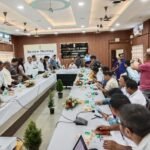




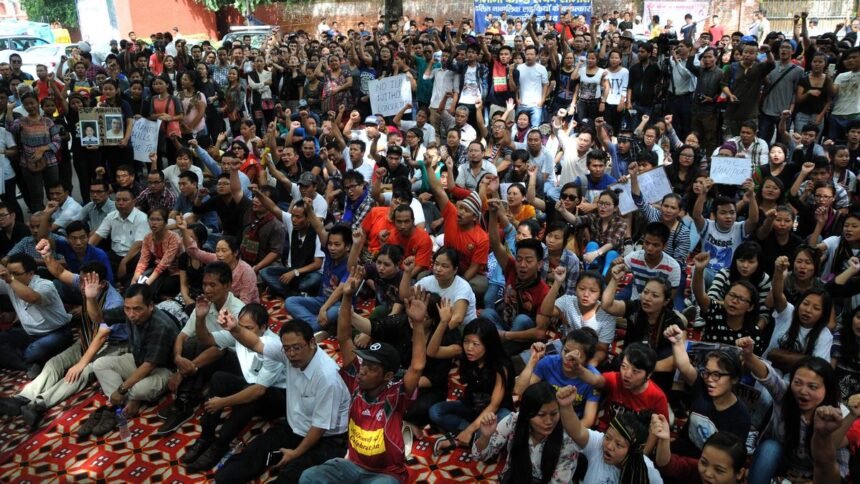
The Manipur ST scholarship reforms agenda gained momentum after newly appointed Chief Minister Yumnam Khemchand Singh held an interactive meeting with Scheduled Tribe (ST) students to discuss long-standing concerns regarding scholarship delays and financial assistance. The meeting provided a platform for students to directly share their experiences and challenges related to accessing educational support schemes. Government officials indicated that ensuring timely scholarship disbursement and strengthening transparency in the system would be key priorities of the administration. The initiative reflects a broader commitment to promoting inclusive education and supporting students from disadvantaged communities across the state.
Kuki Separate Administration Demand Gains Momentum
Manipur Violence Inquiry Commission Reviews Relief Camps
Chief Minister Engages Directly With ST Students
Chief Minister Yumnam Khemchand Singh convened an interactive session with Scheduled Tribe students to better understand the issues affecting scholarship distribution and educational welfare. During the discussion, students highlighted concerns about delays in receiving financial assistance, procedural bottlenecks, and the impact these setbacks have on their academic progress.
In response, the Chief Minister assured participants that the government would review existing mechanisms and address administrative challenges. Moreover, officials emphasized that direct engagement with beneficiaries plays a crucial role in improving policy implementation. As a result, the administration aims to identify practical solutions through continuous dialogue. As part of these efforts, the Manipur ST scholarship reforms initiative seeks to create a more responsive and efficient support system for students pursuing higher education.
Scholarship Delays Become Central Concern
One of the primary issues raised during the meeting involved recurring delays in scholarship payments. According to students, late disbursements often create financial difficulties by affecting tuition payments, accommodation expenses, and access to educational resources. Consequently, many families face additional pressure while supporting students through their academic journeys.
Recognizing these challenges, government representatives acknowledged the importance of timely financial assistance. Furthermore, they indicated that authorities would explore measures to streamline administrative procedures and reduce processing delays. Officials believe that faster disbursement can significantly improve educational outcomes and allow students to focus more effectively on their studies. Therefore, the Manipur ST scholarship reforms program prioritizes efficiency, transparency, and accountability in scholarship management.
Equitable Financial Disbursement Emphasized
The state government also reiterated its commitment to ensuring fairness and transparency in scholarship distribution. Officials noted that educational support schemes provide equal opportunities for students from marginalized communities and therefore require effective implementation.
During the interaction, officials focused on improving monitoring systems and strengthening coordination among departments responsible for scholarship administration. In addition, they discussed ways to enhance oversight and reduce administrative bottlenecks. Authorities stated that equitable distribution remains a key objective of government policy. Accordingly, the Manipur ST scholarship reforms framework aims to ensure that eligible students receive assistance without unnecessary obstacles or delays.
Inclusive Education Remains Government Priority
The meeting also highlighted the broader importance of inclusive educational development in Manipur. Access to quality education and financial assistance continues to play a critical role in improving opportunities for students from tribal communities. Furthermore, government officials stressed that scholarship programs serve as essential tools for promoting social equity and academic advancement.
The administration indicated that feedback from students will help shape future policy improvements. Additionally, officials expressed confidence that stronger support systems could increase educational participation and reduce financial barriers. As educational needs continue to evolve, the government plans to strengthen mechanisms that support student success. Therefore, the Manipur ST scholarship reforms initiative aligns closely with goals related to accessibility, transparency, and student welfare.
Strengthening Trust Through Student Engagement
Observers noted that direct interaction between government leaders and students can help build trust and improve policy implementation. At the same time, such engagements allow authorities to identify practical challenges while giving beneficiaries a meaningful voice in discussions affecting their education. Students who attended the meeting welcomed the opportunity to raise concerns directly with senior officials.
Looking ahead, the government intends to continue engaging with educational stakeholders to evaluate the effectiveness of existing welfare measures. Moreover, officials believe that sustained dialogue can contribute to more informed decision-making and better outcomes for students. As educational policies evolve, stakeholder participation will remain an important component of governance and reform efforts.
Conclusion
The Manipur ST scholarship reforms initiative reflects the state government’s determination to address scholarship delays and ensure equitable financial support for Scheduled Tribe students. Through direct engagement with beneficiaries, Chief Minister Yumnam Khemchand Singh has highlighted the importance of responsive governance and inclusive educational development. Furthermore, the discussions underscored the need for efficient scholarship administration, greater transparency, and stronger support mechanisms. Going forward, the government will focus on implementing practical improvements that can enhance scholarship delivery. As a result, students and educational stakeholders will closely monitor how these commitments translate into meaningful academic opportunities and long-term educational progress.
FAQs
Q1. Why did the Chief Minister meet ST students?
The meeting was organized to discuss scholarship-related concerns and gather feedback from students.
Q2. What issue was most frequently raised during the interaction?
Many students highlighted delays in receiving scholarship payments and financial assistance.
Q3. What are the Manipur ST scholarship reforms?
They are government efforts aimed at improving scholarship distribution, transparency, and financial support systems.
Q4. Why are scholarships important for ST students?
Scholarships help cover educational expenses and improve access to learning opportunities.
Q5. How does the government plan to address delays?
Officials have indicated that administrative processes will be reviewed to improve efficiency.
Q6. What broader objective does the initiative support?
The effort supports inclusive education and equitable access to academic opportunities for tribal communities.