




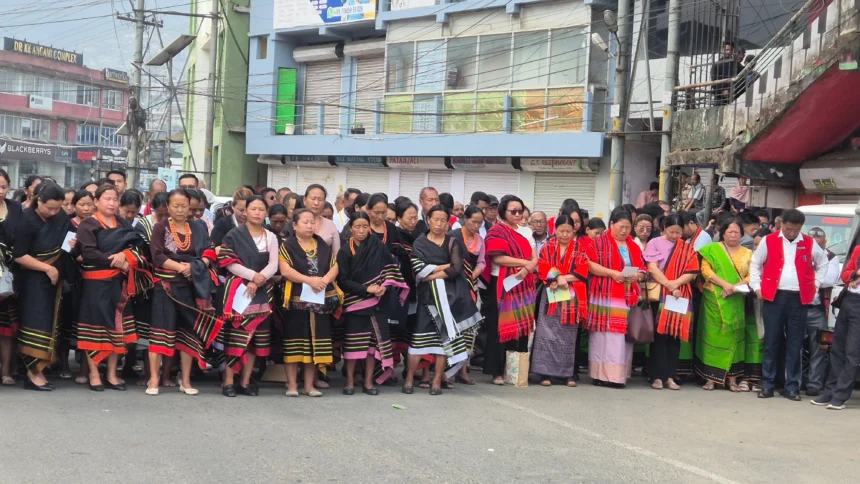
Residents of Longwa Village in Nagaland have intensified their opposition to the proposed border fencing along the India-Myanmar frontier, bringing renewed attention to the concerns of border communities. The Longwa Village Protest Against Border Fencing reflects tribal apprehensions over the potential impact on traditional movement, cultural ties, and livelihoods. Moreover, the protest has highlighted the complex balance between national security objectives and the interests of indigenous communities living along the international border.
CRPF Cobra Battalions Deployed in Manipur to Strengthen Anti-Insurgency Operations
Why Most Digital Marketing Courses Fall Short—and How The NexaLearn Is Changing the Game
Longwa Village Protest Against Border Fencing Highlights Tribal Concerns Over Border Communities
The Longwa Village Protest Against Border Fencing has emerged as a significant issue in Nagaland, with local tribal residents voicing concerns about the proposed fencing project. Furthermore, community members have argued that the border infrastructure could affect their long-standing social, cultural, and familial connections across the India-Myanmar border.
Longwa Village is known for its unique geographical location along the international boundary. Consequently, developments related to border management directly affect the daily lives of many residents. Authorities and local communities continue to monitor the situation as discussions progress.
Moreover, tribal organizations have emphasized the importance of protecting traditional rights while addressing national security priorities. Therefore, the protest has attracted attention from various stakeholders across the Northeast.
Additionally, the issue illustrates the broader challenges associated with border governance in regions where indigenous communities have historical cross-border ties. Thus, the developments have become an important topic of public discussion.
Border Fencing Initiative Aims to Strengthen National Security
The Longwa Village Protest Against Border Fencing comes as India continues efforts to strengthen security infrastructure along the Myanmar frontier. Furthermore, the border fencing project forms part of broader initiatives aimed at improving surveillance and preventing illegal cross-border activities.
Security agencies have emphasized the importance of modern border management in addressing challenges such as unauthorized crossings, smuggling, and other transnational crimes. Consequently, infrastructure development has become a key component of national security planning.
Moreover, improved border surveillance can enhance coordination among security forces operating in remote areas. Therefore, authorities have continued to prioritize infrastructure upgrades in strategically significant locations.
Similarly, technological improvements and enhanced monitoring systems complement physical border infrastructure. Additionally, coordinated security measures seek to improve operational efficiency while maintaining stability along the frontier.
Tribal Leaders Raise Concerns Over Traditional Rights
A central issue in the Longwa Village Protest Against Border Fencing involves concerns regarding traditional movement and community relationships that have existed for generations. Furthermore, tribal representatives have expressed apprehension that fencing could affect customary interactions between communities residing on both sides of the border.
Border communities often share deep historical, cultural, and ethnic connections that predate the establishment of international boundaries. Consequently, local residents have called for careful consideration of these realities during policy implementation.
Moreover, tribal leaders have emphasized the need for dialogue between government authorities and affected communities. Therefore, they continue to advocate for solutions that take both security and local interests into account.
Similarly, public consultations are frequently viewed as important mechanisms for addressing concerns related to infrastructure development. Additionally, constructive engagement can contribute to mutually acceptable outcomes.
Longwa Village Protest Against Border Fencing Reflects Broader Northeast Challenges
The Longwa Village Protest Against Border Fencing also highlights wider issues concerning border administration in India’s northeastern states. Furthermore, several communities across the region maintain historical and cultural links that extend beyond present-day international borders.
Balancing national security with the interests of indigenous populations remains a complex policy challenge. Consequently, governments often seek approaches that strengthen border management while recognizing local realities.
Moreover, infrastructure projects in border areas frequently require coordination among multiple government agencies and local stakeholders. Therefore, continuous dialogue plays an important role in ensuring effective implementation.
Similarly, stable border regions contribute to long-term security and regional development. Additionally, cooperation between authorities and local communities can strengthen trust and improve policy outcomes. Thus, the developments in Longwa have become part of a broader conversation about border governance in the Northeast.
Conclusion
The Longwa Village Protest Against Border Fencing has brought renewed attention to the concerns of tribal communities living along the India-Myanmar border in Nagaland. Moreover, the protests highlight the importance of considering traditional social and cultural ties alongside national security objectives.
Furthermore, the proposed border fencing remains a significant component of India’s efforts to strengthen border management and improve surveillance along the international frontier. Consequently, discussions surrounding the project continue to focus on balancing security priorities with the interests of local communities.
Looking ahead, continued dialogue between government authorities and tribal representatives will remain important in addressing concerns related to the Longwa Village Protest Against Border Fencing. Therefore, the developments underscore the need for inclusive decision-making while pursuing long-term security and regional stability.
FAQs
1. What is the Longwa Village Protest Against Border Fencing about?
The protest involves opposition from residents of Longwa Village in Nagaland who have raised concerns about the proposed border fencing along the India-Myanmar frontier.
2. Why are Longwa villagers opposing the border fencing?
Residents have expressed concerns that the fencing could affect traditional movement, cultural ties, and long-standing community relationships across the border.
3. Why is India constructing border fencing along the Myanmar frontier?
The border fencing initiative aims to strengthen national security, improve surveillance, and help prevent illegal cross-border activities.
4. Where is Longwa Village located?
Longwa Village is located in Nagaland along the India-Myanmar international border and is known for its unique cross-border geographical setting.
5. Why is the Longwa Village Protest Against Border Fencing significant?
The protest highlights the broader challenge of balancing national security objectives with the traditional rights and cultural interests of indigenous border communities.