



The Bnei Menashe Relocation Israel process has started as nearly 240 members of the community from Northeast India began moving to Israel. Authorities confirmed that additional flights are scheduled in the coming weeks. The relocation marks another major chapter in the long-standing connection between the Bnei Menashe community and Israel while drawing attention to the unique cultural history of the group.
TPSC Answer Key Controversy Sparks Candidate Outrage
Bnei Menashe Community Begins Relocation Journey
Around 240 members of the Bnei Menashe community from Northeast India have officially started relocating to Israel. The movement involves families and individuals from states such as Manipur and Mizoram, where the community has lived for generations.
Officials confirmed that more relocation flights may follow soon as authorities continue processing applications and travel arrangements. The latest group represents one of the largest recent relocation batches connected to the community.
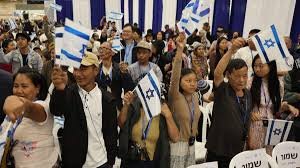
Many families described the journey as deeply emotional because they have waited years for the opportunity to move. As a result, airports and departure points witnessed scenes of celebration, prayer, and farewell gatherings before the flights departed.
Urgent Red Alert Severe Storms Impact West Tripura and Khowai
Who Are the Bnei Menashe?
The Bnei Menashe community traces its ancestry to one of the lost tribes of Israel according to their traditional beliefs and historical narratives. Over several decades, many members embraced Jewish customs, religious practices, and Hebrew traditions.
The community mainly resides in parts of Manipur and Mizoram in Northeast India. Despite living far from the Middle East, many families maintained strong cultural and spiritual connections with Jewish identity.
Several organizations and religious authorities in Israel have supported the relocation of Bnei Menashe members over the years. Consequently, thousands from the community have already settled in different parts of Israel during previous migration phases.
Relocation Process Continues in Phases
The current relocation effort forms part of an ongoing process rather than a single event. Authorities and supporting organizations continue to coordinate documentation, travel permissions, housing arrangements, and integration support for relocating families.
Because international relocation involves legal and administrative procedures, the movement usually happens in stages. Therefore, additional groups may travel in upcoming months depending on approvals and logistical planning.
Community leaders stated that many families waited patiently for years to complete the process. Some applicants faced delays because of documentation requirements, global travel restrictions, and administrative reviews. Nevertheless, the latest relocation has renewed optimism among remaining families.
Emotional Farewells Mark Departure
The departure created emotional moments for families and local communities across Northeast India. Relatives, friends, and supporters gathered to offer blessings and farewell wishes before the travelers boarded flights.
For many people, the relocation represents both hope and sacrifice. While families look forward to new opportunities and spiritual fulfillment in Israel, they also leave behind relatives, hometowns, and familiar surroundings.
Community members shared mixed emotions during interviews and public interactions. Some expressed excitement about beginning a new chapter, while others spoke about the sadness of leaving their homeland. Consequently, the relocation carries deep personal significance beyond migration alone.
Israel Continues Supporting Community Integration
Israeli authorities and supporting organizations continue working on settlement and integration programs for the arriving families. These efforts usually include language training, housing support, education access, and cultural orientation.
Many relocated Bnei Menashe members eventually join communities across various Israeli cities and towns. Some families also reunite with relatives who migrated during earlier phases.
Integration can present challenges because relocating families adapt to a new language, culture, and social environment. However, support programs aim to ease the transition and help newcomers settle successfully.
Several community representatives in Israel welcomed the new arrivals warmly and described the relocation as a continuation of historical and spiritual reconnection.
Northeast India Shares Unique Cultural Connections
The story of the Bnei Menashe highlights the cultural diversity and historical complexity of Northeast India. The region contains many indigenous communities with unique traditions, languages, and historical identities.
Over the years, the Bnei Menashe gained international attention because of their distinct religious practices and migration journey. Researchers, historians, and religious scholars have studied the community extensively to understand its origins and traditions.
The relocation also reflects the growing global visibility of Northeast Indian communities. As more international discussions focus on the region, cultural stories from the Northeast continue reaching wider audiences.
Community Organizations Played Key Role
Several organizations helped coordinate the relocation process by assisting with legal procedures, travel planning, and settlement arrangements. Religious and humanitarian groups also supported families emotionally and financially throughout the journey.
Community leaders thanked volunteers and supporters who worked for years to help families complete the migration process. Furthermore, they emphasized the importance of preserving cultural identity during relocation and integration.
Support networks remain essential because many relocating families face emotional and financial uncertainty during major life transitions. Therefore, community-based assistance continues playing an important role.
Migration Raises Broader Social Discussions
The relocation has also sparked discussions about identity, migration, and cultural belonging. Some observers view the journey primarily through a religious lens, while others focus on historical migration patterns and community rights.
Experts noted that migration experiences often involve both opportunity and adaptation challenges. Families relocating internationally must adjust to new laws, education systems, workplaces, and social customs. Consequently, long-term integration requires patience and strong community support.
At the same time, many people admire the determination shown by families who preserved their traditions across generations while pursuing relocation opportunities.
Future Relocation Flights Expected Soon
Officials confirmed that additional relocation flights are likely in the near future. More applicants from Northeast India continue waiting for approval and travel arrangements as the process moves forward gradually.
Community representatives remain hopeful that authorities will continue supporting family reunification and migration requests efficiently. Furthermore, many families expect smoother procedures as coordination improves between organizations and government agencies.
The ongoing relocation effort demonstrates the enduring connection between the Bnei Menashe community and Israel. As more families prepare for the journey, the migration story continues evolving with each new departure.
FAQs
Who are the Bnei Menashe?
The Bnei Menashe are a community from Northeast India who believe they descend from one of the lost tribes of Israel.
Where do most Bnei Menashe families live in India?
Most members of the community live in Manipur and Mizoram.
How many people recently relocated to Israel?
Around 240 members of the community recently began relocating to Israel.
Why is the relocation significant?
The relocation reflects the community’s long-standing spiritual and cultural connection with Israel.
Will more relocation flights happen?
Yes, officials confirmed that additional flights are expected in the coming weeks or months.